中文English
ISSN 1001-5256 (Print)
ISSN 2097-3497 (Online)
CN 22-1108/R
Volume 42 Issue 8
Aug.  2026
Turn off MathJax
Article Contents

Risk factors for post-acute pancreatitis diabetes mellitus and construction of a nomogram prediction model

DOI: 10.12449/JCH260824
Research funding:

Xuzhou City Science and Technology Project (KC21216)

More Information
  • Corresponding author: Wang Chao, 13913452655@163.com (ORCID: 0009-0002-6481-2270)
  • Received Date: 2026-01-26
  • Accepted Date: 2026-03-24
  • Published Date: 2026-08-25
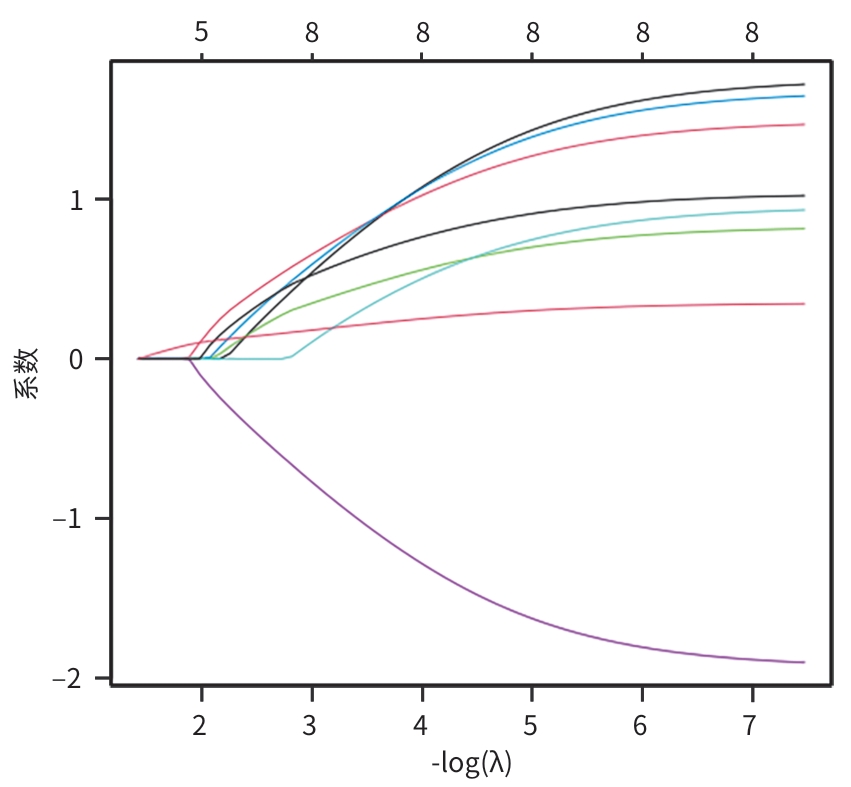
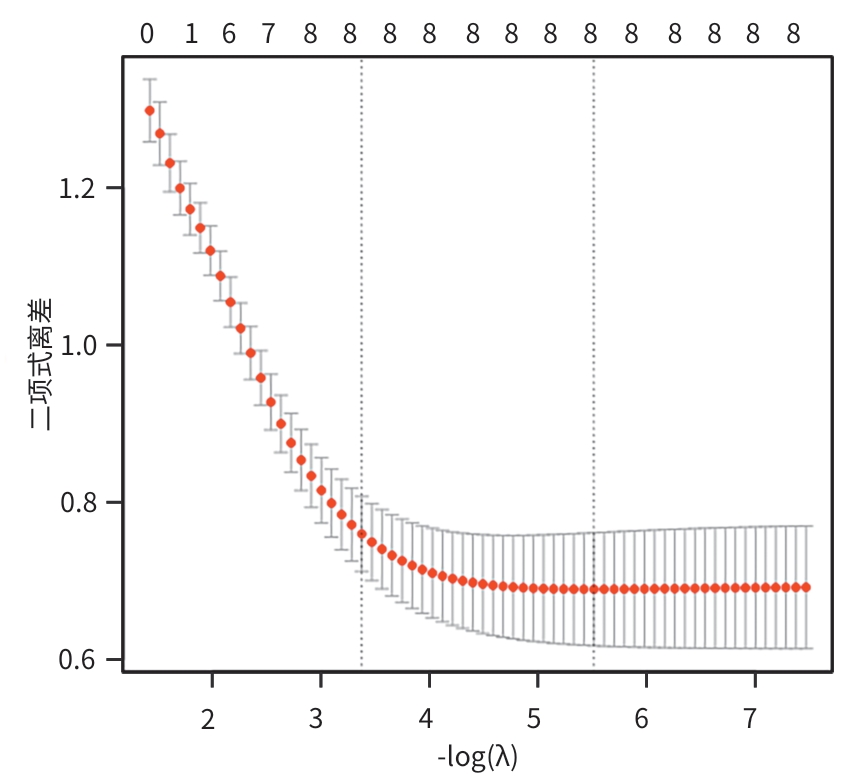
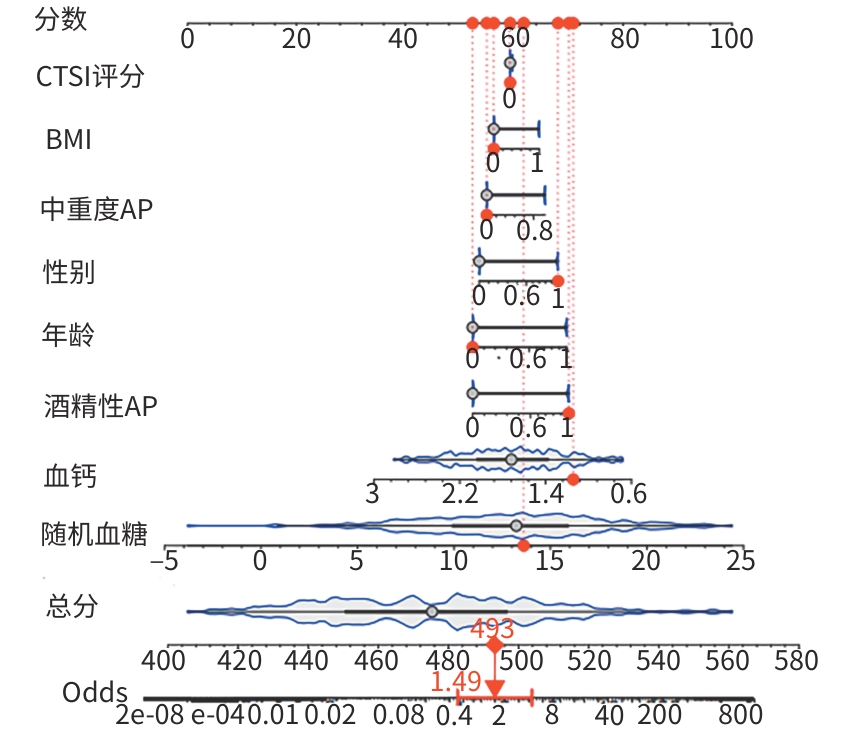
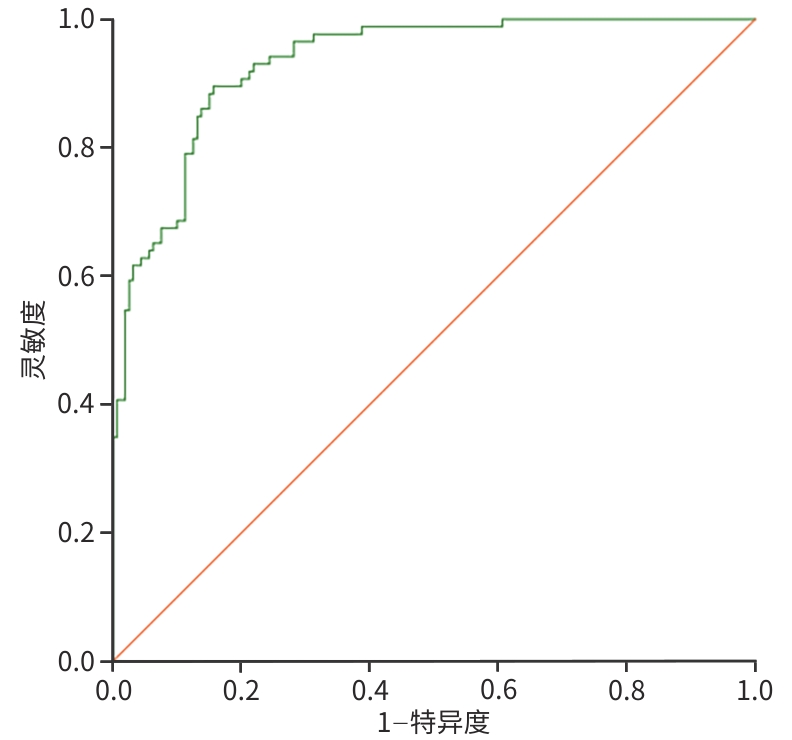
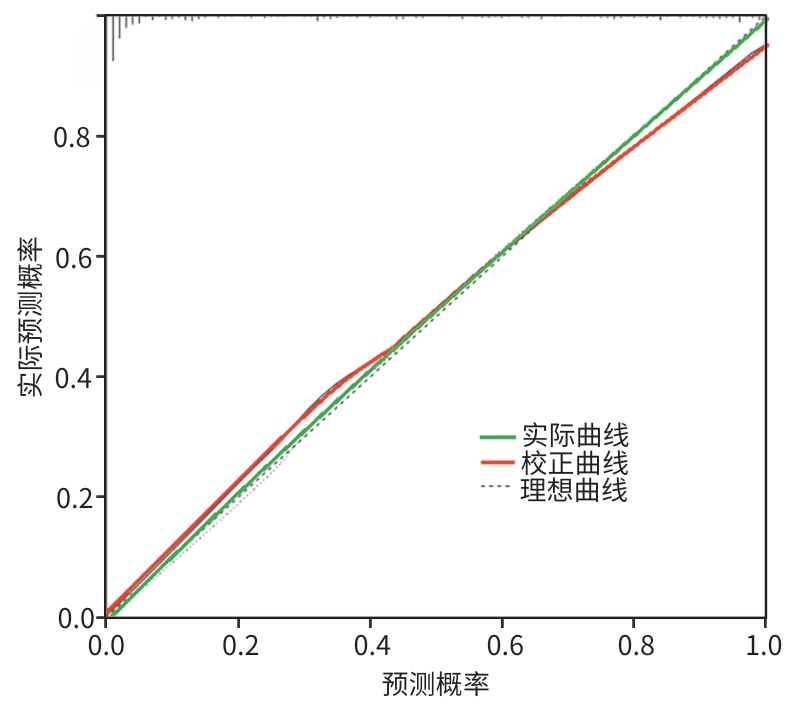
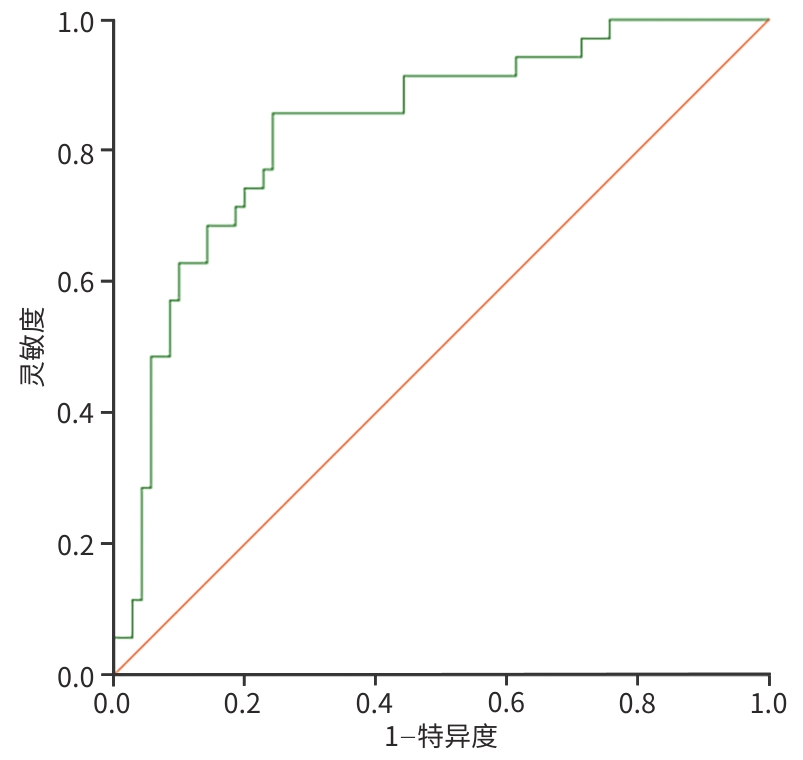
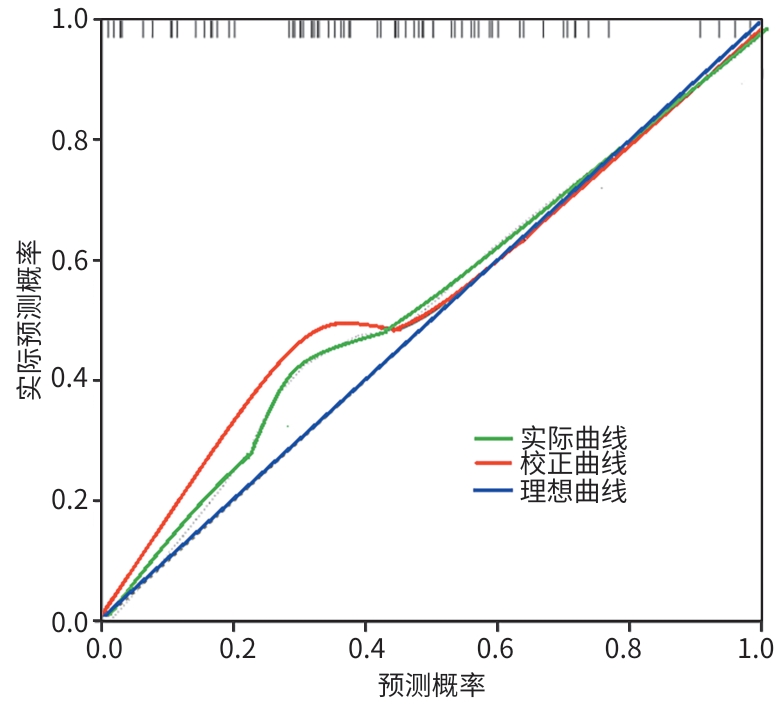
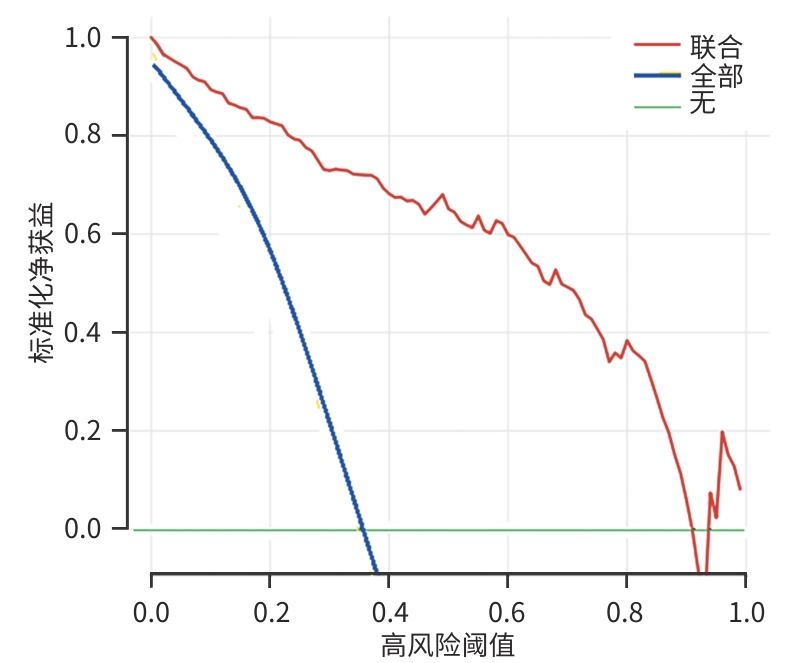
  •   Objective  To investigate the risk factors for post-acute pancreatitis diabetes mellitus (PPDM-A) in patients with acute pancreatitis (AP), to construct a nomogram prediction model, and to provide a reference for the development of individualized treatment regimens.  Methods  A total of 351 patients with AP who were admitted to Xuzhou Municipal Hospital Affiliated to Xuzhou Medical University from June 2021 to January 2025 were prospectively enrolled, and they were randomly divided into modeling group with 246 patients and validation group with 105 patients at a ratio of 7∶3. According to the presence or absence of PPDM-A in the patients with AP, the modeling group was further divided into PPDM-A group with 86 patients and non-PPDM-A group with 160 patients. Clinical data were collected from all patients. The least absolute shrinkage and selection operator (LASSO) regression analysis was used to determine independent variables, and a Logistic regression analysis was used to investigate the influencing factors for PPDM-A. R software was used to construct a nomogram model. The receiver operating characteristic curve was used to assess the discriminatory ability of the model, and the Hosmer-Lemeshow test was used to test the model fitting degree, and the calibration curve was used to evaluate the model consistency; and decision curve analysis (DCA) was used to assess its clinical application value. The independent-samples t test was used for comparison of continuous data between two groups, and the chi-square test was used for comparison of categorical data between two groups.  Results  Among the 246 patients, 86 developed PPDM-A, resulting in an incidence rate of 34.96%. There were significant differences between the PPDM-A group and the non-PPDM-A group in the proportion of patients with an age of ≥60 years (65.12% vs 40.62%, P<0.05), male sex (75.58% vs 55.63%, P<0.05), a body mass index (BMI) of ≥24 kg/m2 (63.95% vs 37.50%, P<0.05), alcoholic AP (56.98% vs 36.87%, P<0.05), moderate-to-severe AP (54.65% vs 35.00%, P<0.05), or a computed tomography severity index (CTSI) score of ≥4 points (48.84% vs 28.75%, P<0.05), as well as significant differences in the levels of blood calcium (1.46±0.35 mmol/L vs 1.89±0.37 mmol/L, P<0.05) and random blood glucose (Glu) (17.68±4.12 mmol/L vs 11.68±4.27 mmol/L, P<0.05). The LASSO regression analysis obtained 8 independent variables. The Logistic regression analysis showed that age, sex, BMI, alcoholic AP, moderate-to-severe AP, CTSI score, and Glu were risk factors for PPDM-A (all P<0.05), while blood calcium was a protective factor (P<0.05). The model had an area under the ROC curve (AUC) of 0.932 (95% confidence interval [CI]: 0.903 — 0.962) in the modeling group, and the Hosmer-Lemeshow goodness-of-fit test yielded χ2=7.346 (P=0.728), the accuracy of model fitting was good; the calibration curve showed that the predicted probability was consistent with the actual probability, indicating that the consistency was good. The model had an AUC of 0.835 (95%CI: 0.753 — 0.917) in the validation group, and the Hosmer-Lemeshow goodness-of-fit test yielded χ2=7.014 (P=0.711), the accuracy of model fitting was good; the calibration curve showed that the predicted probability was consistent with the actual probability, indicating that the consistency was good. The DCA results of the modeling group showed that the model exhibited a high clinical value in evaluating PPDM-A when the threshold probability was 0.13 — 0.94.  Conclusion  Age, sex, BMI, alcoholic AP, moderate-to-severe AP, blood calcium, CTSI score, and Glu are influencing factors for PPDM-A. The nomogram model constructed based on the above influencing factors shows good performance in predicting the risk of PPDM-A and can thus provide a reference for developing prevention strategies for PPDM-A in clinical practice.


  • loading
  • [1]
    Xia Jun, Sun Liang, Wang Jun, et al. Value of C-reactive protein-albumin-lymphocyte index, C-reactive protein-to-lymphocyte ratio, and C-reactive protein-to-serum calcium ratio in evaluating the severity and prognosis of patients with acute pancreatitis[J]. J Clin Hepatol, 2025, 41( 12): 2597- 2606. DOI: 10.12449/JCH251222.

    夏军, 孙亮, 王军, 等. C反应蛋白-白蛋白-淋巴细胞指数、C反应蛋白与淋巴细胞比值和C反应蛋白与血清钙比值对急性胰腺炎患者病情程度及预后的评估价值[J]. 临床肝胆病杂志, 2025, 41( 12): 2597- 2606. DOI: 10.12449/JCH251222.
    [2]
    Yang Tao, Zhu Guangwen. The relationship between serum FABP4, miR-369-5p expressions and disease severity in patients with acute pancreatitis[J]. Labeled Immunoass Clin Med, 2021, 28( 2): 256- 261. DOI: 10.11748/bjmy.issn.1006-1703.2021.02.019.

    杨涛, 朱光文. 急性胰腺炎患者血清FABP4、miR-369-5p表达与疾病严重程度的关系[J]. 标记免疫分析与临床, 2021, 28( 2): 256- 261. DOI: 10.11748/bjmy.issn.1006-1703.2021.02.019.
    [3]
    Liu Hui, Li Xianqiu, Luo Gang, et al. Risk factors for new-onset diabetes after incipient acute pancreatitis[J]. J Clin Hepatol, 2020, 36( 12): 2771- 2776. DOI: 10.3969/j.issn.1001-5256.2020.12.026.

    刘慧, 李贤秋, 罗刚, 等. 初发急性胰腺炎后新发糖尿病的危险因素评估[J]. 临床肝胆病杂志, 2020, 36( 12): 2771- 2776. DOI: 10.3969/j.issn.1001-5256.2020.12.026.
    [4]
    Zhang J, Lv Y Q, Hou J Y, et al. Machine learning for post-acute pancreatitis diabetes mellitus prediction and personalized treatment recommendations[J]. Sci Rep, 2023, 13( 1): 4857. DOI: 10.1038/s41598-023-31947-4.
    [5]
    Hu R, Yang H, Zeng G F, et al. A radiomics model of contrast-enhanced computed tomography for predicting post-acute pancreatitis diabetes mellitus[J]. Quant Imaging Med Surg, 2024, 14( 3): 2267- 2279. DOI: 10.21037/qims-23-1232.
    [6]
    Pancreatic Disease Group, Digestive Disease Brunch, Chinese Medical Association; Editorial Board for Chinese Journal of Pancreatology; Editorial Board for Chinese Journal of Digestion. Guidelines for the diagnosis and treatment of acute pancreatitis in China(2019 Shenyang)[J]. Chin J Dig, 2019, 39( 11): 721- 730. DOI: 10.3760/cma.j.issn.0254-1432.2019.11.001.

    中华医学会消化病学分会胰腺疾病学组, 中华胰腺病杂志编辑委员会, 中华消化杂志编辑委员会. 中国急性胰腺炎诊治指南(2019年, 沈阳)[J]. 中华消化杂志, 2019, 39( 11): 721- 730. DOI: 10.3760/cma.j.issn.0254-1432.2019.11.001.
    [7]
    American Diabetes Association. 2. Classification and diagnosis of diabetes: Standards of medical care in diabetes-2019[J]. Diabetes Care, 2019, 42( Suppl 1): S13- S28. DOI: 10.2337/dc19-S002.
    [8]
    Noda Y, Goshima S, Fujimoto K, et al. Utility of the portal venous phase for diagnosing pancreatic necrosis in acute pancreatitis using the CT severity index[J]. Abdom Radiol, 2018, 43( 11): 3035- 3042. DOI: 10.1007/s00261-018-1579-z.
    [9]
    Xu Xin, Chen Zhangxing. Correlation of the serum levels of adiponectin, omentin, and visfatin with the severity of acute pancreatitis[J]. J Clin Hepatol, 2024, 40( 9): 1848- 1852. DOI: 10.12449/JCH240920.

    许新, 陈章兴. 血清脂联素、网膜素及内脂素水平与急性胰腺炎严重程度的相关性分析[J]. 临床肝胆病杂志, 2024, 40( 9): 1848- 1852. DOI: 10.12449/JCH240920.
    [10]
    Huang Bohan, Cao Feng, Ding Yixuan, et al. Analysis of influencing factors for splenomegaly secondary to acute pancreatitis and construc-tion of nomogram prediction model[J]. Chin J Dig Surg, 2024, 23( 5): 712- 719. DOI: 10.3760/cma.j.cn115610-20240221-00121.

    黄铂涵, 曹锋, 丁乙轩, 等. 急性胰腺炎继发脾大的影响因素分析及列线图预测模型构建[J]. 中华消化外科杂志, 2024, 23( 5): 712- 719. DOI: 10.3760/cma.j.cn115610-20240221-00121.
    [11]
    Tian Y, Huang Q, Ren Y T, et al. Visceral adipose tissue predicts severity and prognosis of acute pancreatitis in obese patients[J]. Hepatobiliary Pancreat Dis Int, 2024, 23( 5): 458- 462. DOI: 10.1016/j.hbpd.2023.08.014.
    [12]
    García-Compeán D, Jiménez-Rodríguez A R, Muñoz-Ayala J M, et al. Post-acute pancreatitis diabetes: A complication waiting for more recognition and understanding[J]. World J Gastroenterol, 2023, 29( 28): 4405- 4415. DOI: 10.3748/wjg.v29.i28.4405.
    [13]
    Jiang Mingfei, Hu Tangbin, Zuo Siyuan, et al. Risk factors for new-onset diabetes after incipient acute pancreatitis[J]. J Mudanjiang Med Univ, 2022, 43( 1): 44- 46, 50. DOI: 10.13799/j.cnki.mdjyxyxb.2022.01.010.

    江明菲, 胡唐彬, 左思源, 等. 初发急性胰腺炎后新发糖尿病的危险因素评估[J]. 牡丹江医学院学报, 2022, 43( 1): 44- 46, 50. DOI: 10.13799/j.cnki.mdjyxyxb.2022.01.010.
    [14]
    Ning C H, Ouyang H, Shen D C, et al. Prediction of survival in patients with infected pancreatic necrosis: A prospective cohort study[J]. Int J Surg, 2024, 110( 2): 777- 787. DOI: 10.1097/JS9.0000000000000844.
    [15]
    Li Zan, Liu Xiyang, He Zhuojia, et al. A survey study on the disease burden of diabetes in China from 1999 to 2019[J]. Med J Chin People’s Liberation Army, 2024, 49( 7): 776- 782. DOI: 10.11855/j.issn.0577-7402.0602.2024.0516.

    李赞, 刘喜洋, 贺卓佳, 等. 1999—2019年中国糖尿病疾病负担的调查研究[J]. 解放军医学杂志, 2024, 49( 7): 776- 782. DOI: 10.11855/j.issn.0577-7402.0602.2024.0516.
    [16]
    Yang Yulu, Li Mingxuan, Wang Zhongqiong. Risk factors and predictive models of diabetes mellitus after severe acute pancreatitis[J]. J Chengdu Med Coll, 2020, 15( 2): 232- 237. DOI: 10.3969/j.issn.1674-2257.2020.02.023.

    杨雨露, 李明轩, 王忠琼. 重症胰腺炎后并发糖尿病的相关危险因素及预测模型[J]. 成都医学院学报, 2020, 15( 2): 232- 237. DOI: 10.3969/j.issn.1674-2257.2020.02.023.
    [17]
    Luo Y X, Liu Z R, Luo J W, et al. BMI trajectories in late middle age, genetic risk, and incident diabetes in older adults: Evidence from a 26-year longitudinal study[J]. Am J Epidemiol, 2024, 193( 5): 685- 694. DOI: 10.1093/aje/kwad080.
    [18]
    Liang Yizhong, Zhang Weiqing, Guo Shaoju, et al. Risk factors for new onset type 2 diabetes after acute and chronic pancreatitis: A Meta-analysis[J]. Chin J Clin Res, 2021, 34( 3): 314- 318. DOI: 10.13429/j.cnki.cjcr.2021.03.006.

    梁艺钟, 张维晴, 郭绍举, 等. 急慢性胰腺炎后新发2型糖尿病的危险因素Meta分析[J]. 中国临床研究, 2021, 34( 3): 314- 318. DOI: 10.13429/j.cnki.cjcr.2021.03.006.
    [19]
    Li Bingqing, Zhang Qi, Mao Tao, et al. Meta-analysis of the prevalence and risk factors of new diabetes after chronic pancreatitis[J]. Chin J Pancreatol, 2023, 23( 5): 335- 341. DOI: 10.3760/cma.j.cn115667-20230225-00026.

    李冰清, 张琪, 毛涛, 等. 慢性胰腺炎后新发糖尿病的患病率及危险因素的荟萃分析[J]. 中华胰腺病杂志, 2023, 23( 5): 335- 341. DOI: 10.3760/cma.j.cn115667-20230225-00026.
    [20]
    Wang H L, Gao J H, Wen L L, et al. Ion channels in acinar cells in acute pancreatitis: Crosstalk of calcium, iron, and copper signals[J]. Front Immunol, 2024, 15: 1444272. DOI: 10.3389/fimmu.2024.1444272.
    [21]
    Uludağ S S, Güreş N, Şirolu S, et al. Investigating the correlation between severe acute pancreatitis and pancreatic necrosis with some serum parameters[J]. Ulus Travma Acil Cerrahi Derg, 2022, 28( 11): 1609- 1615. DOI: 10.14744/tjtes.2021.96782.
    [22]
    Zhong S T, Du Q L, Liu N, et al. Developing a CT-based radiomics nomogram for predicting post-acute pancreatitis diabetes mellitus incidence[J]. Br J Radiol, 2023, 96( 1152): 20230382. DOI: 10.1259/bjr.20230382.
  • 加载中

Catalog

    通讯作者: 陈斌, bchen63@163.com
    • 1. 

      沈阳化工大学材料科学与工程学院 沈阳 110142

    1. 本站搜索
    2. 百度学术搜索
    3. 万方数据库搜索
    4. CNKI搜索

    Figures(8)  / Tables(4)

    Article Metrics

    Article views (9) PDF downloads(2) Cited by()
    Proportional views
    Related

    /

    DownLoad:  Full-Size Img  PowerPoint
    Return
    Return