| [1] |
BRAY F, LAVERSANNE M, SUNG H, et al. Global cancer statistics 2022: GLOBOCAN estimates of incidence and mortality worldwide for 36 cancers in 185 countries[J]. CA Cancer J Clin, 2024, 74( 3): 229- 263. DOI: 10.3322/caac.21834. |
| [2] |
BROWN JC, MEYERHARDT JA. Obesity and energy balance in GI cancer[J]. J Clin Oncol, 2016, 34( 35): 4217- 4224. DOI: 10.1200/JCO.2016.66.8699. |
| [3] |
BRITTON KA, MASSARO JM, MURABITO JM, et al. Body fat distribution, incident cardiovascular disease, cancer, and all-cause mortality[J]. J Am Coll Cardiol, 2013, 62( 10): 921- 925. DOI: 10.1016/j.jacc.2013.06.027. |
| [4] |
MURPHY RA, BUREYKO TF, MILJKOVIC I, et al. Association of total adiposity and computed tomographic measures of regional adiposity with incident cancer risk: A prospective population-based study of older adults[J]. Appl Physiol Nutr Metab, 2014, 39( 6): 687- 692. DOI: 10.1139/apnm-2013-0360. |
| [5] |
AMATO MC, GIORDANO C, GALIA M, et al. Visceral adiposity index: A reliable indicator of visceral fat function associated with cardiometabolic risk[J]. Diabetes Care, 2010, 33( 4): 920- 922. DOI: 10.2337/dc09-1825. |
| [6] |
ANOOP S, KRAKAUER J, KRAKAUER N, et al. A body shape index significantly predicts MRI-defined abdominal adipose tissue depots in non-obese Asian Indians with type 2 diabetes mellitus[J]. BMJ Open Diabetes Res Care, 2020, 8( 1): e001324. DOI: 10.1136/bmjdrc-2020-001324. |
| [7] |
WANG YY, ZHAO XD, CHEN Y, et al. Visceral adiposity measures are strongly associated with cardiovascular disease among female participants in Southwest China: A population-based prospective study[J]. Front Endocrinol(Lausanne), 2022, 13: 969753. DOI: 10.3389/fendo.2022.969753. |
| [8] |
WU XY, WANG CQ, LV DL, et al. Associations between Chinese visceral adiposity index and risks of all-cause and cause-specific mortality: A population-based cohort study[J]. Diabetes Obes Metab, 2024, 26( 4): 1264- 1272. DOI: 10.1111/dom.15424. |
| [9] |
|
| [10] |
ASEGAONKAR SB, ASEGAONKAR BN, TAKALKAR UV, et al. C-reactive protein and breast cancer: New insights from old molecule[J]. Int J Breast Cancer, 2015, 2015: 145647. DOI: 10.1155/2015/145647. |
| [11] |
SONG MM, LIU T, LIU H, et al. Association between metabolic syndrome, C-reactive protein, and the risk of primary liver cancer: A large prospective study[J]. BMC Cancer, 2022, 22( 1): 853. DOI: 10.1186/s12885-022-09939-w. |
| [12] |
KIM S, SONG SH, KIM YS, et al. The association between predicted inflammatory status and colorectal adenoma[J]. Sci Rep, 2020, 10( 1): 2433. DOI: 10.1038/s41598-020-59271-1. |
| [13] |
ISLAMI F, GODING SAUER A, MILLER KD, et al. Proportion and number of cancer cases and deaths attributable to potentially modifiable risk factors in the United States[J]. CA Cancer J Clin, 2018, 68( 1): 31- 54. DOI: 10.3322/caac.21440. |
| [14] |
BEN-AHARON I, van LAARHOVEN HWM, FONTANA E, et al. Early-onset cancer in the gastrointestinal tract is on the rise-evidence and implications[J]. Cancer Discov, 2023, 13( 3): 538- 551. DOI: 10.1158/2159-8290.CD-22-1038. |
| [15] |
ARNOLD M, ABNET CC, NEALE RE, et al. Global burden of 5 major types of gastrointestinal cancer[J]. Gastroenterology, 2020, 159( 1): 335- 349. e 15. DOI: 10.1053/j.gastro.2020.02.068. |
| [16] |
ESTERSON YB, GRIMALDI GM. Radiologic imaging in nonalcoholic fatty liver disease and nonalcoholic steatohepatitis[J]. Clin Liver Dis, 2018, 22( 1): 93- 108. DOI: 10.1016/j.cld.2017.08.005. |
| [17] |
SAVERYMUTTU SH, JOSEPH AE, MAXWELL JD. Ultrasound scanning in the detection of hepatic fibrosis and steatosis[J]. Br Med J(Clin Res Ed), 1986, 292( 6512): 13- 15. DOI: 10.1136/bmj.292.6512.13. |
| [18] |
AMER A, FRANCHI L, KANNEGANTI TD, et al. Regulation of Legionella phagosome maturation and infection through flagellin and host Ipaf[J]. J Biol Chem, 2006, 281( 46): 35217- 35223. DOI: 10.1074/jbc.M604933200. |
| [19] |
HURSTING SD, DIGIOVANNI J, DANNENBERG AJ, et al. Obesity, energy balance, and cancer: New opportunities for prevention[J]. Cancer Prev Res(Phila), 2012, 5( 11): 1260- 1272. DOI: 10.1158/1940-6207.CAPR-12-0140. |
| [20] |
BHASKARAN K, DOUGLAS I, FORBES H, et al. Body-mass index and risk of 22 specific cancers: A population-based cohort study of 5·24 million UK adults[J]. Lancet, 2014, 384( 9945): 755- 765. DOI: 10.1016/S0140-6736(14)60892-8. |
| [21] |
FOX CS, MASSARO JM, HOFFMANN U, et al. Abdominal visceral and subcutaneous adipose tissue compartments: Association with metabolic risk factors in the Framingham Heart Study[J]. Circulation, 2007, 116( 1): 39- 48. DOI: 10.1161/CIRCULATIONAHA.106.675355. |
| [22] |
LU YJ, ZHAO YC, LIU KY, et al. A validated estimate of visceral adipose tissue volume in relation to cancer risk[J]. J Natl Cancer Inst, 2024, 116( 12): 1942- 1951. DOI: 10.1093/jnci/djae193. |
| [23] |
XU FQ, XU QY, ZHU ZJ, et al. Visceral and ectopic fat are more predictively associated with primary liver cancer than overall obesity from genetic sights: A Mendelian randomization study[J]. Int J Cancer, 2024, 154( 3): 530- 537. DOI: 10.1002/ijc.34751. |
| [24] |
LU Y, TANG HB, HUANG PY, et al. Assessment of causal effects of visceral adipose tissue on risk of cancers: A Mendelian randomization study[J]. Int J Epidemiol, 2022, 51( 4): 1204- 1218. DOI: 10.1093/ije/dyac025. |
| [25] |
GRIVENNIKOV SI, GRETEN FR, KARIN M. Immunity, inflammation, and cancer[J]. Cell, 2010, 140( 6): 883- 899. DOI: 10.1016/j.cell.2010.01.025. |
| [26] |
ALLIN KH, NORDESTGAARD BG. Elevated C-reactive protein in the diagnosis, prognosis, and cause of cancer[J]. Crit Rev Clin Lab Sci, 2011, 48( 4): 155- 170. DOI: 10.3109/10408363.2011.599831. |
| [27] |
ALLIN KH, BOJESEN SE, NORDESTGAARD BG. Baseline C-reactive protein is associated with incident cancer and survival in patients with cancer[J]. J Clin Oncol, 2009, 27( 13): 2217- 2224. DOI: 10.1200/JCO.2008.19.8440. |
| [28] |
SROUR B, KAAKS R, JOHNSON T, et al. Ageing-related markers and risks of cancer and cardiovascular disease: A prospective study in the EPIC-Heidelberg cohort[J]. Eur J Epidemiol, 2022, 37( 1): 49- 65. DOI: 10.1007/s10654-021-00828-3. |
| [29] |
COUSSENS LM, WERB Z. Inflammation and cancer[J]. Nature, 2002, 420( 6917): 860- 867. DOI: 10.1038/nature01322. |
| [30] |
IL’YASOVA D, COLBERT LH, HARRIS TB, et al. Circulating levels of inflammatory markers and cancer risk in the health aging and body composition cohort[J]. Cancer Epidemiol Biomarkers Prev, 2005, 14( 10): 2413- 2418. DOI: 10.1158/1055-9965.EPI-05-0316. |
| [31] |
ALLIN KH, BOJESEN SE, NORDESTGAARD BG. Inflammatory biomarkers and risk of cancer in 84, 000 individuals from the general population[J]. Int J Cancer, 2016, 139( 7): 1493- 1500. DOI: 10.1002/ijc.30194. |
| [32] |
VAN’T KLOOSTER CC, RIDKER PM, HJORTNAES J, et al. The relation between systemic inflammation and incident cancer in patients with stable cardiovascular disease: A cohort study[J]. Eur Heart J, 2019, 40( 48): 3901- 3909. DOI: 10.1093/eurheartj/ehz587. |
| [33] |
ZHU M, MA ZM, ZHANG X, et al. C-reactive protein and cancer risk: A pan-cancer study of prospective cohort and Mendelian randomization analysis[J]. BMC Med, 2022, 20( 1): 301. DOI: 10.1186/s12916-022-02506-x. |
| [34] |
PONCE CB, SCHERER D, BRINSTER R, et al. Gallstones, body mass index, C-reactive protein, and gallbladder cancer: Mendelian randomization analysis of Chilean and European genotype data[J]. Hepatology, 2021, 73( 5): 1783- 1796. DOI: 10.1002/hep.31537. |
| [35] |
ALLIN KH, NORDESTGAARD BG, ZACHO J, et al. C-reactive protein and the risk of cancer: A mendelian randomization study[J]. J Natl Cancer Inst, 2010, 102( 3): 202- 206. DOI: 10.1093/jnci/djp459. |
| [36] |
TSILIDIS KK, BRANCHINI C, GUALLAR E, et al. C-reactive protein and colorectal cancer risk: A systematic review of prospective studies[J]. Int J Cancer, 2008, 123( 5): 1133- 1140. DOI: 10.1002/ijc.23606. |
| [37] |
BJÖRNTORP P. Metabolic implications of body fat distribution[J]. Diabetes Care, 1991, 14( 12): 1132- 1143. DOI: 10.2337/diacare.14.12.1132. |
| [38] |
HOTAMISLIGIL GS. Foundations of immunometabolism and implications for metabolic health and disease[J]. Immunity, 2017, 47( 3): 406- 420. DOI: 10.1016/j.immuni.2017.08.009. |
| [39] |
KOLB R, SUTTERWALA FS, ZHANG WZ. Obesity and cancer: Inflammation bridges the two[J]. Curr Opin Pharmacol, 2016, 29: 77- 89. DOI: 10.1016/j.coph.2016.07.005. |
| [40] |
PFALZER AC, NESBETH PC, PARNELL LD, et al. Diet-and genetically-induced obesity differentially affect the fecal microbiome and metabolome in Apc1638N mice[J]. PLoS One, 2015, 10( 8): e0135758. DOI: 10.1371/journal.pone.0135758. |
| [41] |
BAIDAL JA WOO, LAVINE JE. The intersection of nonalcoholic fatty liver disease and obesity[J]. Sci Transl Med, 2016, 8( 323): 323rv1. DOI: 10.1126/scitranslmed.aad8390. |
| [42] |
NEUSCHWANDER-TETRI BA. Hepatic lipotoxicity and the pathogenesis of nonalcoholic steatohepatitis: The central role of nontriglyceride fatty acid metabolites[J]. Hepatology, 2010, 52( 2): 774- 788. DOI: 10.1002/hep.23719. |
| [43] |
NAKAGAWA H, UMEMURA A, TANIGUCHI K, et al. ER stress cooperates with hypernutrition to trigger TNF-dependent spontaneous HCC development[J]. Cancer Cell, 2014, 26( 3): 331- 343. DOI: 10.1016/j.ccr.2014.07.001. |
| [44] |
PARK EJ, LEE JH, YU GY, et al. Dietary and genetic obesity promote liver inflammation and tumorigenesis by enhancing IL-6 and TNF expression[J]. Cell, 2010, 140( 2): 197- 208. DOI: 10.1016/j.cell.2009.12.052. |
| [45] |
|



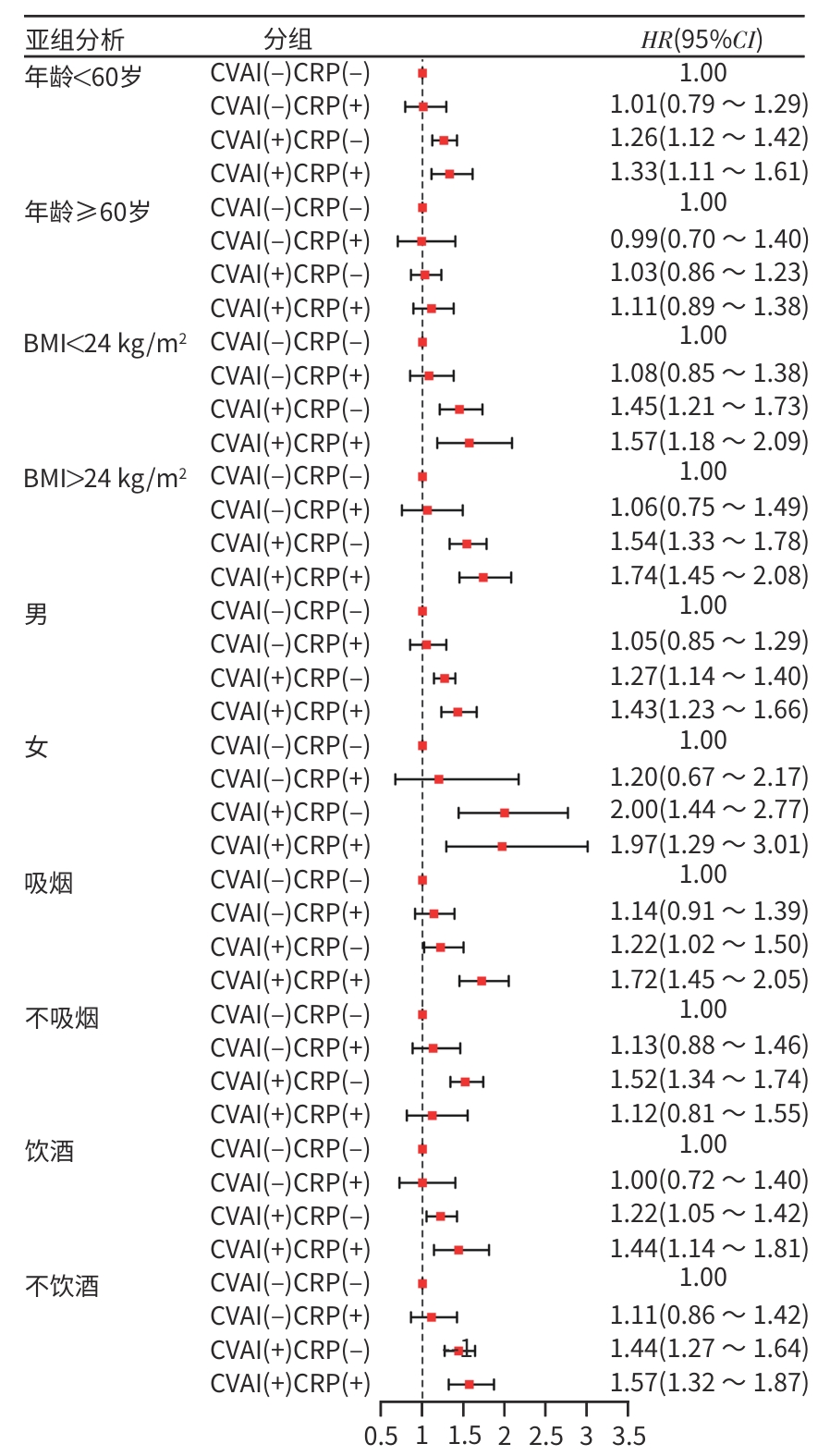







 DownLoad: