中文English
ISSN 1001-5256 (Print)
ISSN 2097-3497 (Online)
CN 22-1108/R

Vol.41 No.7 (297 in total) Jul. 2025

Theme Issue: Precision Diagnosis and Treatment of Cholestatic Liver Disease and Frontier Exploration 

Executive Chief Editor: CHAI Jin

The First Affiliated Hospital of Army Medical University(Third Military Medical University)

Display Method:
Editorial
Precision diagnosis and treatment of cholestatic liver disease and frontier exploration
Liangjun ZHANG, Qiong PAN, Jin CHAI
2025, 41(7): 1241-1245. DOI: 10.12449/JCH250701
Abstract(602) HTML (191) PDF (599KB)(264)
Abstract:
Cholestatic liver disease (CLD) encompasses a range of acute and chronic disorders characterized by impaired bile formation and/or flow. If left untreated, it may progress to cirrhosis and even liver failure. In recent years, with the development of molecular biology and omics technologies, the diagnosis and treatment of CLD are entering the era of precision medicine. This article reviews the advances in the diagnosis of CLD based on genetic testing and omics biomarkers and summarizes the latest studies and clinical trials on hydrophilic bile acid, FXR agonist, PPAR agonist, antibiotics, and novel molecules in targeted therapy for CLD. In the future, integrating omics data and implementing individualized diagnosis and treatment will be the main directions in precision medicine for CLD. This article aims to provide a reference for basic research and clinical translation in the field of CLD.
Expert Forum
Clinical management of cholestatic liver disease
Yuecheng GUO, Xiaobo CAI, Lungen LU
2025, 41(7): 1246-1250. DOI: 10.12449/JCH250702
Abstract(491) HTML (191) PDF (1018KB)(222)
Abstract:
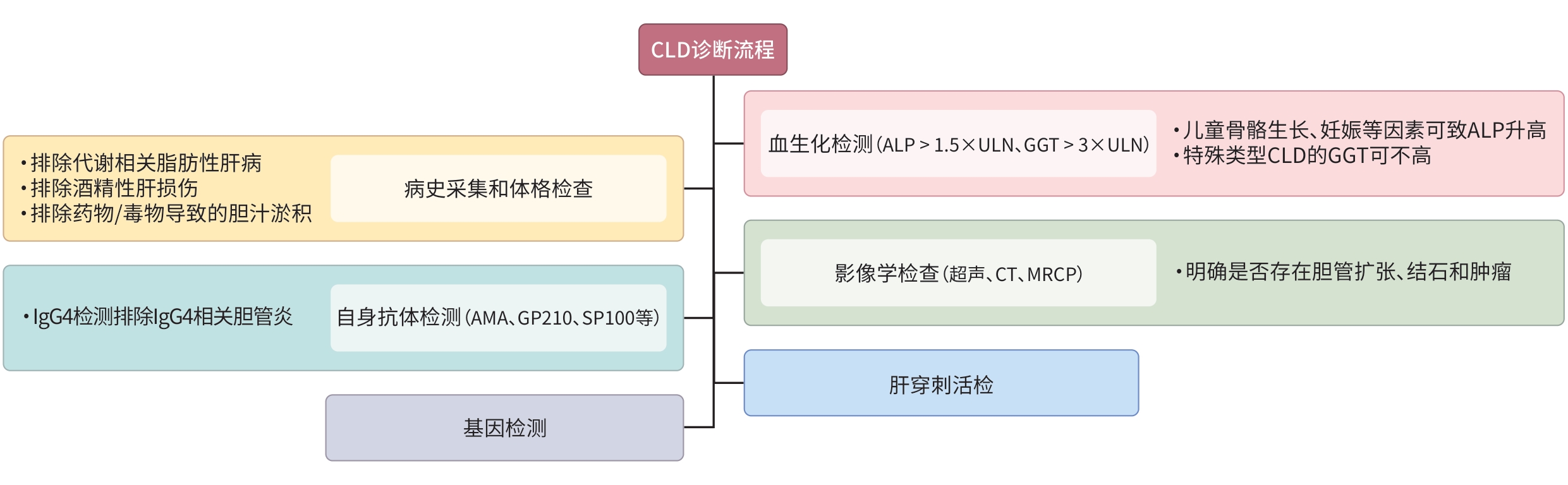
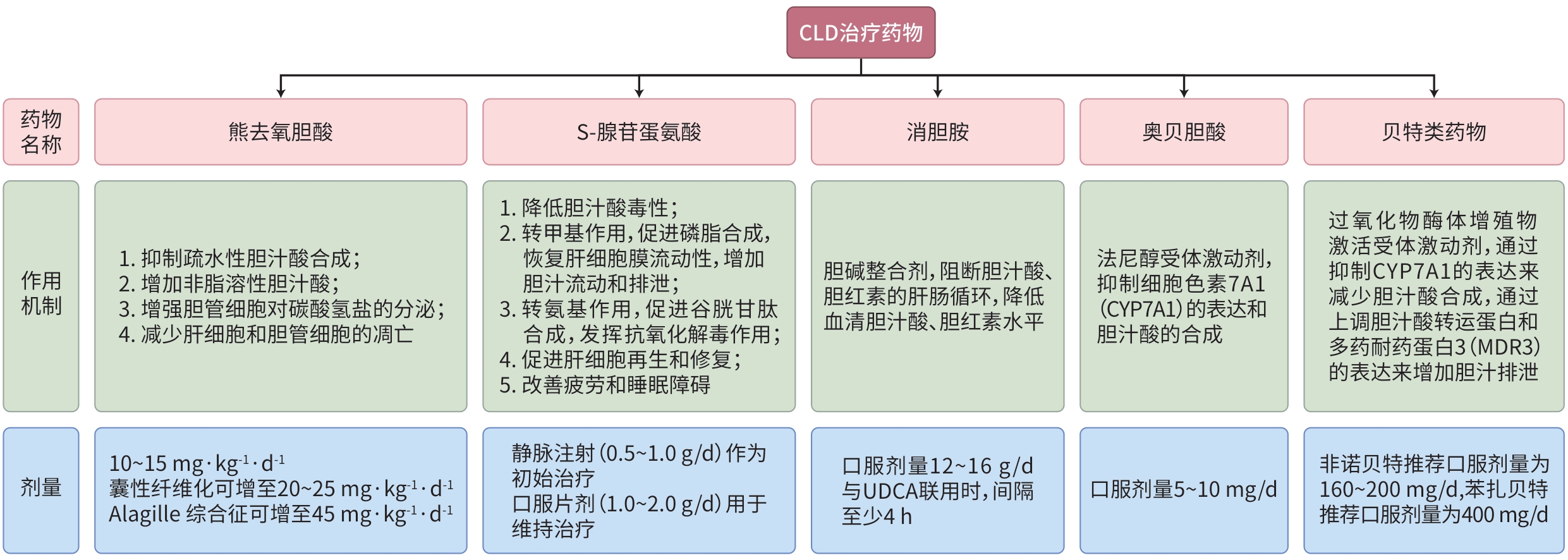
Cholestatic liver disease (CLD) is a group of hepatobiliary disorders caused by impaired bile production, secretion, or excretion. With the application of liquid biopsy, multi-parameter radiological examination, and genomics technology, significant progress has been made in the diagnosis and prognostic evaluation of CLD. At present, the therapeutic principles for CLD mainly focus on addressing the underlying causes and managing cholestasis, and commonly used drugs include ursodeoxycholic acid, S-adenosylmethionine, cholestyramine, fibrates, and obeticholic acid. Based on the latest clinical consensus statements and research advances in CLD, this article systematically elaborates on the clinical management strategies for CLD from the aspects of diagnosis, treatment, and prognostic evaluation.
Cholestatic liver disease and portal hypertension
Li CHEN, Changqing YANG
2025, 41(7): 1251-1255. DOI: 10.12449/JCH250703
Abstract(476) HTML (137) PDF (633KB)(157)
Abstract:
Cholestatic liver disease (CLD) is a group of rare chronic liver diseases with the core feature of biliary system damage, and the progression of CLD is often complicated by portal hypertension (PH), which significantly affects the prognosis of patients. This article systematically elaborates on the pathophysiological relationship between CLD and PH, with a focus on the core mechanisms such as bile acid toxicity, fibrosis-driven mechanisms, and vascular remodeling, and it also summarizes the comprehensive management strategy based on evidence-based medicine that integrates etiological treatment and PH intervention. Further studies are needed to analyze the CLD-PH molecular network, develop precise targeted therapies, and promote the application of artificial intelligence in disease stratification and prognosis prediction, so as to improve the clinical outcomes of patients.
Inflammatory bowel disease comorbid with autoimmune liver disease
Yinghao SUN, Jiaming QIAN
2025, 41(7): 1256-1260. DOI: 10.12449/JCH250704
Abstract(450) HTML (130) PDF (802KB)(152)
Abstract:
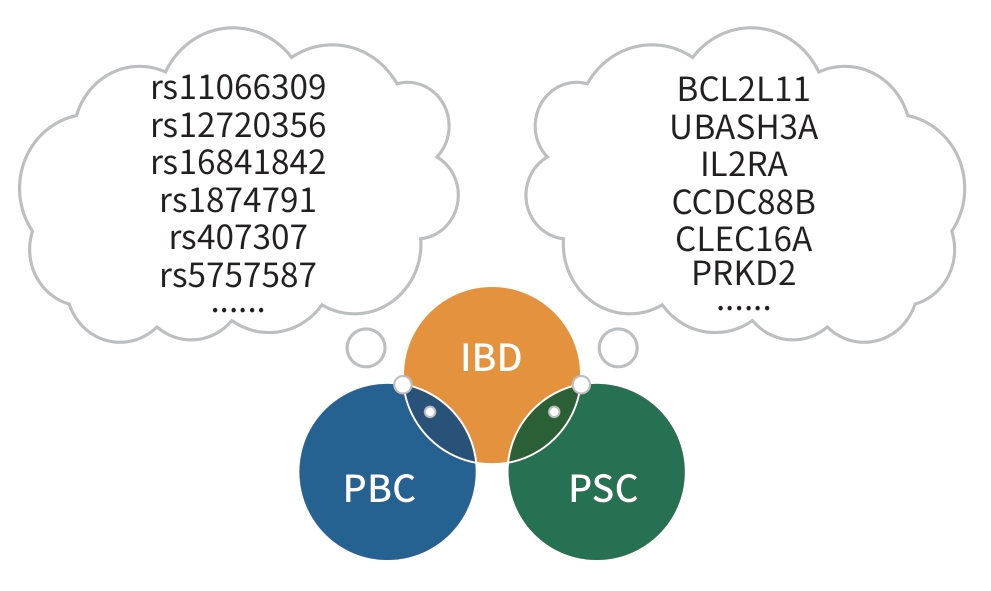
The coexistence of inflammatory bowel disease (IBD) and autoimmune liver disease (AILD) has gained increasing attention in clinical practice, and there are significant increases in the prevalence rates of autoimmune hepatitis (AIH), primary sclerosing cholangitis (PSC), and AIH-PSC overlap syndrome among the patients with IBD. Several pathogenic mechanisms are shared between IBD and AILDs, including genetic susceptibility, dysregulation of the gut-liver axis, immune imbalance, and abnormal bile acid metabolism. The ECCO guidelines recommend that patients who are suspected of IBD and receive no treatment should undergo a series of liver function tests, including alanine aminotransferase, alkaline phosphatase, gamma-glutamyl transferase, and total serum bilirubin, as well as regular reexaminations during follow-up. While IBD-AILD patients have unique clinical features, there is still a lack of unified diagnosis and treatment guidelines for this comorbidity, and the selection of therapeutic goal often entails a careful balance between the intestinal tract and the liver, requiring interdisciplinary collaboration and combined therapies based on pathogenesis. Future research should focus on the dynamic regulatory networks of the gut-liver axis to develop innovative intervention strategies that ensure both efficacy and safety.
Emphasizing the diagnosis and treatment of acute severe autoimmune hepatitis
Min LIAN, Ruqi TANG, Xiong MA
2025, 41(7): 1261-1265. DOI: 10.12449/JCH250705
Abstract(409) HTML (208) PDF (620KB)(161)
Abstract:
At present, the diagnostic criteria for acute severe autoimmune hepatitis (AS-AIH) include acute onset, consistency with the diagnostic criteria for autoimmune hepatitis (AIH), presence of jaundice, and international normalized ratio ≥1.5 at the time of diagnosis, without evidence of hepatic encephalopathy or previous liver disease. As a special subtype of AIH, AS-AIH is characterized by acute onset and rapid disease progression, and thus early diagnosis is of vital importance. Glucocorticoid therapy should be given as early as possible after diagnosis to prevent the progression to acute liver failure and reduce the risk of liver transplantation. Management of AS-AIH patients is challenging, since patients often lack typical clinical features and histological manifestations of AIH at the time of diagnosis, and early assessment of glucocorticoid response and a treatment regimen with proper doses are important for improving the prognosis of patients.
Primary biliary cholangitis and the gut microbiome
Zhibin ZHAO, Zhexiong LIAN
2025, 41(7): 1266-1269. DOI: 10.12449/JCH250706
Abstract(493) HTML (195) PDF (562KB)(176)
Abstract:
In recent years, an increasing amount of evidence has shown that intestinal flora disturbance plays a critical role in the pathogenesis of primary biliary cholangitis (PBC). Intestinal flora participates in the development and progression of PBC by modulating bile acid metabolism, affecting immune system functions, and mediating interactions within the gut-liver axis. This article summarizes the pathophysiological features of PBC, elaborates on the mechanism of action of intestinal flora in PBC, and analyzes the potential treatment strategies based on intestinal flora regulation, in order to provide new theoretical bases for the early diagnosis and precise treatment of PBC.
Personalized diagnosis and treatment strategies of primary biliary cholangitis
Linhua ZHENG, Ying HAN
2025, 41(7): 1270-1274. DOI: 10.12449/JCH250707
Abstract(459) HTML (157) PDF (568KB)(125)
Abstract:
At present, there are still certain problems in the diagnosis and treatment of primary biliary cholangitis (PBC), such as a low rate of early diagnosis, limitations in the selection of therapeutic drugs. For patients with atypical PBC and a normal level of alkaline phosphatase, IgM, age, and sex can be used as important indicators for the diagnosis of PBC. By shortening the cycle for evaluation, “Xi’an criteria” can facilitate early identification of patients who have a suboptimal response to ursodesoxycholic acid after 1-month treatment and allows clinicians to initiate second-line therapeutic agent. It provides significant platform in the clinical evaluation of prognostic information. Based on the optimization of existing models for prognostic evaluation, new dynamic models should be established based on serum indicators and liver stiffness to facilitate accurate prognostic assessment and active new drug research and development.
Hotspot·Perspective·Viewpoint
The survival benefit of plasma exchange in patients with acute liver failure: Controversies and thoughts
Di YANG, Qinglong JIN
2025, 41(7): 1275-1278. DOI: 10.12449/JCH250708
Abstract(375) HTML (126) PDF (596KB)(80)
Abstract:
Acute liver failure (ALF) is a rare but life-threatening clinical syndrome, and supportive care and liver transplantation are currently the main treatment methods for ALF. Plasma exchange (PEX), as a blood purification technique, can remove inflammatory mediators and toxins, and it is a widely used alternative therapy for liver transplantation in clinical practice. Studies have shown that PEX can alleviate inflammatory response, stabilize hemodynamics, and improve survival rate in ALF patients. However, a multicenter retrospective cohort study in the UK published in Journal of Hepatology in April 2025 showed that there was no improvement in overall survival benefit or transplantation-free survival rate in ALF patients after PEX, which has led to widespread debate in the academic world. This article reviews the advances in the application of PEX in ALF and discusses related controversial issues.
Guideline
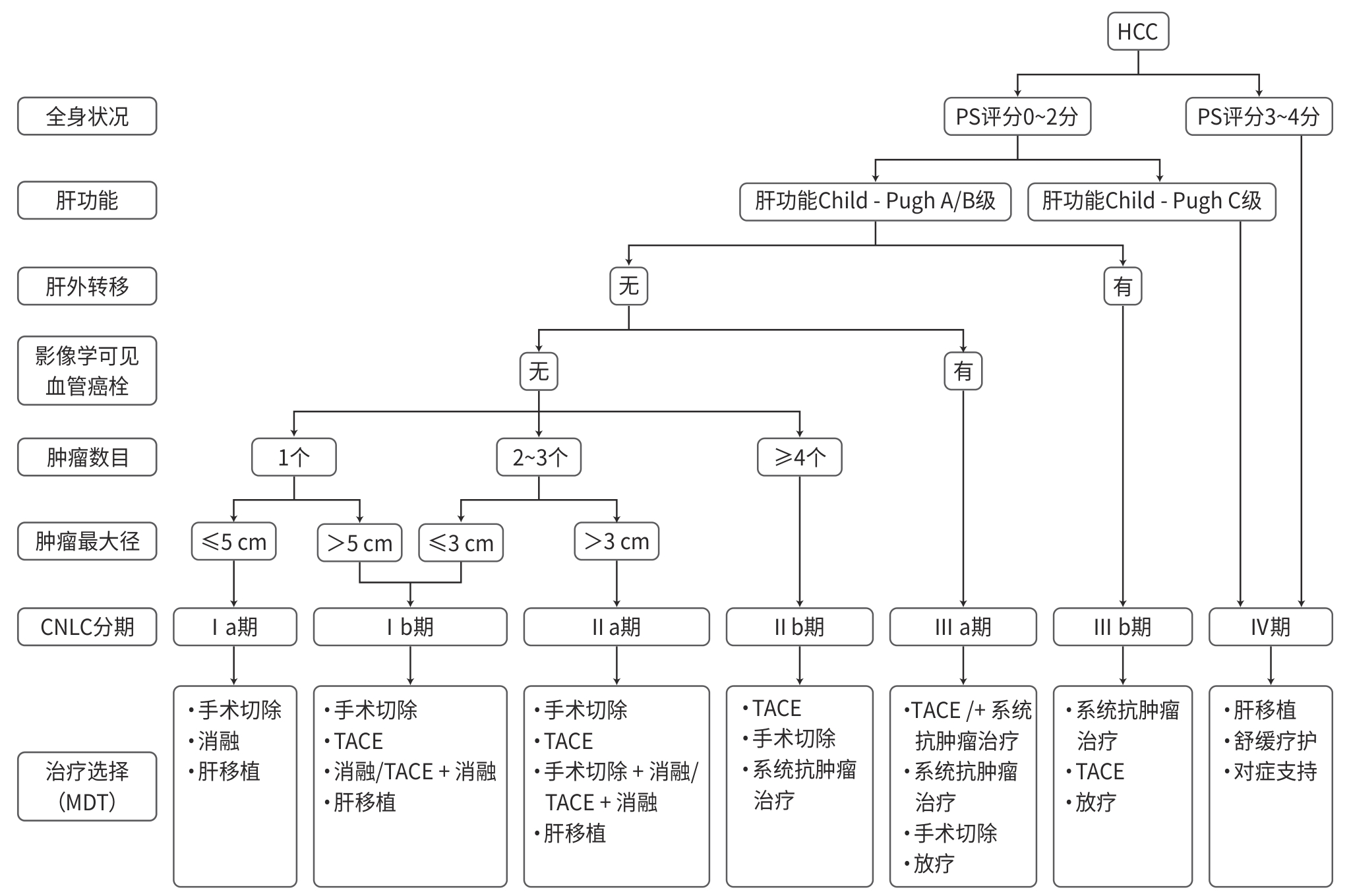
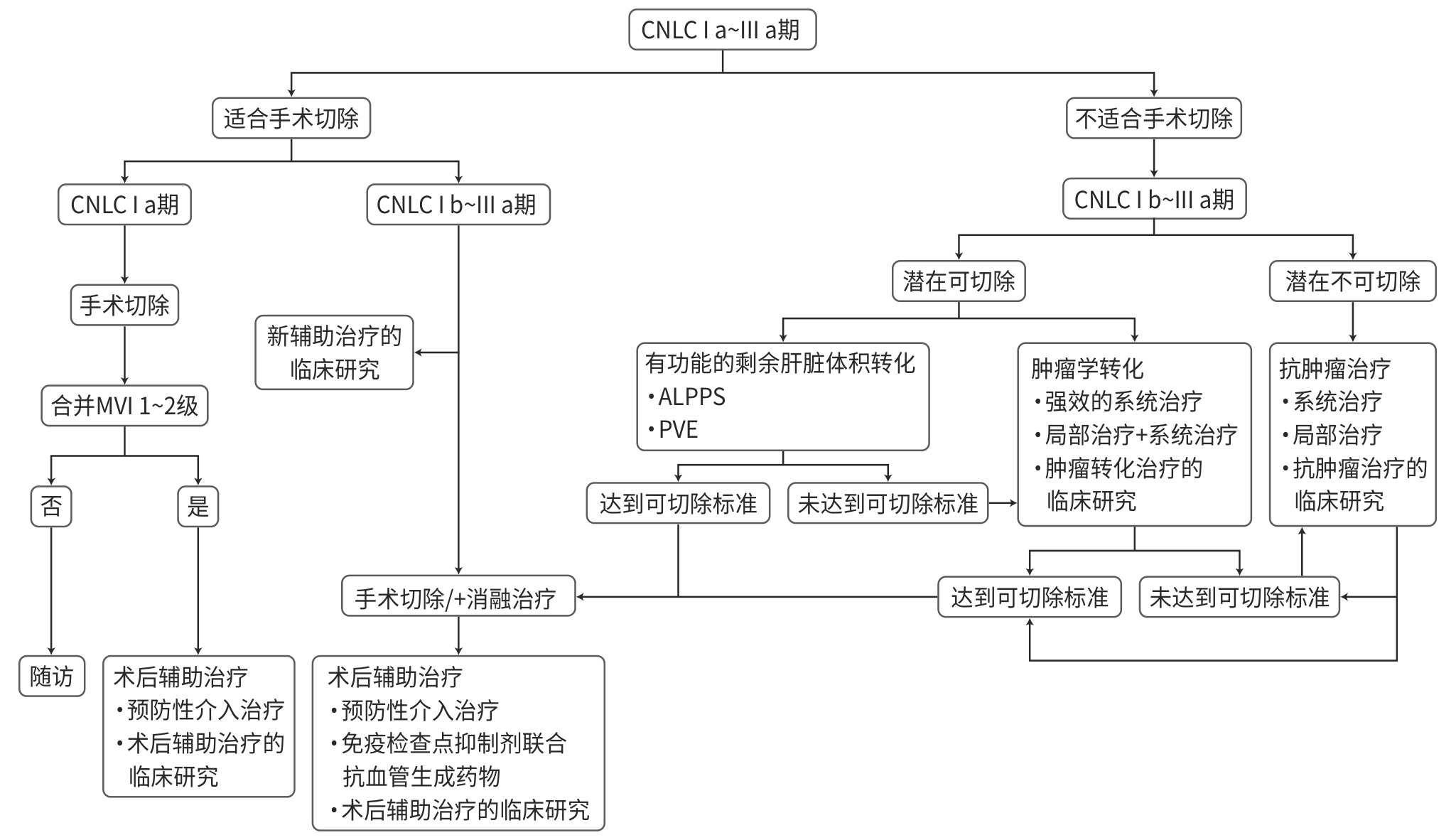
Chinese expert consensus on multidisciplinary treatment of liver cancer(2025)
Chinese Society of Liver Cancer, Chinese Anti-Cancer Association
2025, 41(7): 1279-1286. DOI: 10.12449/JCH250709
Abstract(2211) HTML (456) PDF (1159KB)(1183)
Abstract:
An excerpt of EASL clinical practice guidelines on the management of chronic hepatitis B virus infection (2025 edition)
Shiben ZHU, Xueru YIN, Jinlin HOU, Zhihua LIU
2025, 41(7): 1287-1296. DOI: 10.12449/JCH250710
Abstract(1073) HTML (311) PDF (1294KB)(272)
Abstract:
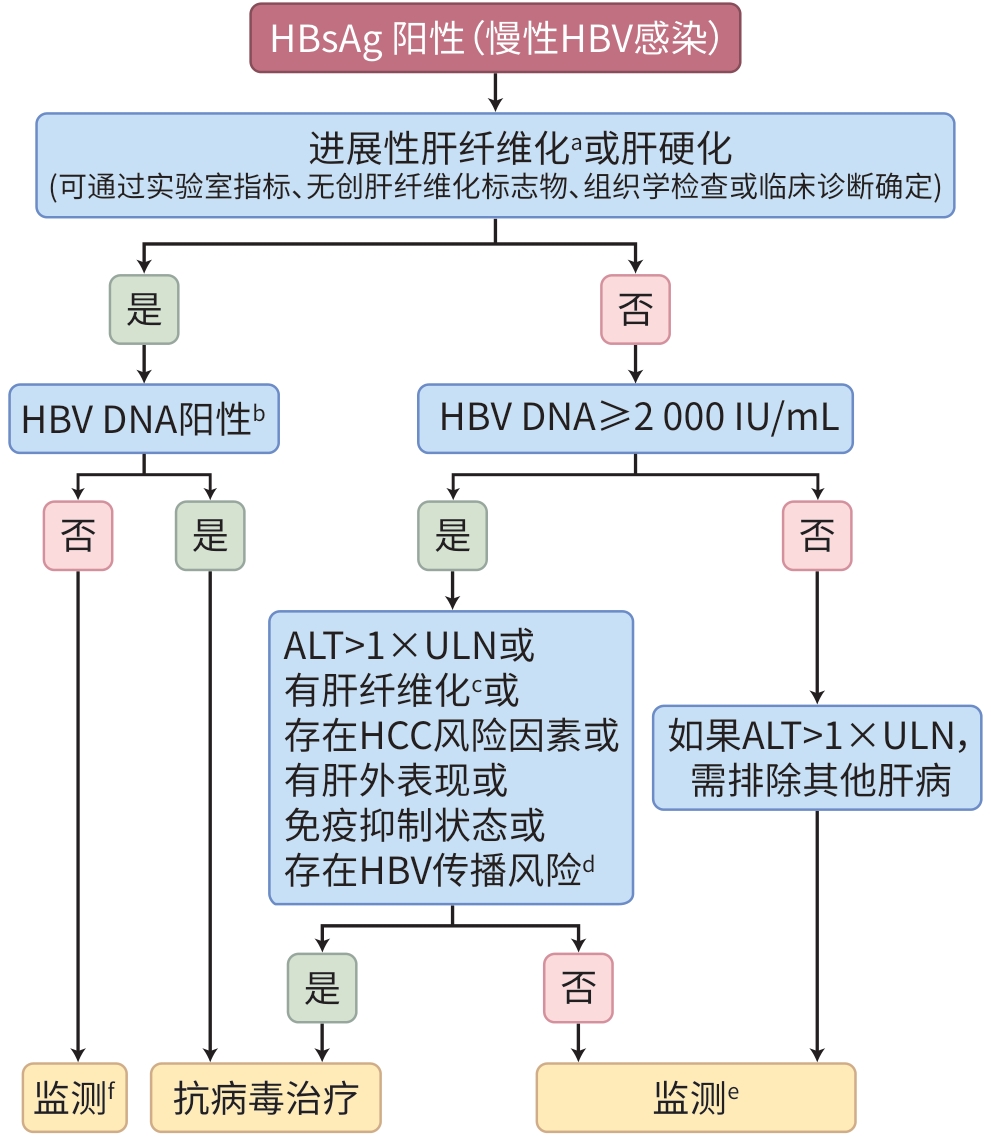
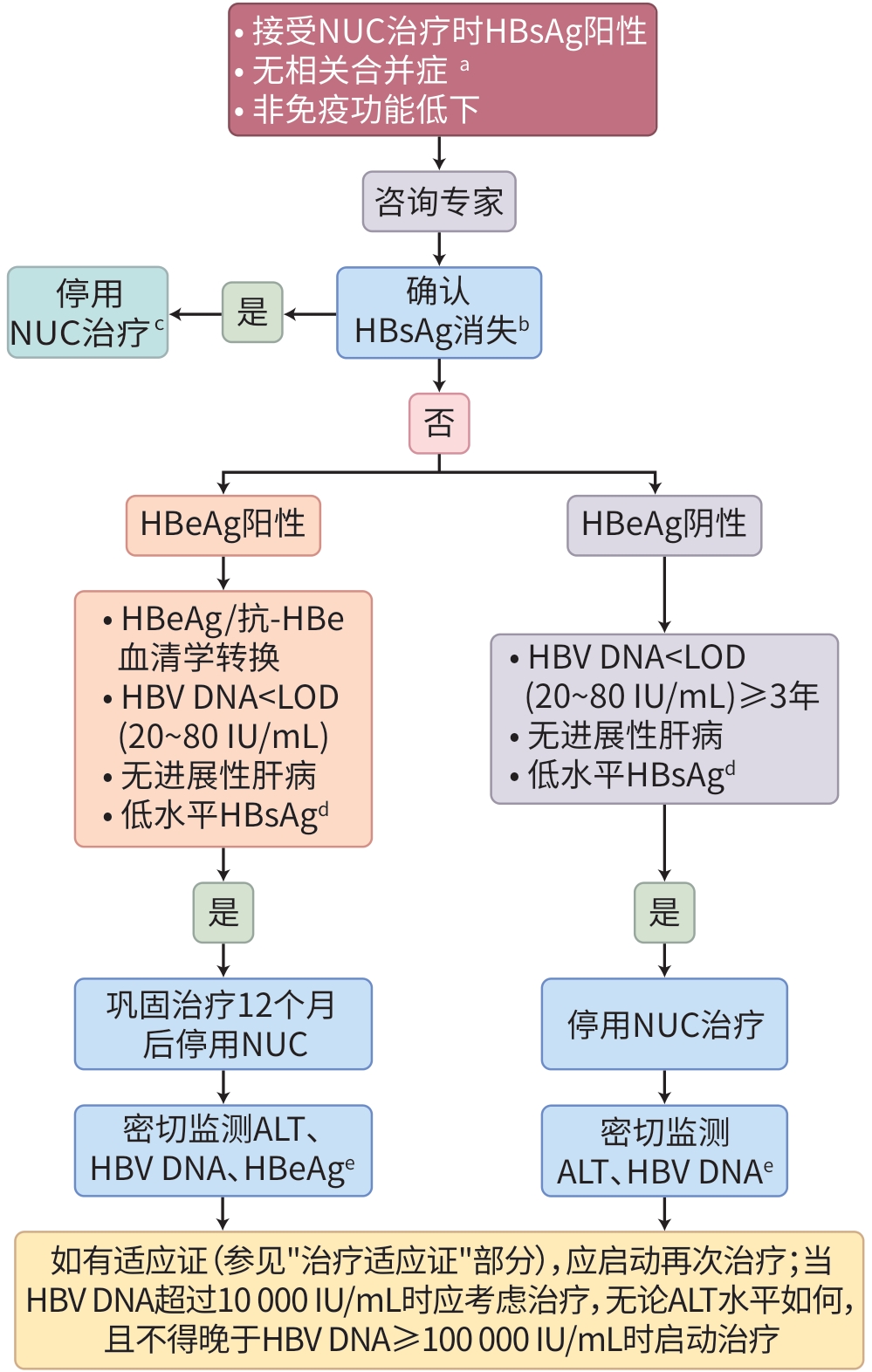
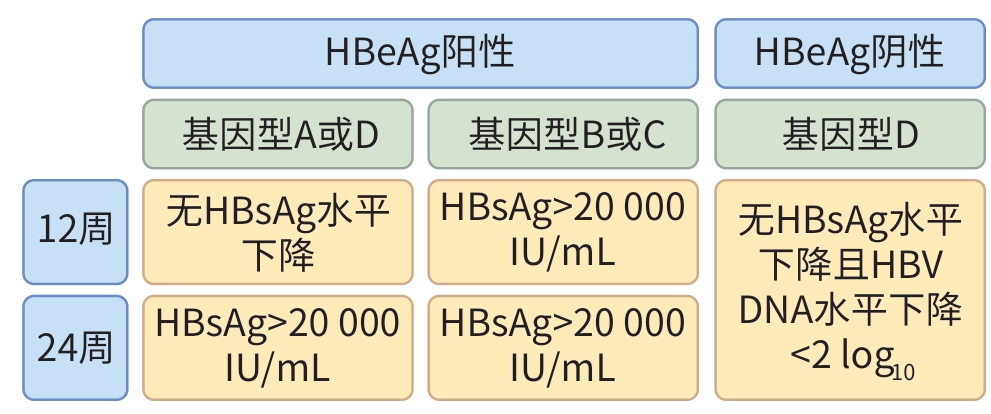
On May 10, 2025, the European Association for the Study of the Liver (EASL) released the latest version of Clinical Practice Guidelines on the Management of Chronic Hepatitis B Virus Infection. Based on the latest research advances, the guidelines provide comprehensive recommendations for the diagnosis, treatment, and prevention of HBV infection, covering ten key areas of diagnostic criteria, treatment goals, indications for treatment, therapeutic strategies, hepatocellular carcinoma surveillance, management of special populations, prevention of HBV reactivation, post-transplant care, prevention strategies, and future research priorities. This article summarizes and makes an excerpt of the key recommendations from the updated guidelines.
An excerpt of EASL clinical practice guidelines on the management of autoimmune hepatitis (2025 edition)
Xiao XIAO, Xiong MA
2025, 41(7): 1297-1302. DOI: 10.12449/JCH250711
Abstract(863) HTML (341) PDF (557KB)(262)
Abstract:
In 2025, the European Association for the Study of the Liver (EASL) updated and released the EASL clinical practice guidelines on the management of autoimmune hepatitis (2025 edition), which systematically elaborates on the life-cycle management strategies for both adult and pediatric patients with autoimmune hepatitis. This article makes an excerpt of the key recommendations from the guidelines.
An excerpt of British Society of Gastroenterology guidelines for diagnosis and management of autoimmune hepatitis (2025)
Yansheng LIU, Yulong SHANG, Ying HAN
2025, 41(7): 1303-1307. DOI: 10.12449/JCH250712
Abstract(541) HTML (183) PDF (556KB)(168)
Abstract:
Recently, British Society of Gastroenterology has published the guidelines on the management of autoimmune hepatitis (AIH). The guidelines provide guidance for the diagnosis and management of patients with AIH and overlap syndrome by reviewing and summarizing existing clinical evidence. The guidelines mainly focus on AIH in adults, but it is also applicable to adolescents and older children. This article presents an excerpt of the recommendations from the guidelines.
An excerpt of ESGAR consensus statement on MR imaging in primary sclerosing cholangitis (2025)
Yang ZHENG, Xiaoming WANG
2025, 41(7): 1308-1312. DOI: 10.12449/JCH250713
Abstract(449) HTML (151) PDF (799KB)(69)
Abstract:
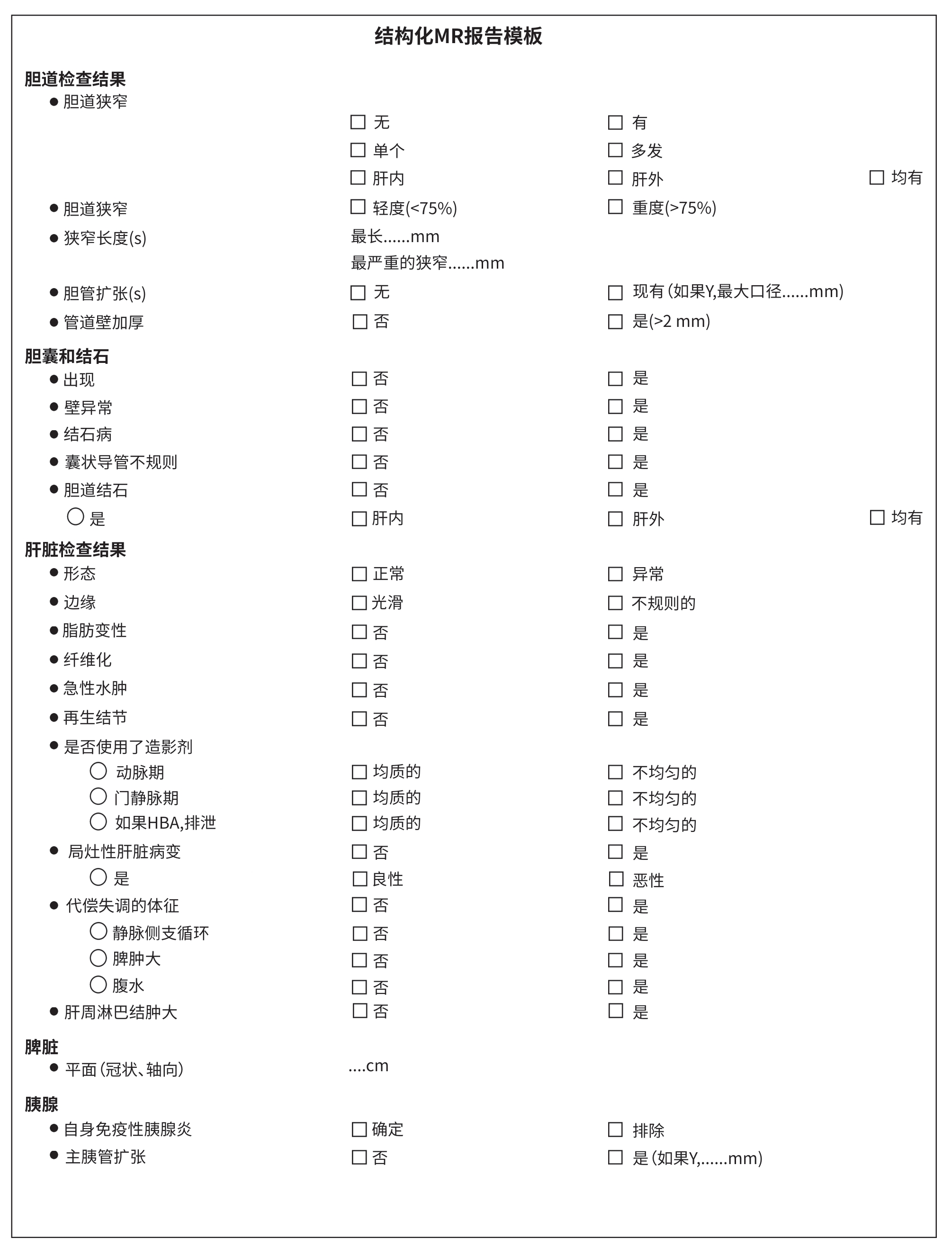
The European Society of Gastrointestinal and Abdominal Radiology established a multinational expert group and developed a consensus statement and recommendations on the application of magnetic resonance imaging (MRI) in primary sclerosing cholangitis (PSC). The consensus statement clarifies the core imaging features, indications, and operating procedures of MRI examination for PSC patients and constructs a structured report template to provide a standardized reference for radiologists and clinicians. This article provides an excerpt of the consensus statement for reference.
Viral Hepatitis
Changing trend of serum tumor necrosis factor-alpha level during pegylated interferon-alpha treatment in inactive HBsAg carriers and its association with HBsAg clearance
Fengping WU, Ling HE, Chenrui LIU, Wenhao WANG, Ru LI, Shuangsuo DANG
2025, 41(7): 1313-1318. DOI: 10.12449/JCH250714
Abstract(441) HTML (166) PDF (1324KB)(78)
Abstract:
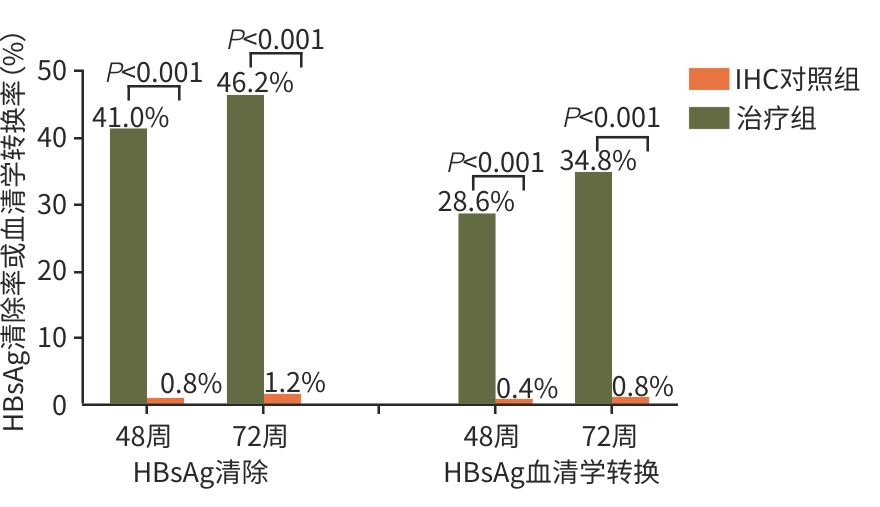
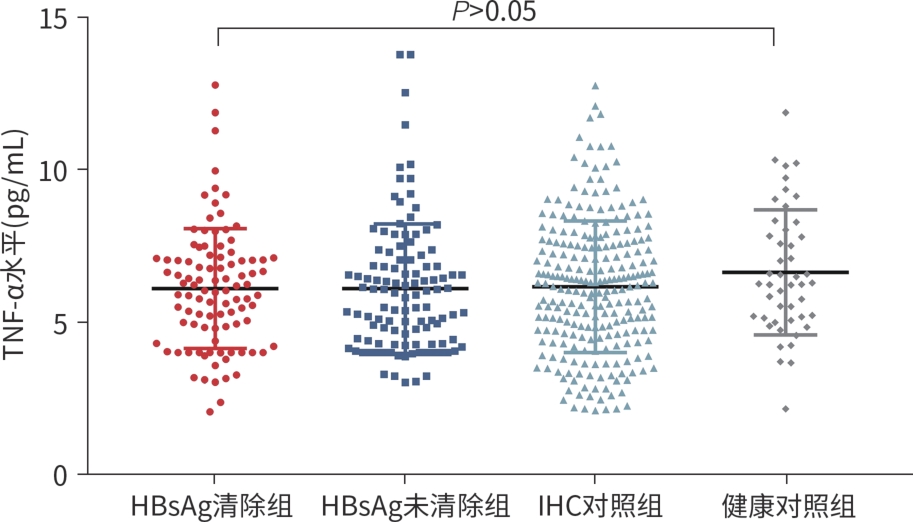
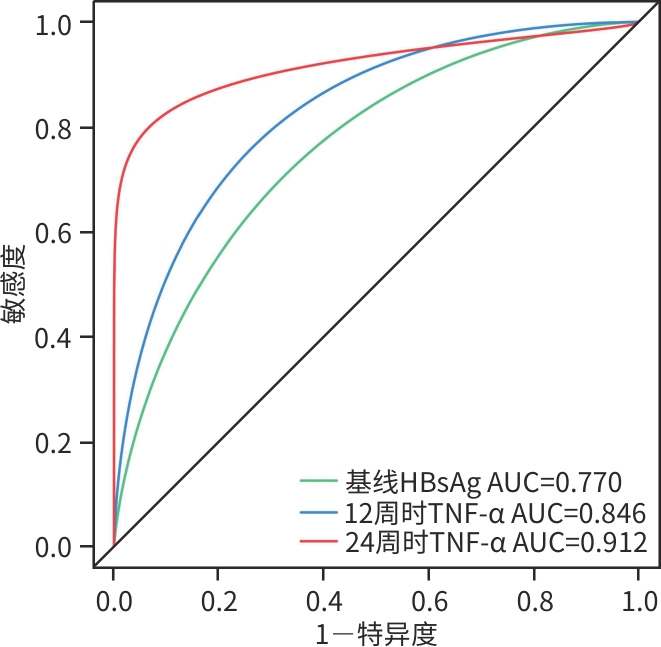
  Objective  To observe the changes in the serum level of tumor necrosis factor-α (TNF-α) during pegylated interferon-alpha (PEG-IFN-α) treatment in inactive HBsAg carriers (IHCs), to investigate the association between the dynamic changes of TNF-α and HBsAg clearance, and to assess the value of TNF-α as a potential biomarker for predicting the therapeutic efficacy of PEG-IFN-α.  Methods  A prospective study was conducted among 455 IHCs who attended our hospital from January 2018 to March 2023, and they were divided into treatment group and IHC control group. The 210 IHCs in the treatment group voluntarily received PEG-IFNα-2b treatment for 48 weeks, followed by follow-up for 24 weeks, and the 245 IHCs in the IHC control group were followed up for 72 weeks without treatment. The serum level of TNF-α was measured at baseline (week 0) and at weeks 12, 24,48, and 72, and at week 72, the treatment group was further divided into HBsAg clearance group and non-clearance group. The serum level of TNF-α at different time points was compared between groups. The logistic regression analysis was used to assess the value of TNF-α in predicting HBsAg clearance. The t-test was used for comparison of normally distributed continuous data between two groups, and a one-way analysis of variance used for comparison between multiple groups; the repeated measures analysis of variance was used for comparison of normally distributed repeated measurement data within each group and between groups; the chi-square test or the Fisher’s exact test was used for comparison of categorical data between groups. Univariate and multivariate logistic regression analyses were used to investigate the predictive factors for HBsAg clearance, and the receiver operating characteristic (ROC) curve was used to determine the cut-off value of TNF-α in predicting HBsAg clearance.  Results  At week 72, compared with the IHC control group, the treatment group had significantly higher HBsAg clearance rate (46.2% vs 1.2%, χ2=133.333,P<0.001) and seroconversion rate (34.8% vs 0.8%, χ2=94.650,P<0.001). The HBsAg clearance group and the non-clearance group had a significant increase in the serum level of TNF-α during treatment, which gradually returned to the baseline level after drug withdrawal (F=351.733 and 76.434, both P<0.001). Comparisons between groups showed that the HBsAg clearance group had the highest serum level of TNF-α at weeks 12, 24, and 48, followed by the non-clearance group and the IHC control group (all P<0.001). The multivariate logistic regression analysis showed that baseline HBsAg level (odds ratio [OR]=0.329,95% confidence interval [CI]:0.189‍ ‍—‍ ‍0.571,P<0.001), baseline HBV DNA <20 IU/mL (OR=1.414,95%CI:1.057‍ ‍—‍ ‍1.787,P=0.045), ALT≥2×upper limit of normal at week 12 (OR=1.127,95%CI:1.028‍ ‍—‍ ‍1.722,P=0.043), TNF-α level at week 12 (OR=1.336,95%CI:1.018‍ ‍—‍ ‍1.754,P=0.037), and TNF-α level at week 24 (OR=1.879,95%CI:1.477‍ ‍—‍ ‍2.391,P<0.001) were independent predictive factors for HBsAg clearance. The ROC analysis showed that TNF-α level at week 12 had an area under the ROC curve (AUC) of 0.846 (95%CI:0.814‍ ‍—‍ ‍0.889) in predicting HBsAg clearance at week 72, with a sensitivity of 76.3% and a specificity of 81.0%, while TNF-α level at week 24 had an AUC of 0.912 (95%CI:0.758‍ ‍—‍ ‍0.972), with a sensitivity of 81.4% and a specificity of 96.2%.  Conclusion  PEG-IFN-α can increase the serum level of TNF-α in IHCs, and the serum level of TNF-α at weeks 12 and 24 can effectively predict HBsAg clearance induced by PEG-IFN-α.
Fatty Liver Disease
Influence factors for the development and regression of metabolic dysfunction-associated fatty liver disease: A study based on the health check-up population in Beijing, China
Haiqing GUO, Xiaohui LIU, Mingliang LI, Feng LIU, Yali LIU, Jing ZHANG
2025, 41(7): 1319-1326. DOI: 10.12449/JCH250715
Abstract(424) HTML (134) PDF (623KB)(49)
Abstract:
  Objective  To investigate the clinical and metabolic factors associated with the development and regression of metabolic dysfunction-associated fatty liver disease (MAFLD) in the physical examination population.  Methods  A retrospective observational study was conducted on 6 809 individuals who underwent physical examination in a physical examination institution in Beijing from December 2013 to December 2019, with a mean follow-up time of 52.1±13.5 months. According to the new diagnostic criteria for MAFLD, these individuals were divided into MAFLD group and non-MAFLD group, and the two groups were compared in terms of demographic indicators, body measurement indicators, and laboratory indicators at the first (baseline) and last physical examinations. The two-independent-samples t test was used for comparison of normally distributed continuous data between two groups, and the Mann-Whitney U test was used for comparison of non-normally distributed continuous data between two groups; the chi-square test was used for comparison of categorical data. A Logistic regression analysis was used to investigate the impact of various observation indicators on the development and regression of MAFLD.  Results  In this study, there were 4 533 individuals (66.6%) in the non-MAFLD group at baseline, among whom 15.6% developed MAFLD at the last physical examination. Compared with the non-MAFLD population, the MAFLD population had significantly higher age (Z=-6.739), number of male patients (χ2=178.534), body weight (Z=-22.302), body mass index (BMI) (Z=-22.818), waist circumference (Z=-23.117), hip circumference (Z=-18.446), systolic blood pressure (SBP) (Z=-13.301), diastolic blood pressure (DBP) (Z=-13.491), fasting blood glucose (FBG) (Z=-11.787), triglyceride (TG) (Z=-16.623), low-density lipoprotein cholesterol (LDL-C) (Z=-10.256), alanine aminotransferase (ALT) (Z=-14.250), aspartate aminotransferase (AST) (Z=-7.481), and proportion of patients with metabolic syndrome (MetS) at baseline (χ2=185.283), and there were more patients with increases in body weight, waist circumference, hip circumference, TG, TC, ALT, and AST at the final physical examination (all P<0.05); these patients had a lower level of HDL-C at baseline (Z=15.416), and there were more patients with a reduction at the last physical examination (P<0.05). There were 2 276 individuals (33.4%) in the MAFLD group at baseline, among whom 23.8% showed regression of MAFLD at the last physical examination. Compared with the population without regression of MAFLD, the population with regression of MAFLD had a significantly younger age (Z=2.185), a significantly higher number of female patients (χ2=0.340), significantly lower levels of body weight (Z=-8.909), BMI (Z=-10.205), waist circumference (Z=-11.183), hip circumference (Z=-7.178), SBP (Z=-3.627), DBP (Z=-3.443), TG (Z=-5.945), ALT (Z=-9.664), and AST (Z=-5.904), and a significantly lower proportion of patients with MetS (χ2=42.082), and there were more patients with reductions in body weight, waist circumference, hip circumference, blood pressure, TG, TC, ALT, and AST at the final physical examination (all P<0.05); these patients had a higher level of HDL-C at baseline (Z=6.778), and there were more patients with an increase at the last physical examination (P<0.05). The multivariate Logistic regression analysis showed that sex and changes in body weight and HDL-C during physical examination were independently associated with the development and regression of MAFLD (all P<0.05).  Conclusion  There is a relatively high prevalence rate of MAFLD among the physical examination population in Beijing, with a higher proportion of male patients. There are significant metabolic disorders and liver function abnormalities, and changes in body weight and HDL-C are the most important predictive indicators for the development and regression of MAFLD.
Efficacy and mechanism of epigallocatechin-3-gallate in treatment of experimental metabolic dysfunction-associated steatohepatitis
Xiao XU, Qian ZHANG, Qinmei SUN, Yiyang HU, Xin XIN, Qin FENG
2025, 41(7): 1327-1336. DOI: 10.12449/JCH250716
Abstract(386) HTML (146) PDF (4089KB)(32)
Abstract:
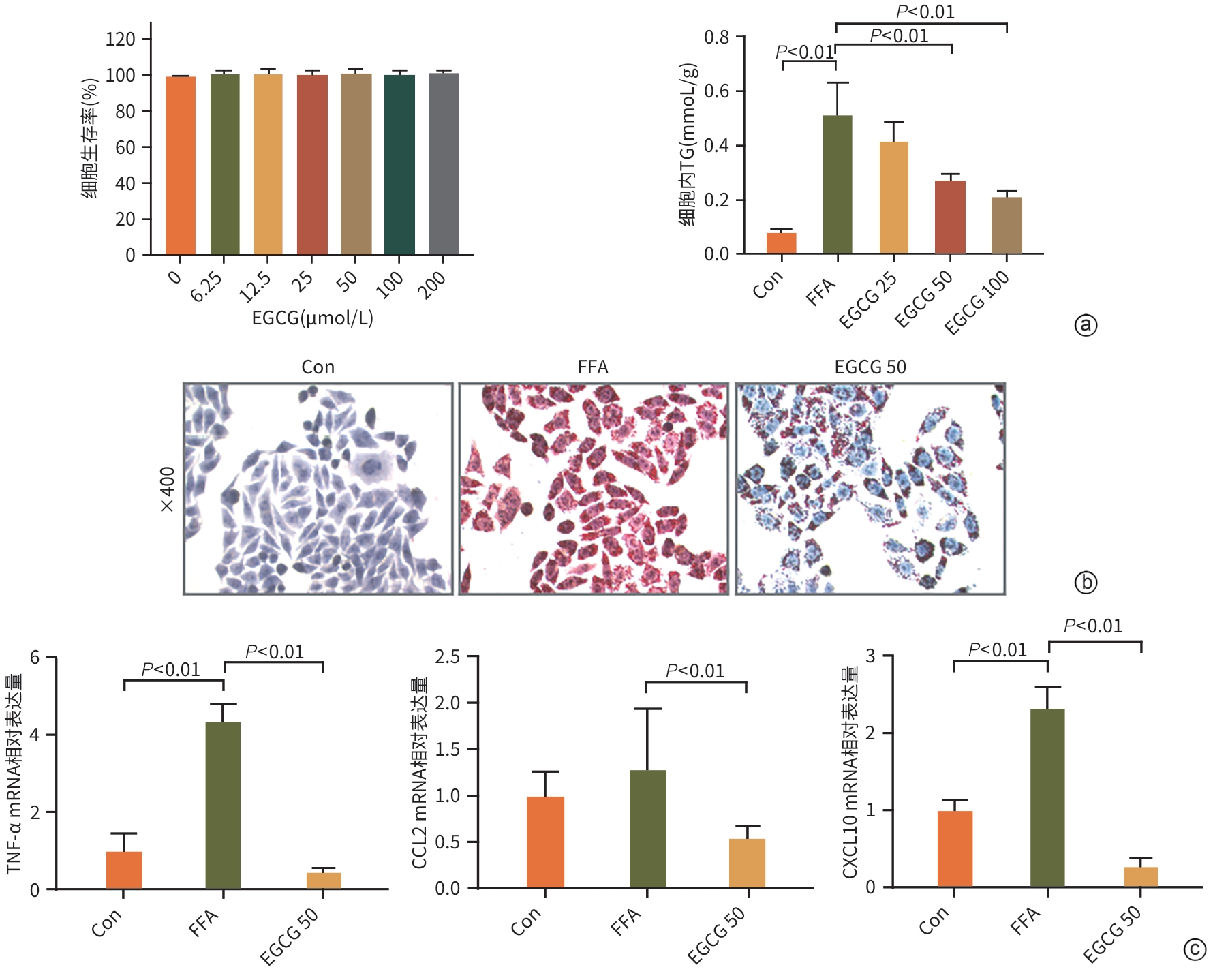
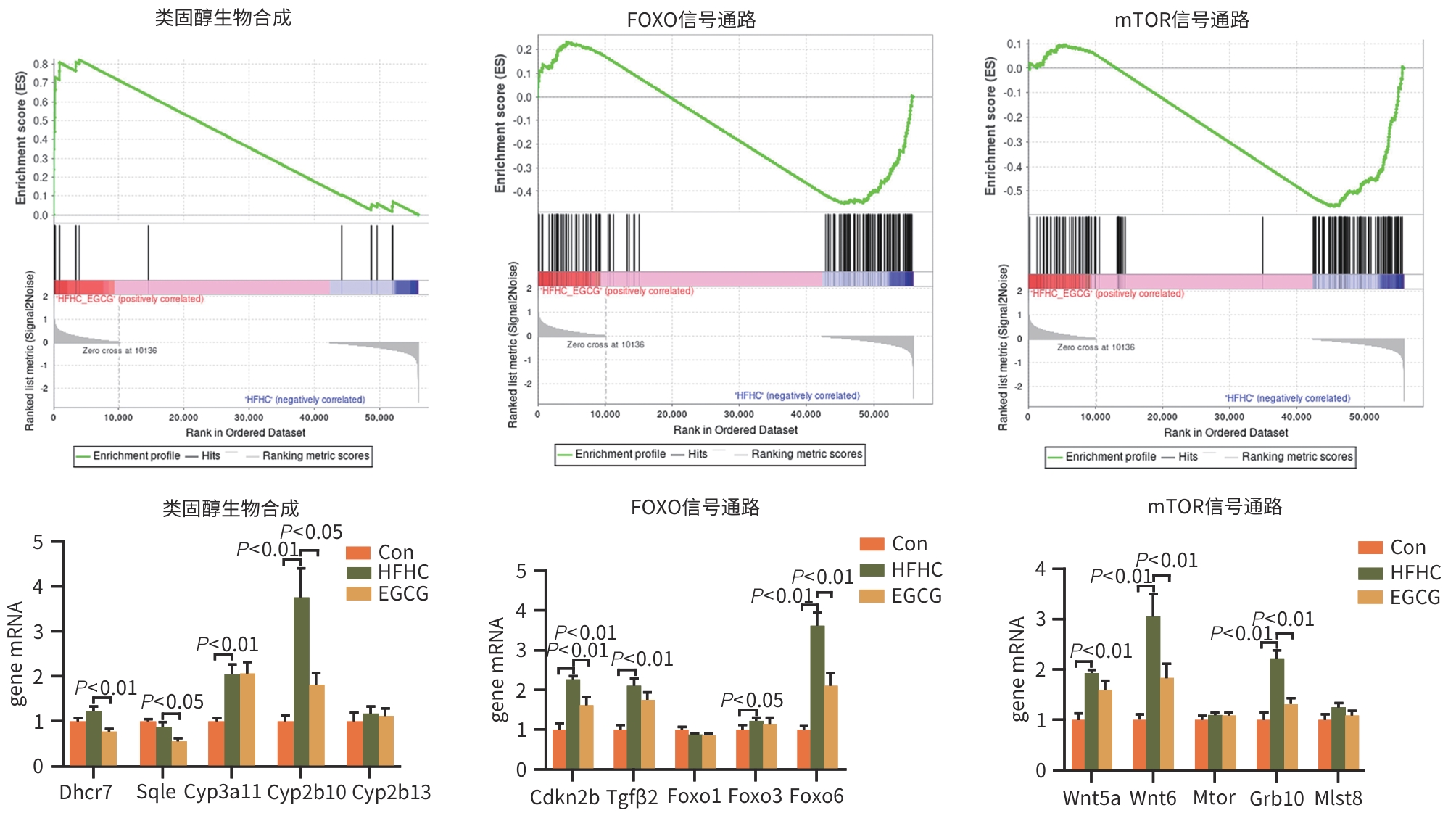
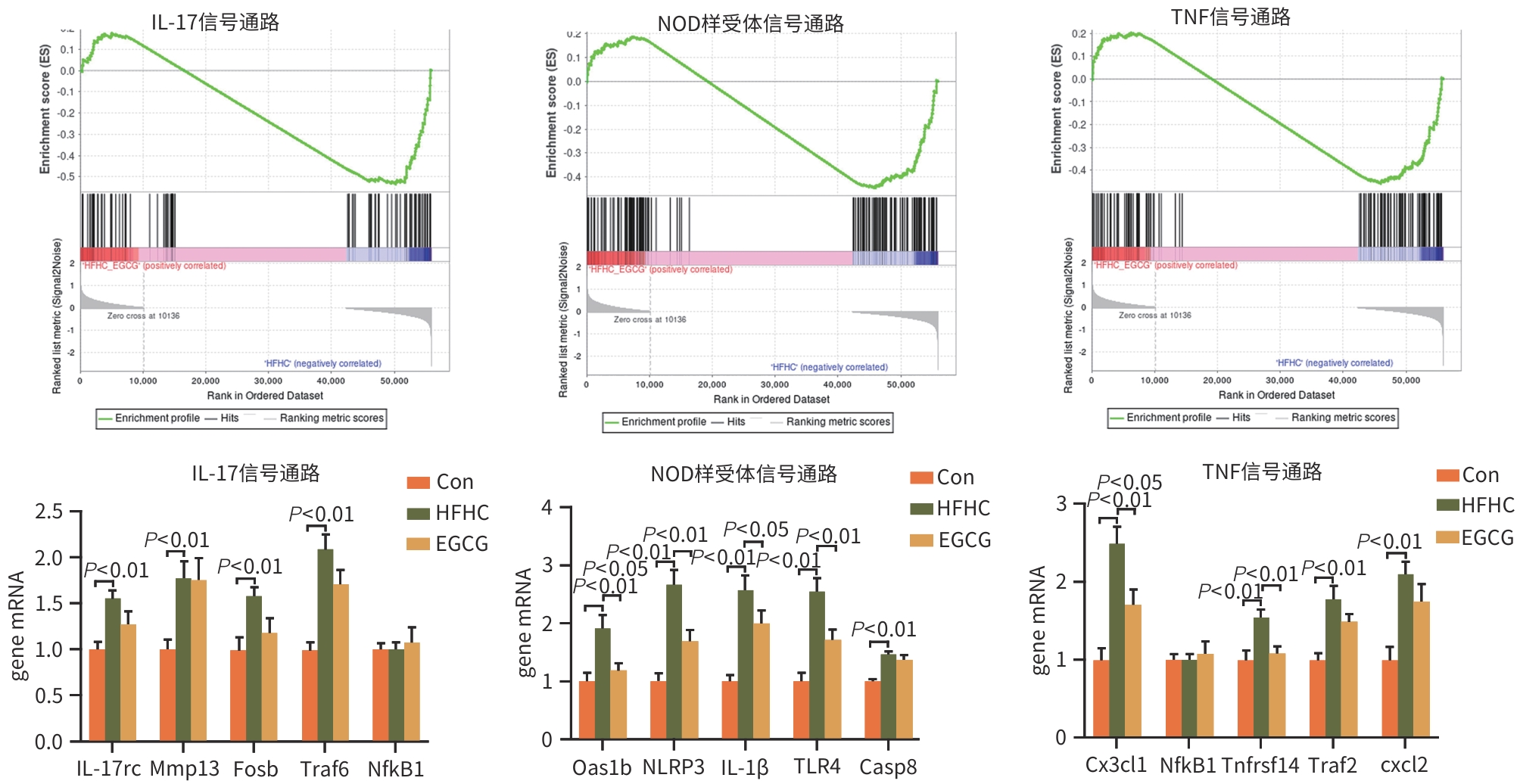
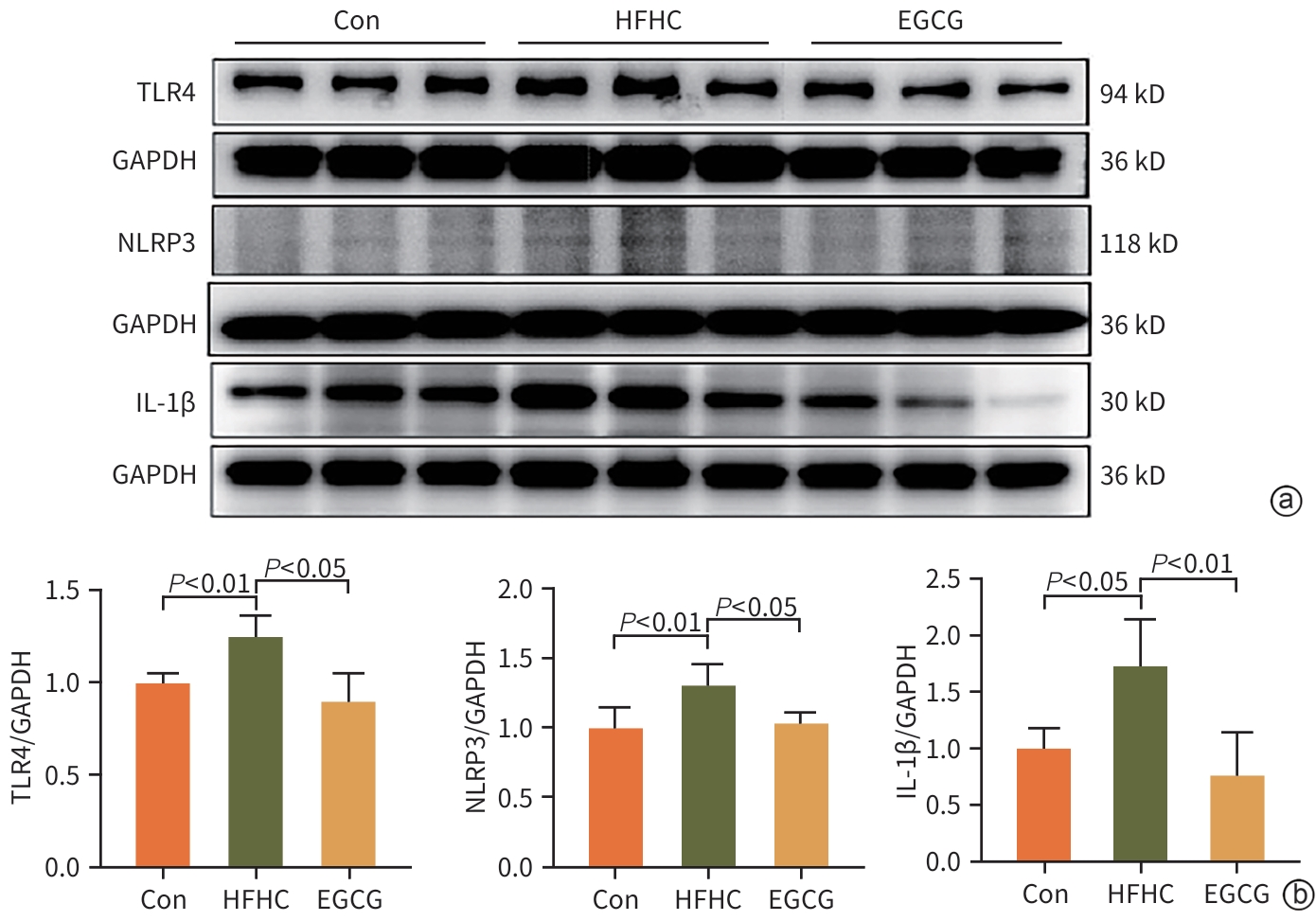
  Objective  To investigate the effect and mechanism of action of epigallocatechin-3-gallate (EGCG) in the treatment of experimental metabolic dysfunction-associated steatohepatitis (MASH), and to provide a basis for clinical development and application.  Methods  A total of 32 experimental C57BL/6J mice were randomly divided into normal diet group (Con group with 8 mice) and model group with 24 mice. The mice in the model group were given a high-trans fatty acid high-carbohydrate (HFHC) diet for 24 weeks to establish a model of MASH, and at the end of week 24, the mice in the model group were further divided into HFHC group, EGCG treatment group (100 mg·kg-1·d-1), and obeticholic acid treatment group (10 mg·kg-1·d-1), with 8 mice in each group. After 6 weeks of treatment, samples were collected to observe the general conditions of mice; the content of triglycerides (TG) and hydroxyproline in liver tissue and the serum levels of alanine aminotransferase (ALT) and aspartate aminotransferase (AST) were measured; HE staining, oil red O staining, and picrosirius red staining were used to observe liver histopathological changes. In the in vitro experiment, L02 cells were induced with free fatty acid (FFA) to establish a model of lipid deposition, and the cells were divided into Con group, FFA group, and EGCG group. The content of TG in cells was measured, as well as the results of oil red O staining and the relative mRNA expression levels of TNF-‍α, CCL2, and CXCL10. The transcriptomics technique was used to identify differentially expressed genes between the Con group, the HFHC group, and the EGCG group and perform the GSEA analysis, and pathways with a P-adjust value of <0.05 that were associated with MASH were further classified into metabolism-related pathways and inflammation-related pathways. The specific signaling pathways in each category were ranked based on the degree of enrichment, and key genes in the top three pathways were verified by PCR in vivo. Key genes in the NOD-like receptor signaling pathway were verified by Western blotting. A one-way analysis of variance was used for comparison of normally distributed continuous data with homogeneity of variance between multiple groups, and the least significant difference t-test was used for further comparison between two groups.  Results  Compared with the HFHC group, the EGCG group had significant reductions in the content of TG in liver tissue (P<0.05) and the serum levels of ALT and AST (P<0.05). Oil red O staining showed significant alleviation of hepatocyte fatty degeneration in the EGCG group, HE staining showed that EGCG effectively alleviated inflammation, and picrosirius red staining showed a significant reduction in the number of fibrous tissue after EGCG treatment. There was a significant reduction in the content of hydroxyproline in liver tissue after EGCG intervention (P<0.01). Cell experiments showed that compared with the FFA group, the EGCG group had a significant reduction in the content of TG, and oil red O staining showed the disappearance of lipid droplets in the EGCG group compared with the FFA group, with significant reductions in the relative mRNA expression levels of the inflammatory factors TNF-α, CCL2, and CXCL10 (all P<0.01). The transcriptomics analysis identified 230 differentially expressed genes between the HFHC group and the EGCG group, among which there were 108 upregulated genes and 122 downregulated genes. EGCG significantly reduced the levels of the key proteins TLR4, NLRP3, and IL-1β in the NOD-like receptor signaling pathway in liver tissue (all P<0.05).  Conclusion  EGCG can significantly alleviate lipid deposition, inflammation, and fibrosis in the mouse model of MASH and improve lipid deposition and inflammatory injury in L02 cells, possibly by regulating the NOD-like receptor signaling pathway.
Autoimmune Liver Disease
Clinical features and prognosis of patients with primary sclerosing cholangitis: An analysis of 107 cases
Tongtong MENG, Weijia DUAN, Xinyu LI, Junqi NIU, Huiguo DING, Ying HAN, Wen XIE, Lu ZHOU, Bangmao WANG, Liping GUO, Jie LI, Bei JIA, Lingyi ZHANG, Liang WANG, Xiaoqian XU, Yu WANG, Xiaojuan OU, Xinyan ZHAO, Hong YOU, Jidong JIA, Yuanyuan KONG
2025, 41(7): 1337-1343. DOI: 10.12449/JCH250717
Abstract(509) HTML (131) PDF (1664KB)(72)
Abstract:
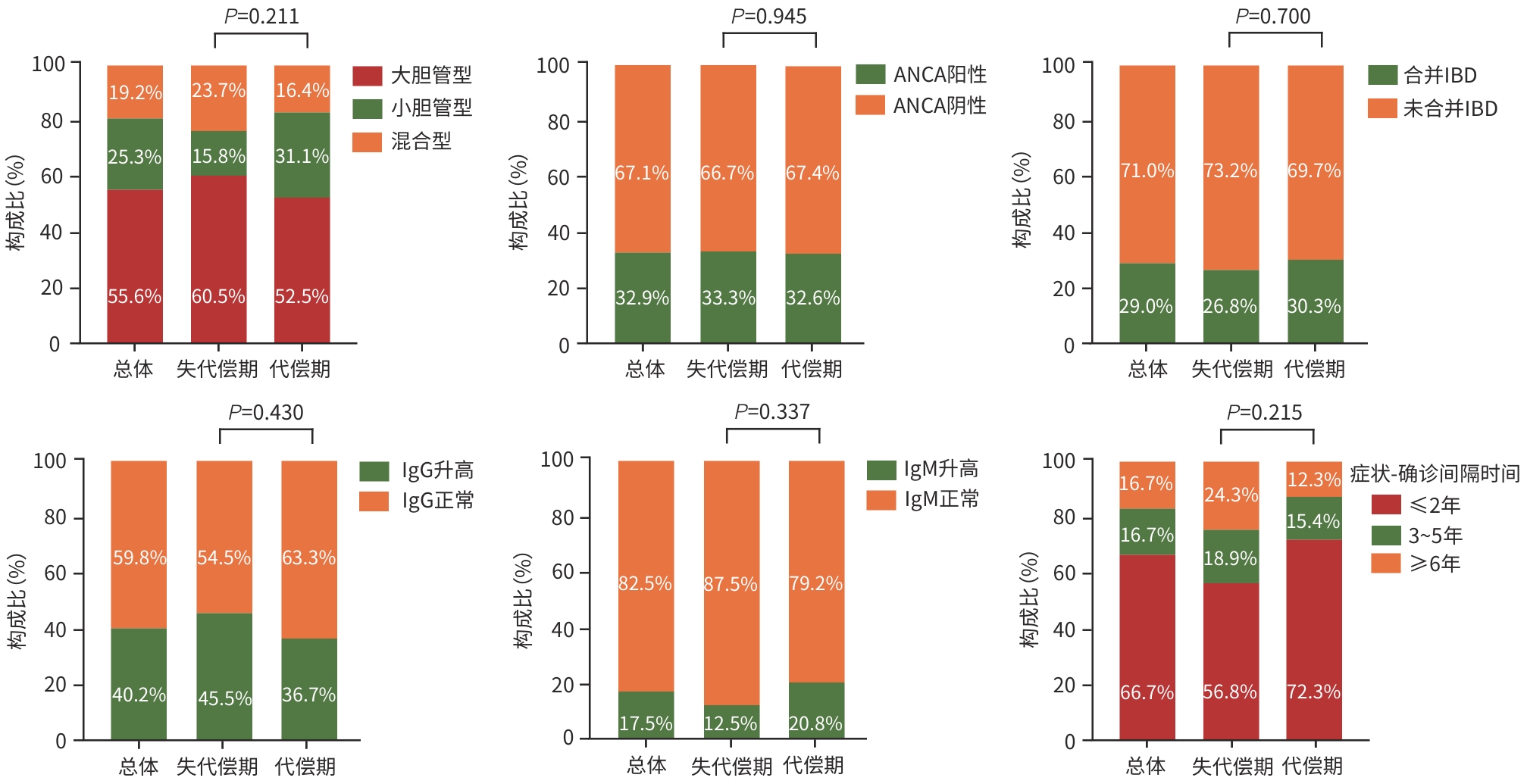
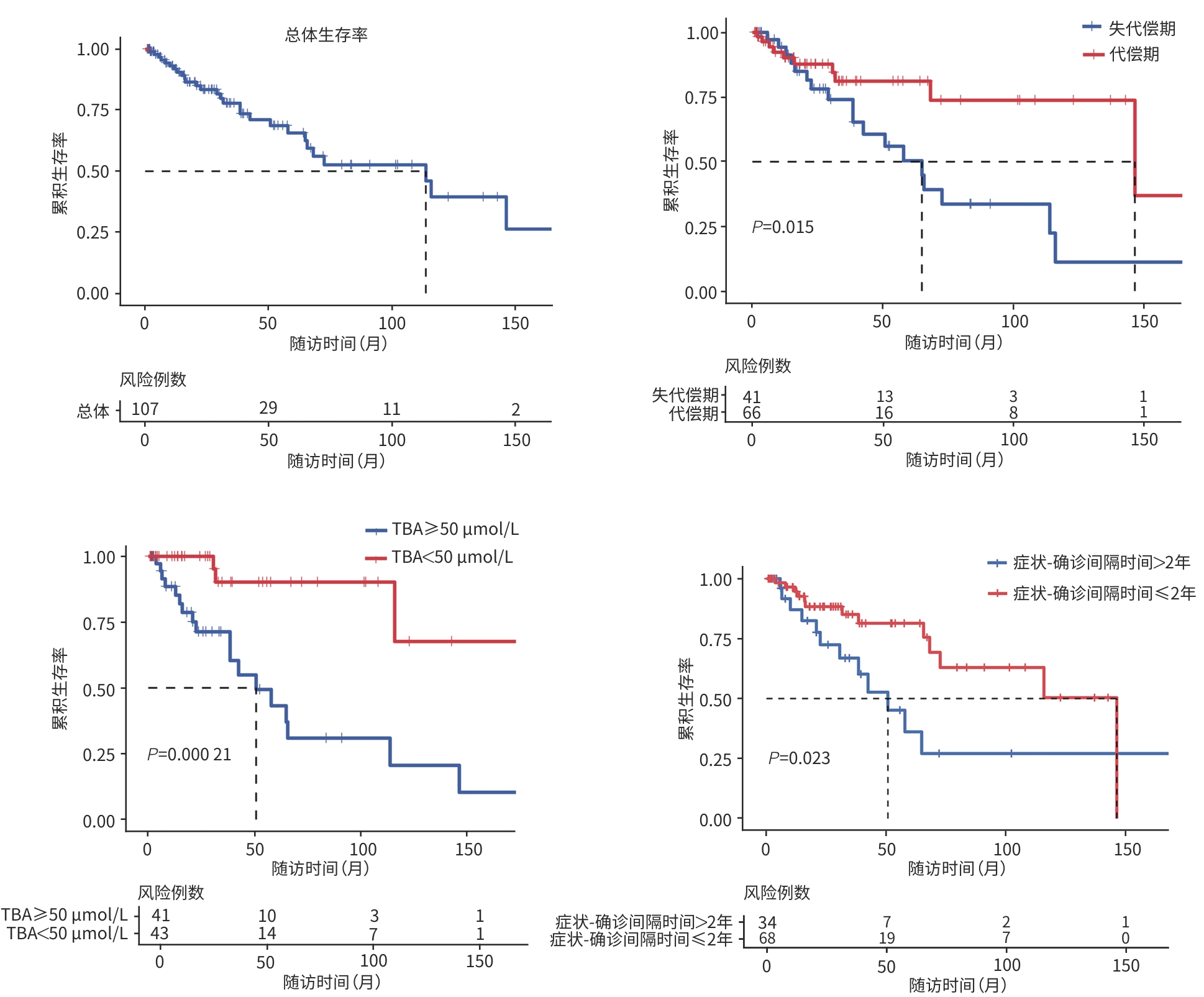
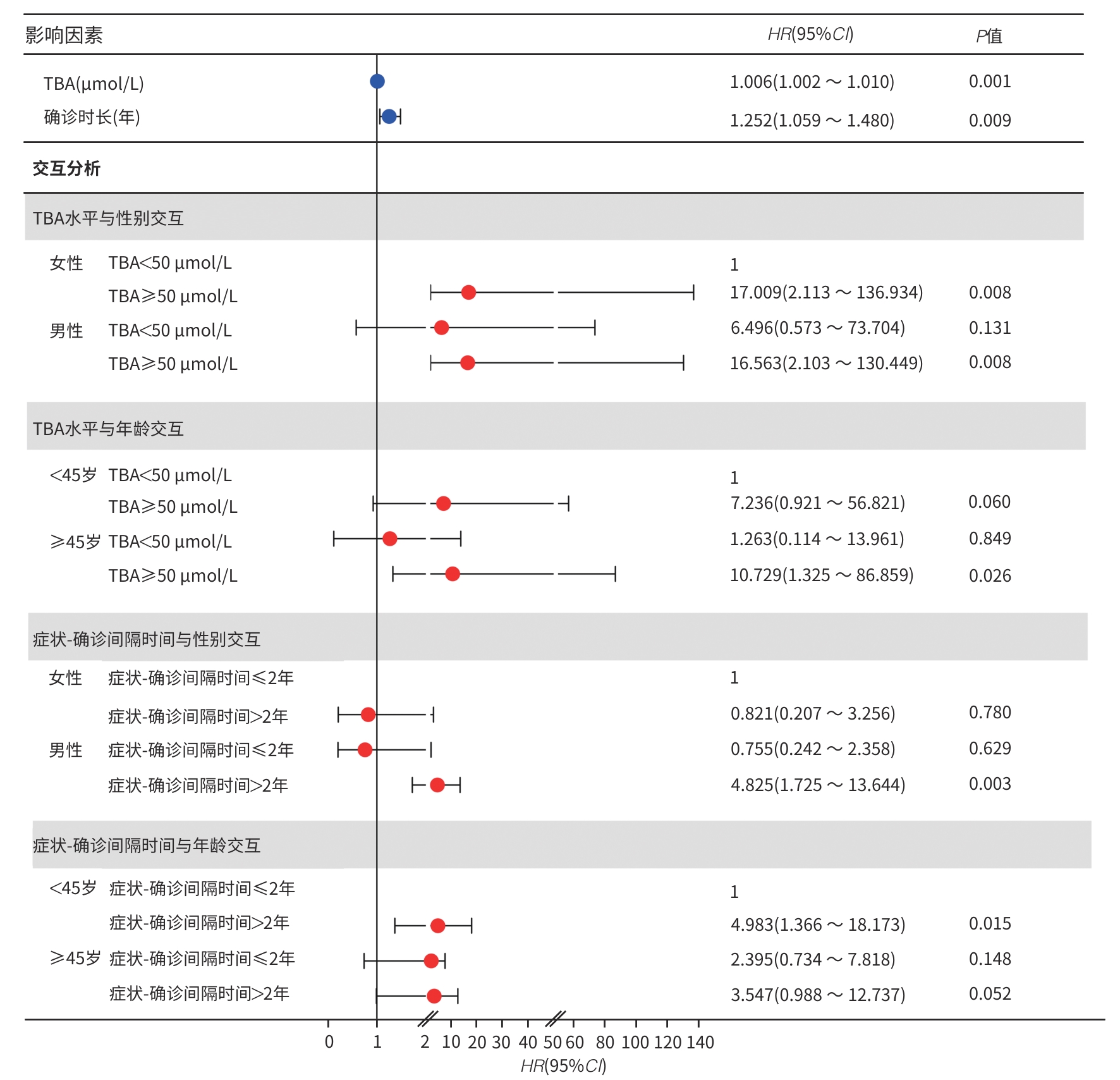
  Objective  To describe the clinical features of patients with primary sclerosing cholangitis (PSC) in China based on a nationwide multicenter patient cohort, and to investigate the risk factors for prognosis.  Methods  A retrospective cohort study was conducted among the patients with a confirmed diagnosis of PSC based on the electronic medical record system of seven grade A tertiary hospitals across the country, and related data were extracted. The Mann-Whitney U test was used for comparison of continuous data between groups, and the chi-square test was used for comparison of categorical data between groups. The Kaplan-Meier method was used to estimate liver transplant-free survival, and the log-rank test was used for comparison of survival rate between PSC patients with different features. The Cox regression model was used to identify independent risk factors for the prognosis of PSC patients and the interactions between key factors.  Results  A total of 107 patients were enrolled, among whom 55.6% (55/99) had large-duct PSC and 29.0% (31/107) had comorbidity with inflammatory bowel disease (IBD). The positivity rate of anti-neutrophil cytoplasmic antibody (ANCA) was 32.9% (24/73), and 50.0% (40/80) of the patients had an increase in IgG/IgM. The median symptom-to-diagnosis interval was 1 year (<1‍ ‍—‍ ‍4.0), and 38.3% (41/107) of the patients had progressed to decompensated cirrhosis at the time of diagnosis. The median liver transplant-free survival time was 114 months (95% confidence interval [CI]:62‍ ‍—‍ ‍166), with a 5-year survival rate of 65.7%. The multivariate analysis showed that an increase in total bile acid (TBA) (hazard ratio [HR]=1.006,95%CI:1.002‍ ‍—‍ ‍1.010,P=0.001) and a prolonged symptom-to-diagnosis interval (HR=1.252,95%CI:1.059‍ ‍—‍ ‍1.480,P=0.009) were independent risk factors for prognosis. The interaction analysis showed that compared with the female patients with TBA<50 μmol/L, both male and female patients with TBA≥50 μmol/L had a significant increase in the risk of liver transplantation or death (male:HR=16.563,95%CI:2.103‍ ‍—‍ ‍130.449,P<0.001; female: HR=17.009,95%CI:2.113‍ ‍—‍ ‍136.934,P<0.001), and compared with the patients with an age of <45 years and a TBA level of <50 μmol/L, the patients with an age of ≥45 years and a TBA level of≥50 μmol/L had a significant increase in the risk of liver transplantation or death (HR=10.729,95%CI:1.325‍ ‍—‍ ‍86.859,P=0.026). Compared with the female patients with an symptom-to-diagnosis interval of≤2 years, the male patients with a symptom-to-diagnosis interval of>2 years had an increased risk of liver transplantation or death (HR=4.825,95%CI:1.725‍ ‍—‍ ‍13.644,P=0.003), and compared with the patients with an age of<45 years and a symptom-to-diagnosis interval of≤2 years, the patients with an age of<45 years and a symptom-to-diagnosis interval of>2 years had an increased risk of liver transplantation or death (HR=4.983,95%CI:1.366‍ ‍—‍ ‍18.173,P=0.015).  Conclusion  Compared with the reports from Western countries, large-duct PSC is also the main type of PSC in China, but with a relatively low proportion, and there is also a relatively low proportion of patients with IBD or positive ANCA. An increase in TBA and a prolonged symptom-to-diagnosis interval are independent risk factors for prognosis, with significant interactions with age and sex. This suggests that early screening and intervention should be enhanced to improve prognosis.
Risk factors and prediction models for primary biliary cholangitis comorbid with Sjögren’s syndrome
Shu CHEN, Jie CHEN, Xin CHANG, Jian WU
2025, 41(7): 1344-1350. DOI: 10.12449/JCH250718
Abstract(427) HTML (181) PDF (1162KB)(52)
Abstract:
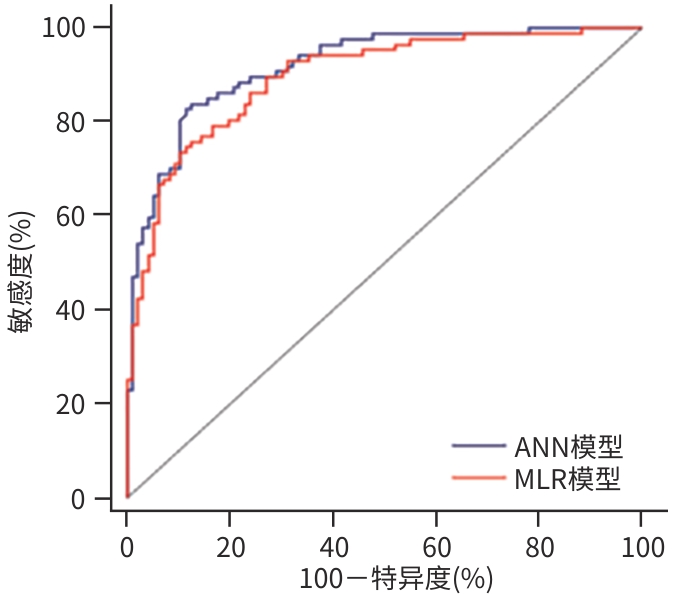
  Objective  To investigate the risk factors associated with the coexistence of Sjögren’s syndrome (SS) in patients with primary biliary cholangitis (PBC), and to develop and compare diagnostic prediction models for the comorbidity of the two conditions.  Methods  A total of 183 patients first diagnosed with PBC at The First Affiliated Hospital of Soochow University from January 2012 to April 2023 were included. They were divided into two groups based on the presence or absence of SS: those with PBC alone(n=96)and those with PBC accompanied by SS(n=87). Clinical manifestations, serological antibody results, and laboratory parameters were compared between the two groups. Continuous data were compared using the t-test or Mann-Whitney U test, while categorical data were compared using the chi-square test. The risk factors for the presence of SS in PBC were identified through a multivariable Logistic regression analysis. Subsequently, an artificial neural network (ANN) model and a multiple logistic regression (MLR) model were constructed to predict the presence of SS in PBS. The receiver operating characteristic curve was plotted in MedCalc, and the area under the curve (AUC) was compared using the Delong test.  Results  Serum IgG level (odds ratio [OR]=1.600, 95% confidence interval [CI]:1.364‍ ‍— ‍‍1.876,P<0.001) was an independent risk factor, while serum total bilirubin level (OR=0.760,95%CI:0.700‍ ‍— ‍‍0.811,P=0.005) was an independent protective factor against the presence of SS in patients with PBC. The AUCs of the ANN model and the MLR model diagnosing SS in PBC were 0.919 (95%CI:0.870‍ ‍— ‍‍0.954) and 0.896 (95%CI:0.843‍ ‍— ‍‍0.936), respectively, both showing good predictive efficacy, and the predictive efficacy of the ANN model was significantly better than that of the MLR model (P=0.019 2).  Conclusion  Patients with PBC complicated by SS usually present at an early stage with mild symptoms during their initial medical consultation, when early diagnosis and treatment are beneficial for their prognosis. For patients with PBC showing high serum IgG levels at the first diagnosis or consultation, SS screening is necessary.
Therapeutic effects of dental pulp stem cells in a mouse model of autoimmune hepatitis and related immunoregulatory mechanisms
Yin LI, Xiaodong LI, Guangyuan SONG, Wanwan SHI, Guiqiang WANG
2025, 41(7): 1351-1357. DOI: 10.12449/JCH250719
Abstract(424) HTML (189) PDF (6205KB)(39)
Abstract:
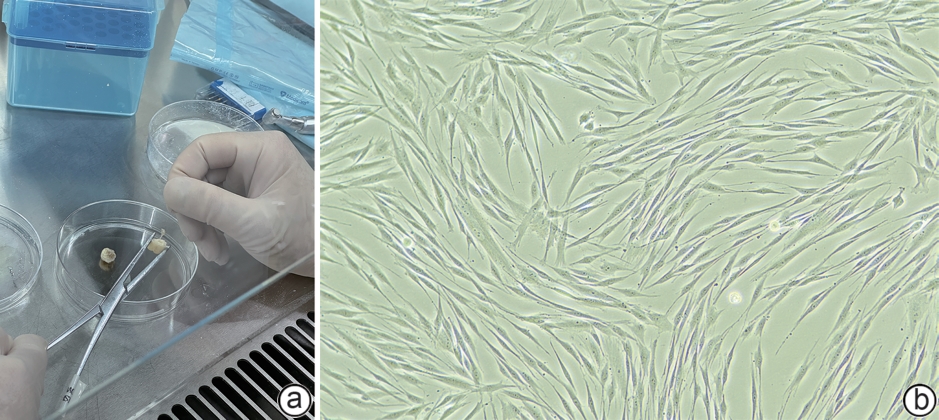
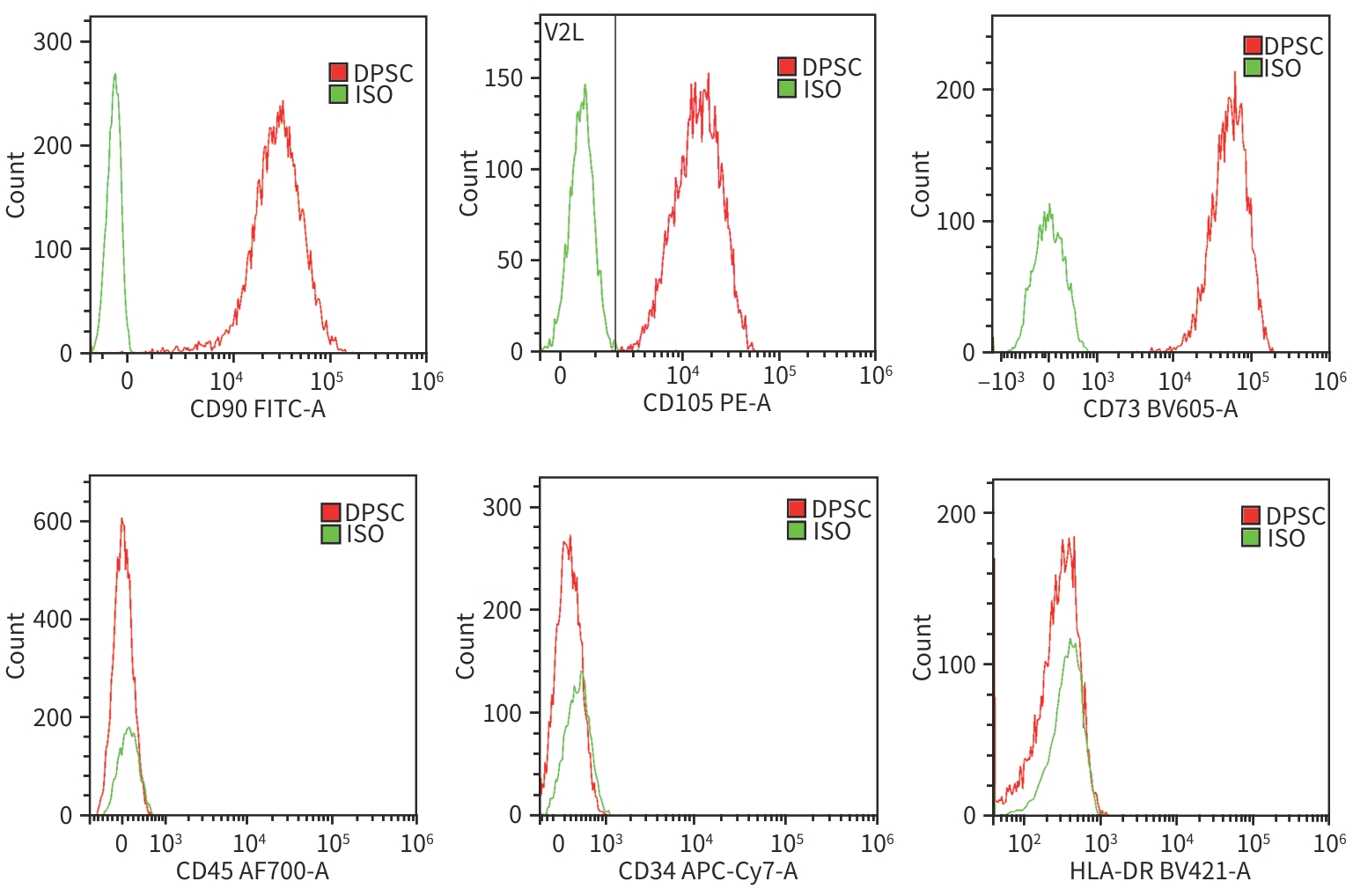
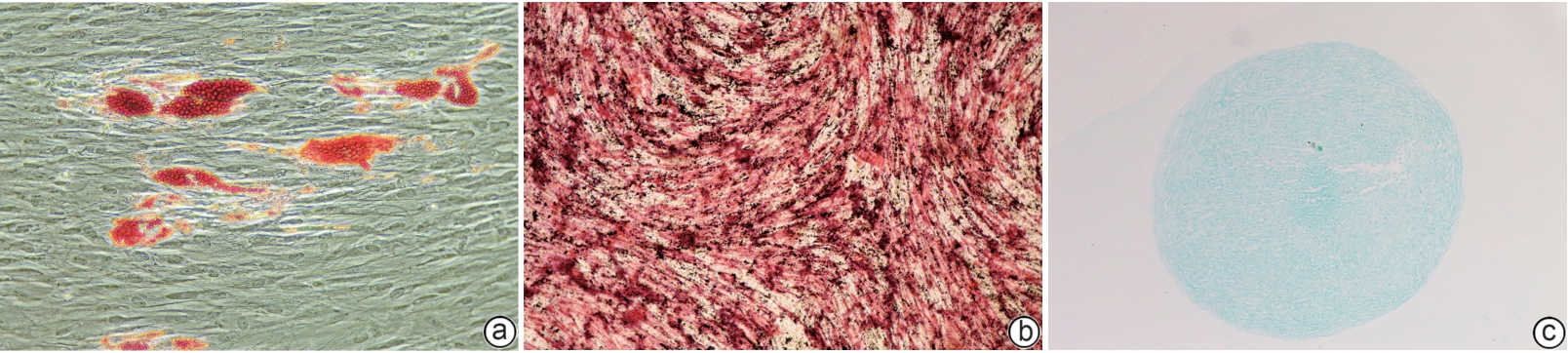
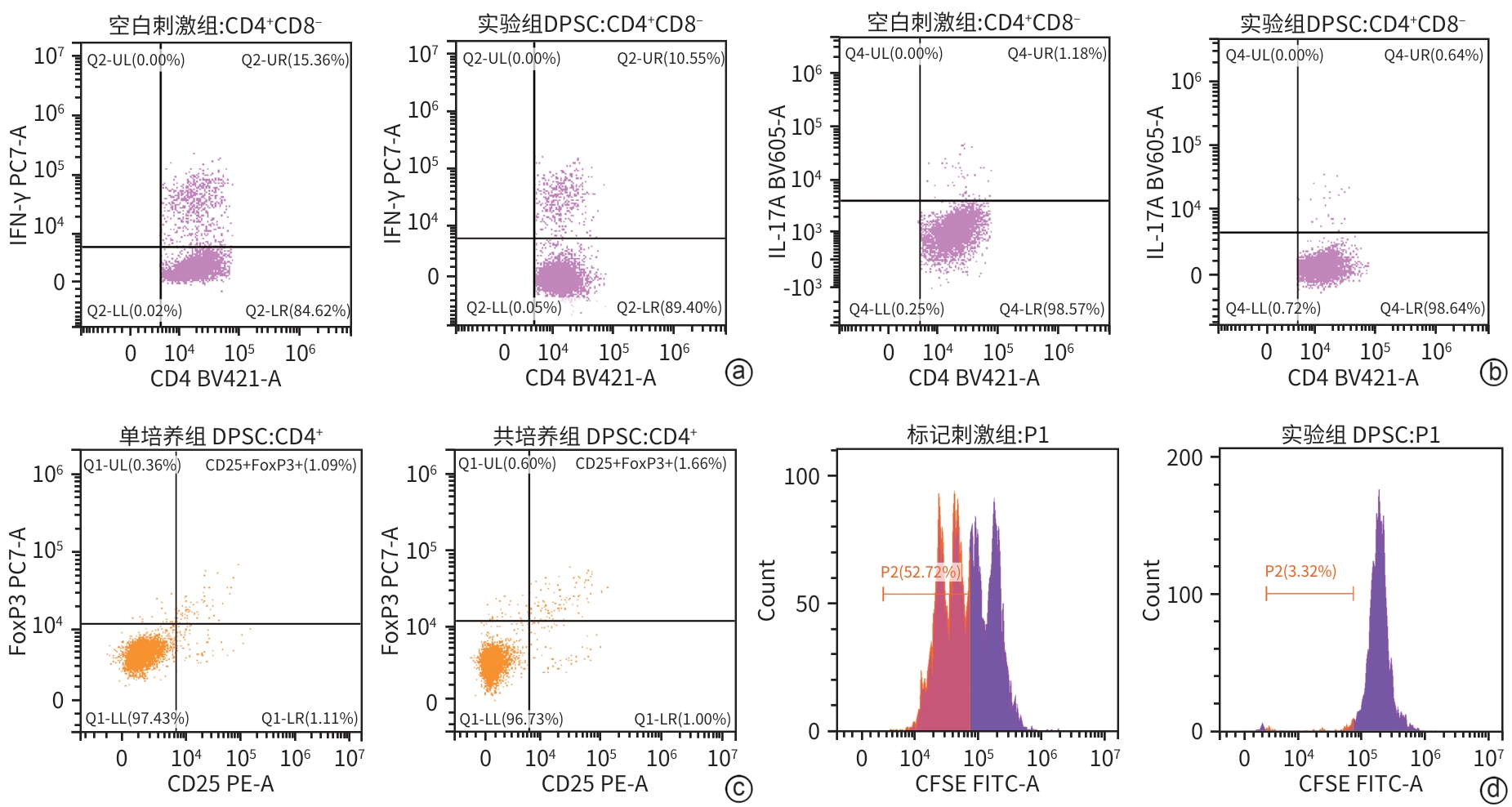
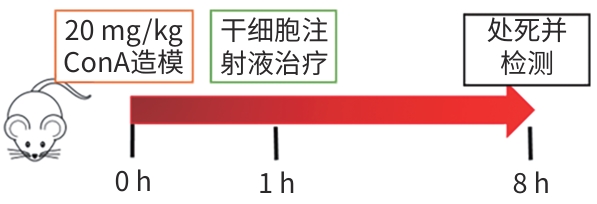
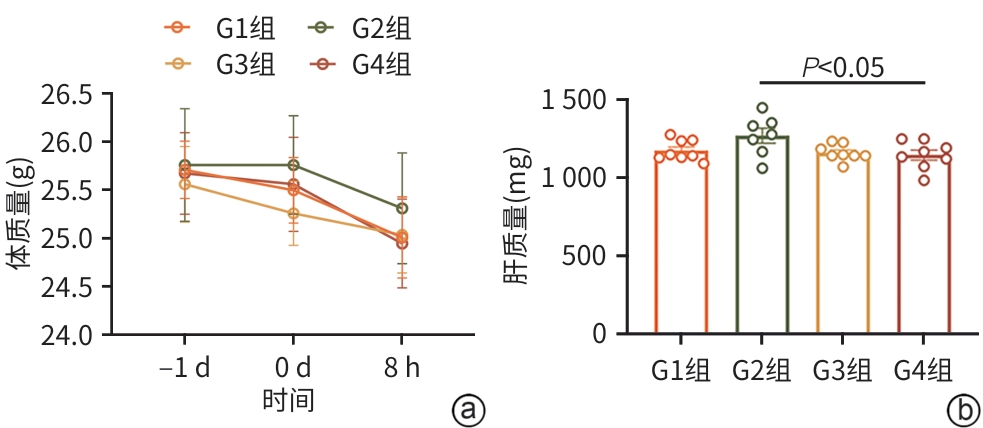
  Objective  To investigate the therapeutic effect of dental pulp stem cells (DPSCs) on autoimmune hepatitis in invivo and in vitro experiments and the related mechanism.  Methods  An in vitro co-culture system was used to evaluate the immunoregulatory effect of DPSCs, and 32 mice were randomly divided into healthy control group, model group, positive drug group, and DPSCs treatment group, with 8 mice in each group. The serum levels of alanine aminotransferase (ALT), aspartate aminotransferase (AST), and inflammatory factors were measured, and HE staining was used to assess liver pathological injury. An analysis of variance was used for comparison of normally distributed continuous data between multiple groups, and the least significant difference t-test was used for further comparison between two groups.  Results  The in vitro experiment showed that the positive rates of CD105, CD73, and CD90 in DPSCs were 99.97%, 100%, and 99.53%, respectively, while the positive rates of CD34, HLA-DR, and CD45 were 0.56%, 0.17%, and 0, respectively. DPSCs significantly inhibited the proliferation of Th1 and Th17 subsets, with inhibition rates of 31.32% and 45.76%, respectively; DPSCs promoted the proliferation of Treg (CD4+CD25+FoxP3+), with a promoting rate of 52.29%. DPSCs had an inhibition rate of 93.70% on the proliferation of lymphocytes. In the mouse model of autoimmune hepatitis, compared with the model group, the DPSCs treatment group had significant reductions in the serum levels of ALT and AST, with reduction rates of 66.8% and 60.0%, respectively (t=3.321 and 2.907, P=0.007 5 and 0.017 5) and significant reductions in the inflammatory factors tumor necrosis factor-α and interleukin-1β, with reduction rates of 57.5% and 71.3%, respectively (t=2.484 and 2.796, P=0.039 8 and 0.020 6), and histopathological examination showed no significant improvement in periportal bridging necrosis (t=1.969, P=0.098).  Conclusion  DPSCs effectively alleviate immune-mediated liver injury through immunoregulation, which provides an experimental basis for clinical translation.
Liver Fibrosis and Liver Cirrhosis
Association between liver radiodensity and the degree of liver fibrosis in patients with chronic hepatitis B
Zheyu LI, Lili WANG, Xiaoyue ZHANG, Cuifang HE, Min LI, Shan WANG, Xiaoqin GAO, Longzhen SHI, Jianjun JIN, Liting ZHANG, Junfeng LI
2025, 41(7): 1358-1363. DOI: 10.12449/JCH250720
Abstract(356) HTML (143) PDF (838KB)(34)
Abstract:
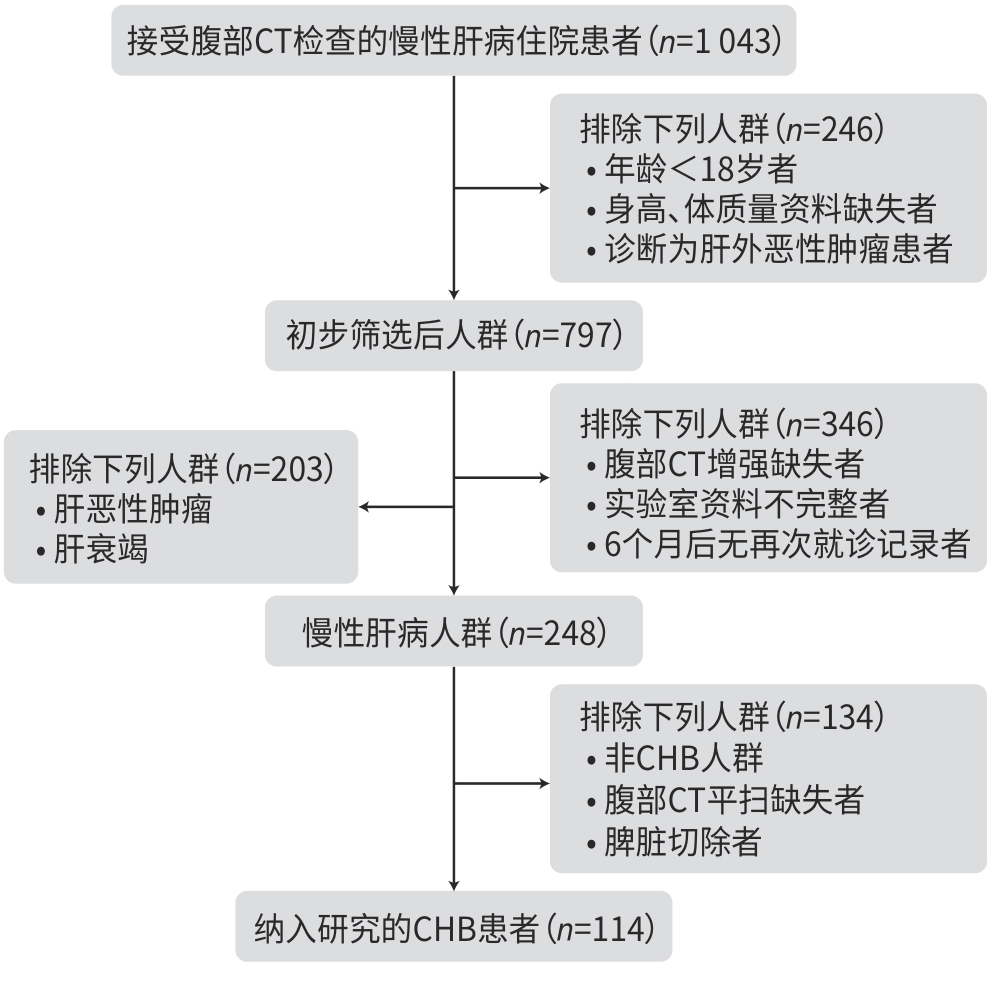
  Objective  To investigate the association of liver radiodensity with the degree and progression of liver fibrosis in patients with chronic hepatitis B (CHB).  Methods  A retrospective cohort study was conducted among 114 CHB patients who were hospitalized in The First Hospital of Lanzhou University from January to December 2019, and related clinical data were collected, including laboratory tests and abdominal CT. The metabolic characteristics of the patients were assessed, and liver radiodensity was measured. An analysis of variance was used for comparison of normally distributed continuous data between three groups, and the Kruskal-Wallis H rank sum test was used for comparison of continuous data with skewed distribution between three groups; the chi-square test or the Fisher’s exact test was used for comparison of categorical data between three groups. A logistic regression analysis was used to investigate the influencing factors for the degree of liver fibrosis, and the Cox proportional-hazards regression model analysis was used to investigate the influencing factors for the progression of liver fibrosis in CHB.  Results  Among the 114 patients enrolled, 43 (37.72%) had no liver cirrhosis, 30 (26.32%) were suspected of liver cirrhosis, and 41 (35.96%) had liver cirrhosis, with a median follow-up time of 538.5 (322.75 — 1 031.50) days. Liver radiodensity on plain scan (odds ratio [OR]=0.81, 95% confidence interval [CI]: 0.68 — 0.97, P=0.025), liver radiodensity on contrast-enhanced scan (OR=0.95, 95%CI: 0.90 — 0.99, P=0.037), and liver volume (OR=0.99, 95%CI: 0.98 — 0.99, P<0.001) were independent influencing factors for the degree of liver fibrosis. The univariate Cox regression analysis showed that the low level of HDL (hazard ratio=2.81, 95%CI: 1.04 — 7.54, P=0.041) was associated with the progression of liver fibrosis in CHB patients, and the degree of liver fibrosis, liver volume, and liver radiodensity showed no significant association with the progression of liver fibrosis (all P>0.05).  Conclusion  In CHB patients, liver radiodensity is an independent influencing factor for the degree of liver fibrosis, and low HDL has a marked influence on the progression of liver fibrosis.
Influencing factors for recompensation in patients with decompensated hepatitis B cirrhosis
Danqing XU, Yingyuan ZHANG, Huan MU, Caifen SA, Chunyan MOU, Yuanzhen WANG, Weikun LI, Li LIU
2025, 41(7): 1364-1370. DOI: 10.12449/JCH250721
Abstract(433) HTML (112) PDF (1324KB)(60)
Abstract:
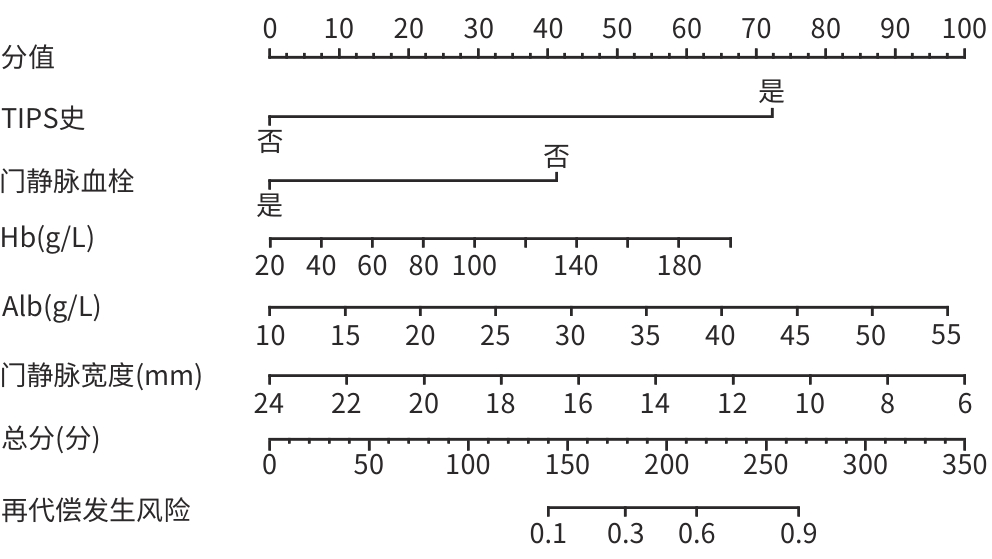
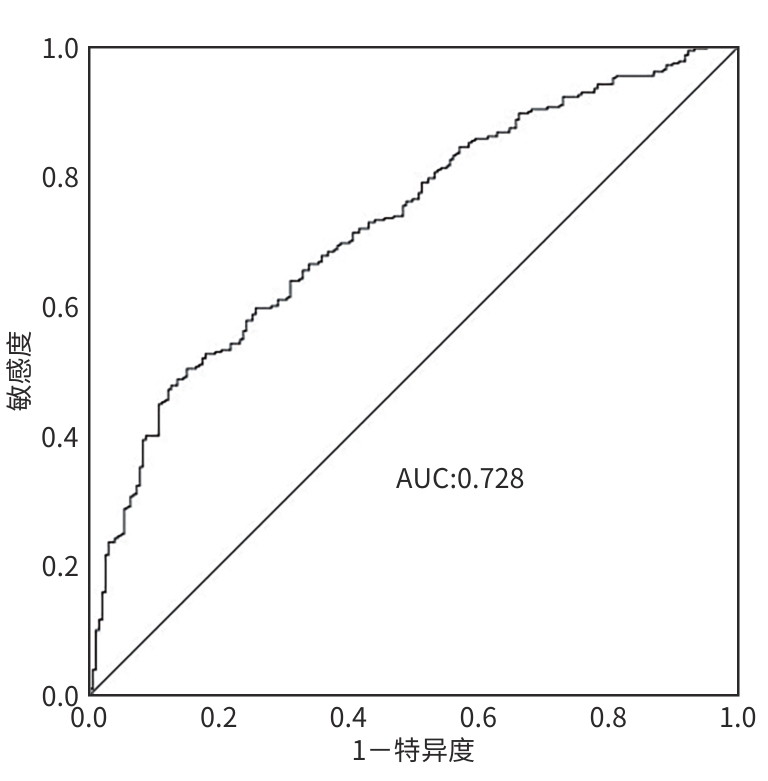
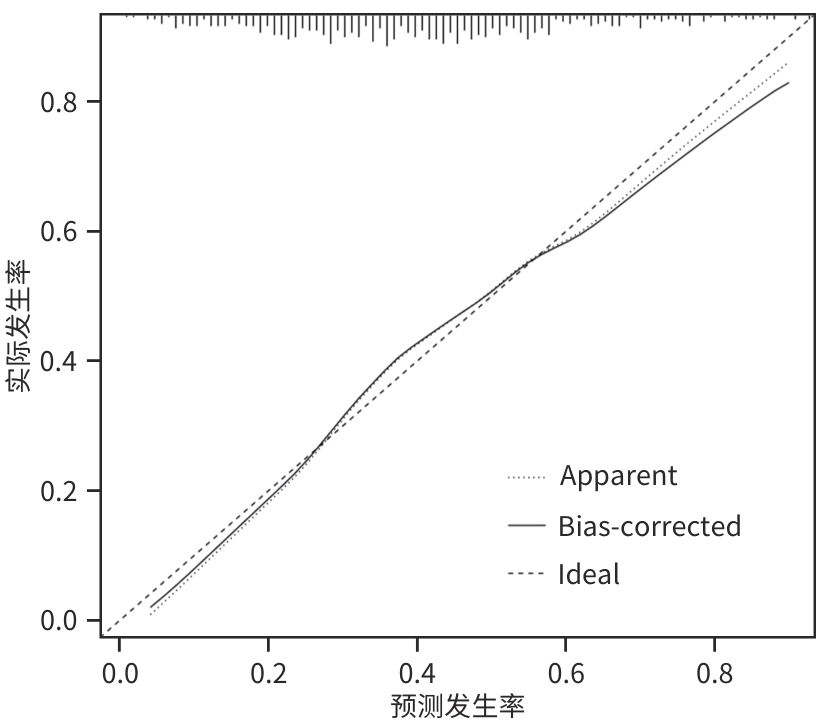
  Objective  To investigate the influencing factors for recompensation in patients with decompensated hepatitis B cirrhosis, and to establish a predictive model.  Methods  A total of 517 patients who attended The Third People’s Hospital of Kunming and were diagnosed with decompensated hepatitis B cirrhosis from January 1, 2016 to December 31, 2022 were enrolled. The clinical data of the patients were reviewed, and the 207 patients with no portal hypertension-related complications within at least 1 year were enrolled as recompensation group, while the 310 patients without recompensation were enrolled as persistent decompensation group. Related clinical data were collected, and the univariate and multivariate Cox regression analyses were performed for the factors that might affect the occurrence of recompensation. The independent-samples t test was used for comparison of normally distributed continuous data between two groups, and the Mann-Whitney U test was used for comparison of non-normally distributed continuous data between two groups; the chi-square test or the Fisher’s exact test was used for comparison of categorical data between two groups. The “rms” package was used to establish a nomogram; the receiver operating characteristic (ROC) curve was plotted, and the area under the ROC curve (AUC) was calculated; the Hosmer-Lemeshow test was used to evaluate the degree of fitting of the model; the “Calibration Curves” package was used to plot the calibration curve for model assessment.  Results  Among the patients with decompensated hepatitis B cirrhosis, 207 (40.03%) had recompensation. The univariate Cox regression analysis showed that there were significant differences between the recompensation group and the persistent decompensation group in TIPS history, genotyping, portal vein thrombosis, complicated infection, Child-Pugh class, age, hemoglobin (Hb), platelet count, total protein, albumin (Alb), alanine aminotransferase, triglyceride, cholesterol, creatinine, Na, interleukin-6, high-sensitivity C-reactive protein, portal vein width, and portal vein velocity (all P<0.05). The multivariate regression analysis showed that TIPS history (hazard ratio [HR]=2.491, 95% confidence interval [CI]: 1.325‍ ‍—‍ ‍4.681, P=0.005), portal vein thrombosis (HR=0.345, 95%CI: 0.152‍ ‍—‍ ‍0.783, P=0.001), Hb (HR=1.007, 95%CI: 1.000‍ ‍—‍ ‍1.013, P=0.028), Alb (HR=1.048, 95%CI: 1.017‍ ‍—‍ ‍1.080, P=0.002), and portal vein width (HR=0.899, 95%CI: 0.835‍ ‍—‍ ‍0.967, P=0.004) were independent influencing factors for recompensation in patients with decompensated hepatitis B cirrhosis. A nomogram model was established based on the above five influencing factors, and the Hosmers-Lemeshow test showed that this model had a good degree of fitting (χ²=3.202, P=0.921). The nomogram model had an AUC of 0.728, a sensitivity of 50.3%, and a specificity of 85.0%, and the calibration curve showed good consistency between the actual value of this model in predicting the occurrence of recompensation and the predicted value in patients with decompensated hepatitis B cirrhosis.  Conclusion  Patients with decompensated hepatitis B cirrhosis who have a history of TIPS and high levels of Alb and Hb are more likely to have recompensation, and it is relatively difficult for patients with portal vein thrombosis and an increase in portal vein width to achieve recompensation.
Predictive value of QTc for short-term prognosis in patients with cirrhotic ascites
Ye LI, Shenghao LI, Qingqing WANG, Lu ZHANG, Yanmin ZHENG
2025, 41(7): 1371-1379. DOI: 10.12449/JCH250722
Abstract(385) HTML (153) PDF (1760KB)(30)
Abstract:
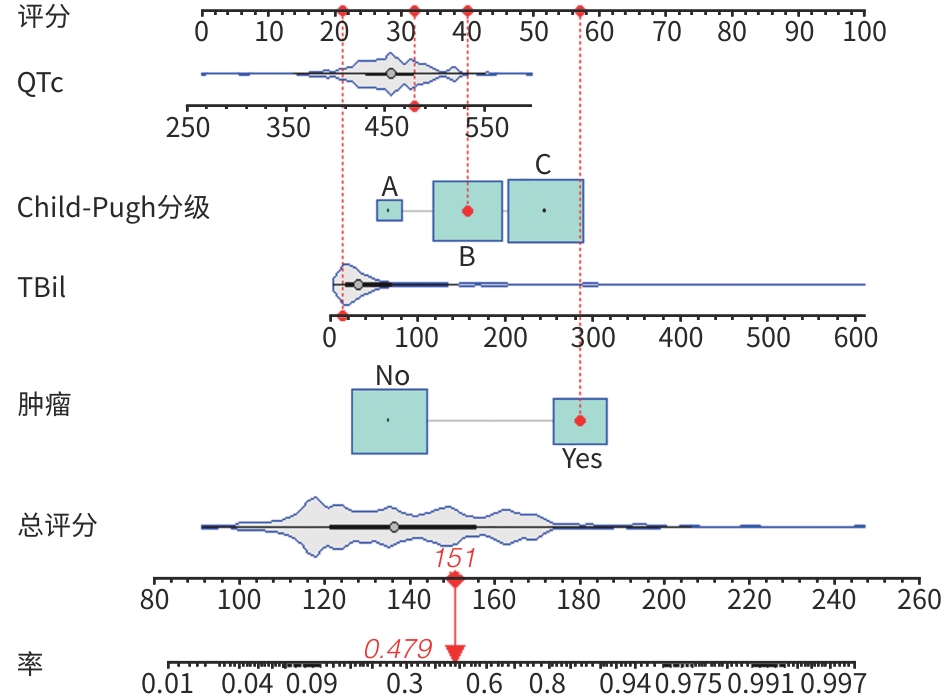
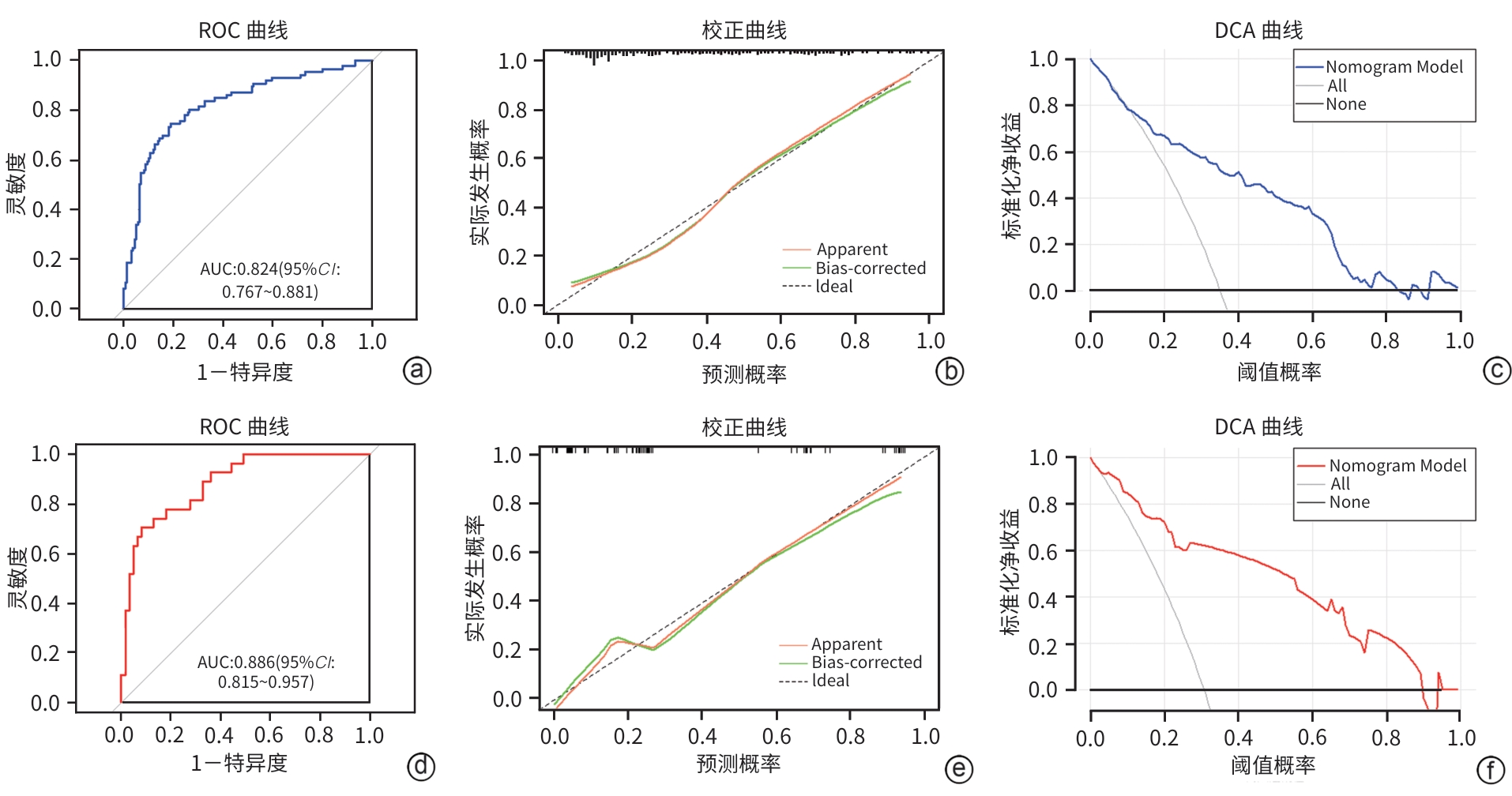
  Objective  To explore the relationship between corrected QT interval (QTc) and short-term mortality rate in patients with cirrhotic ascites and the predictive value of QTc combined with Child-Pugh class for short-term death.  Methods  Patients hospitalized with cirrhotic ascites from October 2022 to March 2024 were selected as study subjects (training set, n=245), and similar patients from April to October 2024 were included for external validation (validation set, n=88). Patients’ demographic data, basic clinical data, and first electrocardiography related indicators on admission were collected. Patients were divided into a death group and a survival group according to the 30-day follow-up result. The influencing factors for prognosis were explored by Lasso regression and univariate and multivariate binary logistic regression. A death risk nomogram model was constructed and evaluated by receiver operating characteristic curve (ROC curve), calibration curve, and decision curve. Data were analyzed for normality using Shapiro-Wilk test. Pairwise comparison for continuous data that were normally distributed was conducted by the independent-samples t test. Pairwise comparison for continuous data that were not normally distributed was conducted by the Mann-Whitney U test. Pairwise comparison for categorical data was performed using the chi-square test.  Results  The mortality rates were 35.1% (86/245) in the training set and 30.7% (27/88) in the validation set. Lasso regression showed that combined tumor, QTc, hematocrit, total bilirubin (TBil), direct bilirubin, alkaline phosphatase, albumin, cholinesterase, high-density lipoprotein cholesterol, carcinoembryonic antigen, international normalized ratio, model for end-stage liver disease (MELD), and Child-Pugh class were potential influencing factors for 30-day death in patients with cirrhotic ascites. Univariate and multivariate logistic regression showed that QTc (odds ratio[OR]=1.010, 95% confidence interval [CI]:1.001‍ ‍—‍ ‍1.020,P=0.039), presence of tumor (OR=6.904,95%CI:2.997‍ ‍—‍ ‍12.391,P<0.001), TBil (OR=1.009,95%CI:1.004‍ ‍—‍ ‍1.014,P=0.001), and Child-Pugh class (OR= 2.532,95%CI:1.256‍ ‍—‍ ‍5.105,P=0.009) were independent risk factors for 30-day death in patients with cirrhotic ascites. For the nomogram model constructed based on the results of the multivariate logistic analysis, the area under the ROC curve in the training set was 0.824; the sensitivity and specificity were 81.1% and 74.4%, respectively; the Hosmer-Lemeshow goodness-of-fit test showed P=0.673; the mean absolute error of the calibration curve was 0.020. The area under the ROC curve in the validation set was 0.886; the sensitivity and specificity were 91.8% and 70.4%, respectively; the Hosmer-Lemeshow goodness-of-fit test showed P=0.965; the mean absolute error of the calibration curve was 0.032. With the threshold probability of 0.15 to 0.85, the decision curve suggested a good benefit. The area under the ROC curve of the predictive model (0.824) was greater than conventional MELD score (0.700), MELD-Na score (0.698), and Child-Pugh score (0.674) (all P<0.05).  Conclusion  QTc is an independent predictor of short-term death in patients with cirrhotic ascites, and the prognostic model including QTc and Child-Pugh class has a good predictive value for short-term mortality rate.
Liver Neoplasm
Association of Chinese visceral adiposity index and high-sensitivity C-reactive protein with the risk of digestive malignancies
Shuqing CUI, Chao MA, Jiaxing LI, Yunpeng LI, Ze WANG, Fei TIAN, Hong JI, Xinyu GE, Shouling WU, Xiangming MA
2025, 41(7): 1380-1387. DOI: 10.12449/JCH250723
Abstract(417) HTML (144) PDF (1028KB)(39)
Abstract:
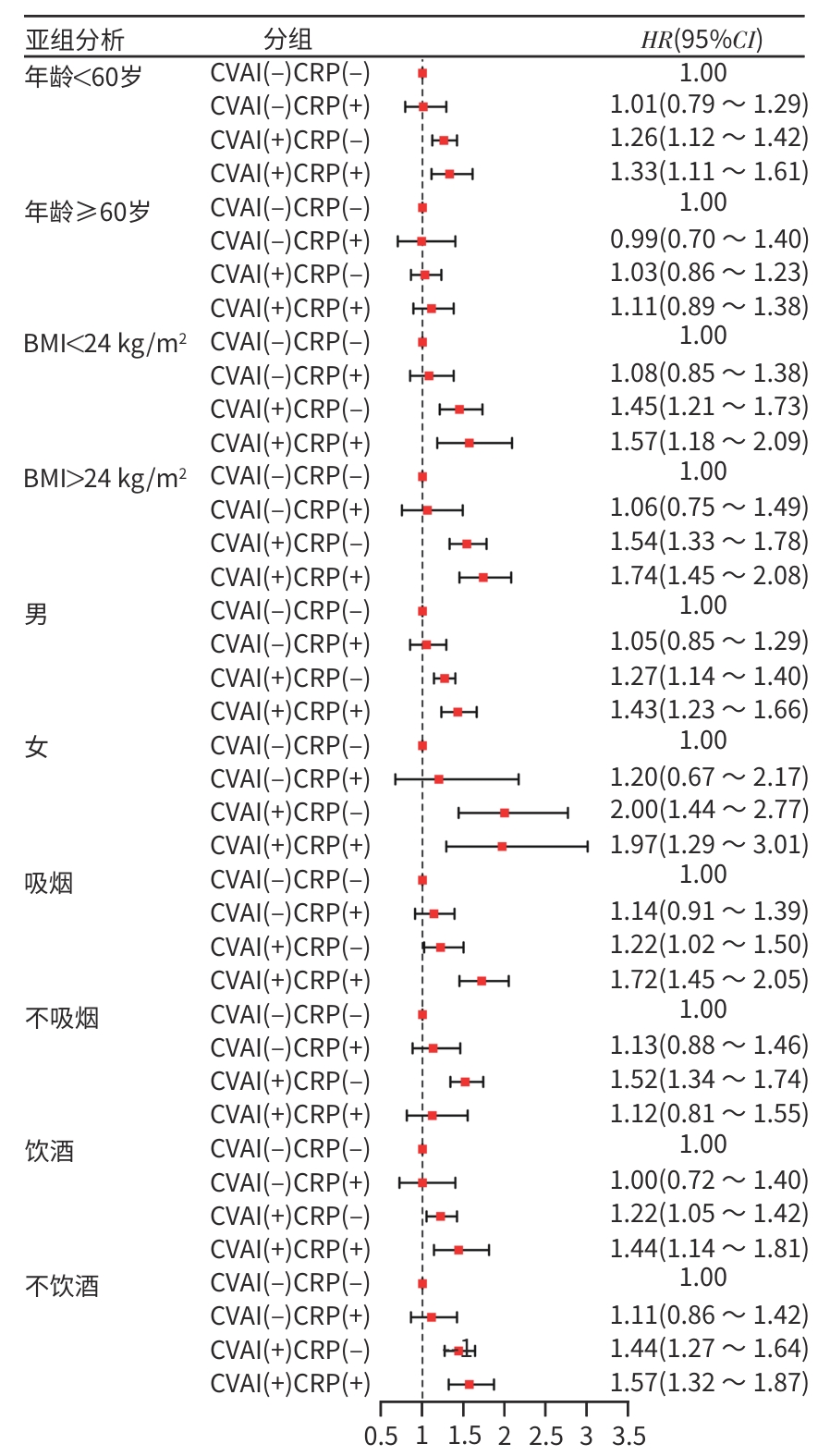
  Objective  To investigate the association of Chinese visceral adiposity index (CVAI) and high-sensitivity C-reactive protein (hs-CRP) with the risk of digestive malignancies in the Kailuan study population, and to provide a basis for the prevention and control of digestive malignancies in the population.  Methods  A prospective cohort study was conducted, and a total of 94 377 Kailuan workers who participated in the 2006 health examination, had no history of cancer, and had complete data on CVAI, CRP, and related covariates were selected as the observation cohort. According to the levels of CVAI and CRP, the subjects were divided into low CVAI+CRP≤3 mg/L group [CVAI(-)CRP(-) group], low CVAI+CRP>3 mg/L group [CVAI(-)CRP(+) group], high CVAI+CRP≤3 mg/L group [CVAI(+)CRP(-) group], and high CVAI+CRP>3 mg/L group [CVAI(+)CRP(+) group]. An analysis of variance was used for comparison of normally distributed continuous data between groups, and the non-parametric Kruskal-Wallis H test was used for comparison of continuous data with skewed distribution between groups; the chi-square test was used for comparison of categorical data between groups. The Cox proportional-hazards regression model was used to assess the impact of CVAI and CRP alone or in combination on the risk of digestive malignancies.  Results  There were significant differences between the four groups in age, male/female ratio, total cholesterol, triglycerides, high-density lipoprotein cholesterol, systolic blood pressure, diastolic blood pressure, fasting blood glucose, high-sensitivity C-reactive protein, waist circumference, body mass index, marital status, alcohol consumption, smoking, reported income, and physical exercise (all P<0.05). During a mean follow-up time of 14.08±2.76 years, 2 043 new-onset cases of digestive malignancies were identified by the end of follow-up on December 31, 2021. The Cox proportional-hazards regression model showed that after adjustment for CRP and other factors, compared with the low CVAI group, the high CVAI group had a hazard ratio (HR) of 1.34 (95% confidence interval [CI]: 1.23‍ ‍—‍ ‍1.47) for the risk of digestive malignancies. After adjustment for CVAI and other factors, compared with the CRP≤3 mg/L group, the CRP>3 mg/L group had an HR of 1.14 (95%CI: 1.02‍ ‍—‍ ‍1.28) for the risk of digestive malignancies. Compared with the CVAI(-)CRP(-) group (n=40 978), the CVAI(-)CRP(+) group (n=6 210), the CVAI(+)CRP(-) group (n=36 502), and the CVAI(+)CRP(+) group (n=10 687) had an HR of 1.05 (95%CI: 1.01‍ ‍—‍ ‍1.09,P<0.05), 1.32 (95%CI: 1.20‍ ‍—‍ ‍1.45, P<0.05), and 1.48 (95%CI: 1.28‍ ‍—‍ ‍1.70, P<0.05), respectively, for the risk of digestive malignancies. As for digestive malignancies at specific locations, the CVAI(+)CRP(+) group had an increased risk of liver cancer, gastric cancer, pancreatic cancer, colorectal cancer, and small intestinal cancer with an HR of 1.35 (95%CI: 1.05‍ ‍—‍ ‍1.81, P<0.05), 1.48 (95%CI: 1.09‍ ‍—‍ ‍2.00, P<0.05), 1.60 (95%CI: 1.07‍ ‍—‍ ‍2.41, P<0.05), 1.76 (1.40‍ ‍—‍ ‍2.21, P<0.05), and 3.85(95%CI:1.43‍ ‍—‍ ‍10.33, P<0.05), respectively.  Conclusion  A high level of CVAI, a high level of CRP, and high levels of CVAI and CRP in combination can all increase the risk of digestive malignancies, among which the high levels of CVAI and CRP in combination may lead to a higher risk.
Other Liver Disease
Short-term prognosis of patients with alcohol-related liver diseases-acute-on-chronic liver failure comorbid with infection
Yuhui PENG, Jing CHEN, Xiaoyan LIU, Chen LI, Manman SUN, Peng NING, Hui LI, Lilong YAN, Chongdan GUAN, Haibin SU
2025, 41(7): 1388-1393. DOI: 10.12449/JCH250724
Abstract(364) HTML (160) PDF (937KB)(41)
Abstract:
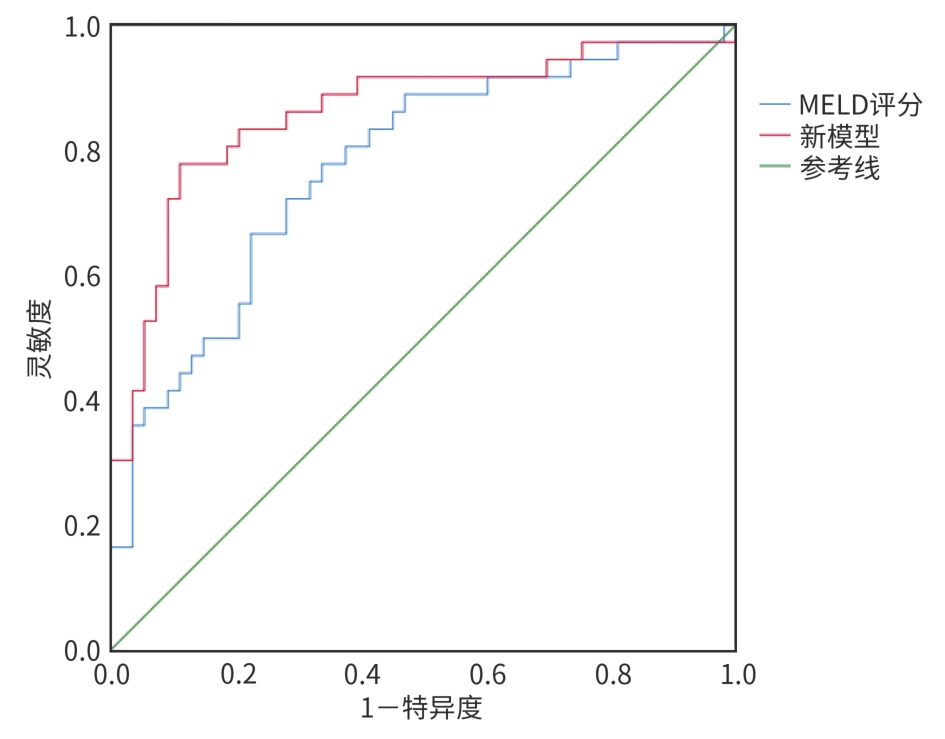
  Objective  To investigate the influencing factors for the short-term prognosis of patients with alcohol-related liver diseases-acute-on-chronic liver failure (ALD-ACLF) comorbid with infection.  Methods  A total of 89 ALD-ACLF patients with infection who were admitted to theFifth Medical Center of PLA General Hospital from January 2019 to December 2021 were enrolled as subjects, and related clinical data were collected at baseline (time of patient enrollment). According to the 28-day survival status of patients, they were divided into survival group with 53 patients and death group with 36 patients, and baseline clinical data were compared between the two groups. The t-test was used for comparison of normally distributed continuous data between groups, and the Wilcoxon rank-sum test was used for comparison of non-normally distributed continuous data between groups; the chi-square test was used for comparison of categorical data between groups. A non-conditional Logistic regression analysis was used to perform the multivariate analysis. The Z-test was used for comparison of the area under the ROC curve (AUC), and the diagnostic value of the model was assessed.  Results  Compared with the survival group, the death group had significantly higher hemoglobin (t=-2.397, P=0.019), alanine aminotransferase (Z=-3.437, P=0.001), gamma-glutamyl transpeptidase (Z=-2.617, P=0.009), creatinine (Z=-3.938, P<0.001), blood urea nitrogen (Z=-3.423, P=0.001), NH3Z=-4.406, P<0.001), international normalized ratio (Z=-3.428, P=0.001), C-reactive protein (Z=-2.128, P=0.033), procalcitonin (Z=-2.441, P=0.015), Model for End-Stage Liver Disease (MELD) score (t=-4.817, P<0.001), incidence rate of acute kidney injury (χ2=21.602, P<0.001), incidence rate of pulmonary infection (χ2=4.866, P=0.027), and incidence rate of shock (χ2=16.285, P<0.001), as well as significantly lower albumin (Z=-2.473, P=0.013) and incidence rate of abdominal infection (χ2=5.897, P=0.015). The multivariate analysis showed that NH3 (odds ratio [OR]=1.027, 95% confidence interval [CI]: 1.006‍ ‍—‍ ‍1.049, P=0.012), MELD score (OR=1.103, 95%CI: 1.011‍ ‍—‍ ‍1.203, P=0.027], and the incidence rate of shock (OR=6.326, 95%CI: 1.533‍ ‍—‍ ‍26.101, P=0.011) were independent risk factors for 28-day mortality in ALD-ACLF patients comorbid with infection. Based on these factors, a predictive model was established as Y=0.027×NH3+0.098×MELD score+1.845×shock-4.111. The ROC curve analysis showed that the new model had an AUC of 0.861, a sensitivity of 77.78%, and a specificity of 88.68%, while MELD score had an AUC of 0.776, a sensitivity of 77.78%, and a specificity of 67.92%, suggesting that the new model had a significantly higher diagnostic value than MELD score (Z=2.136, P=0.032 6).  Conclusion  ALD-ACLF patients with infection tend to have a poor short-term prognosis, and MELD score, NH3, and shock are influencing factors for the short-term prognosis of such patients. The combination of these three factors has a high value in predicting short-term prognosis.
Protective effect of high-altitude hypoxia acclimatization against hepatic ischemia-reperfusion injury in rats: A study based on the adenosine monophosphate-activated protein kinase/Unc-51 like autophagy activating kinase 1 signaling pathway
Xin XIA, Zhiyu LIN, Huan LEI, Yuchuan LUO, Rude CHEN, Tao WANG
2025, 41(7): 1394-1400. DOI: 10.12449/JCH250725
Abstract(401) HTML (110) PDF (3041KB)(30)
Abstract:
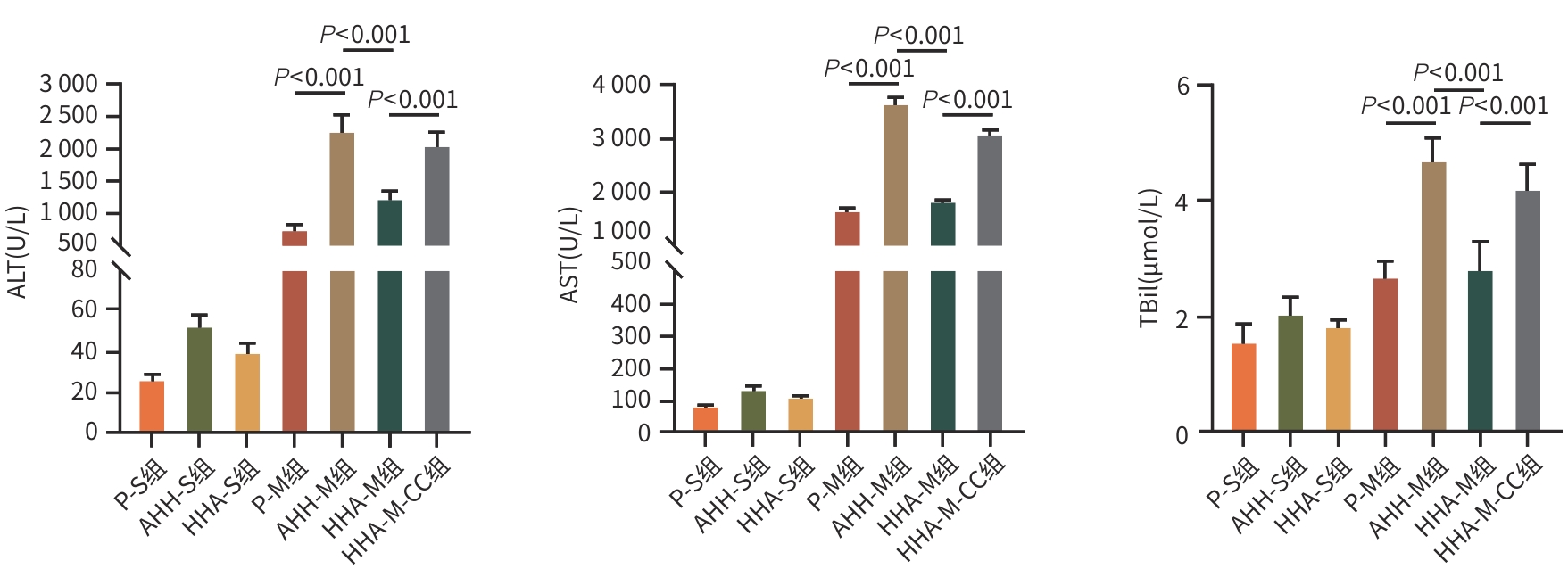
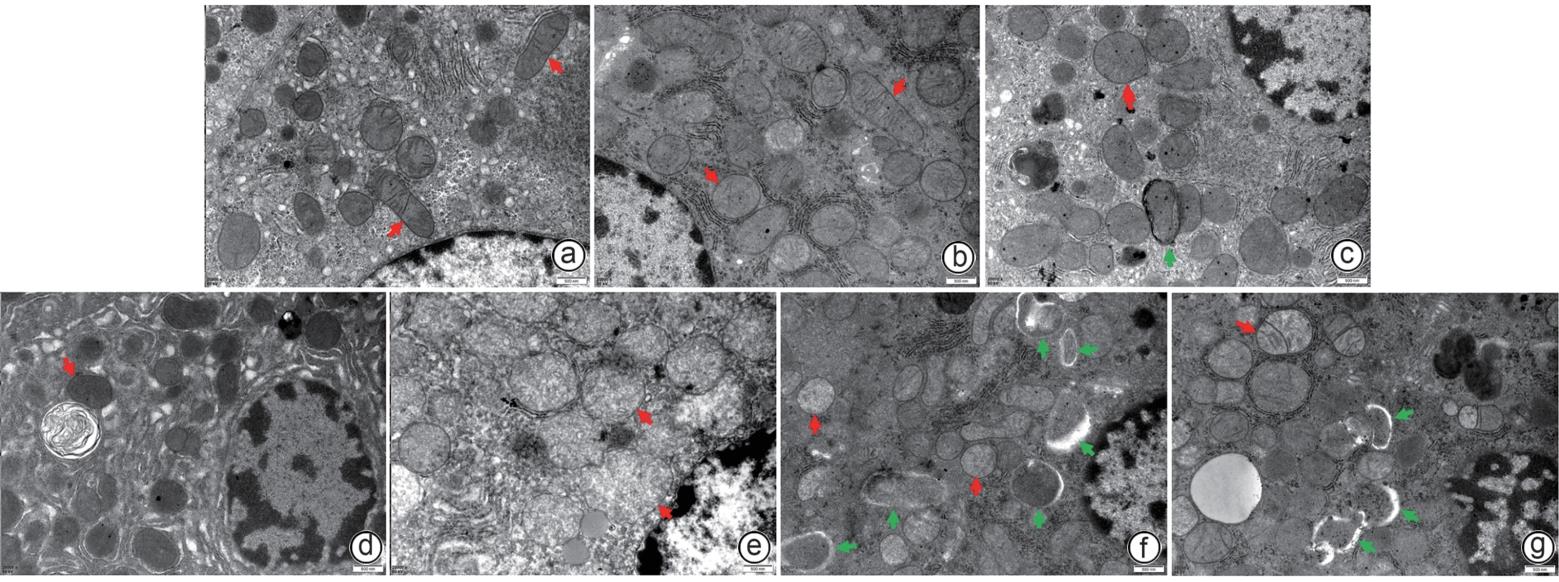
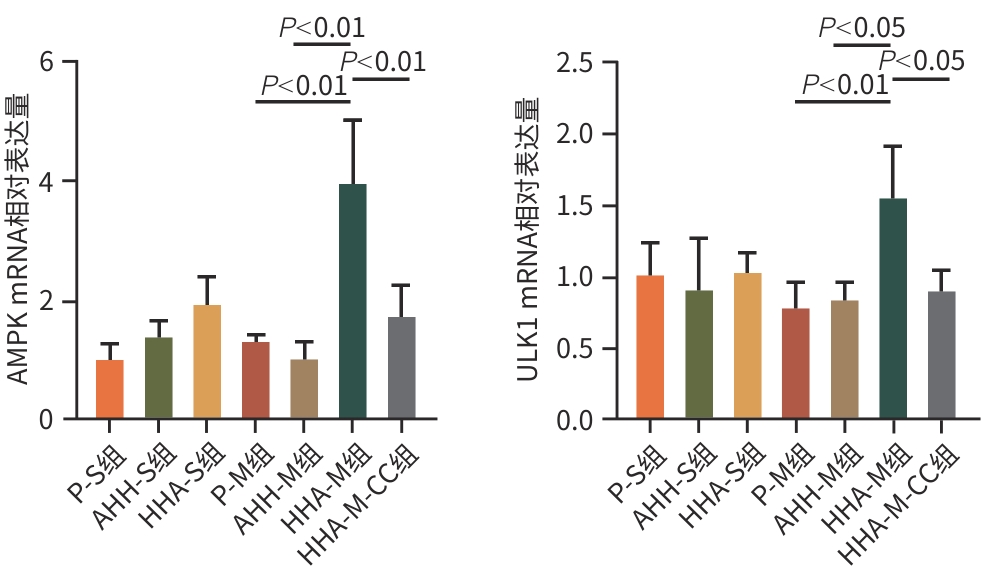
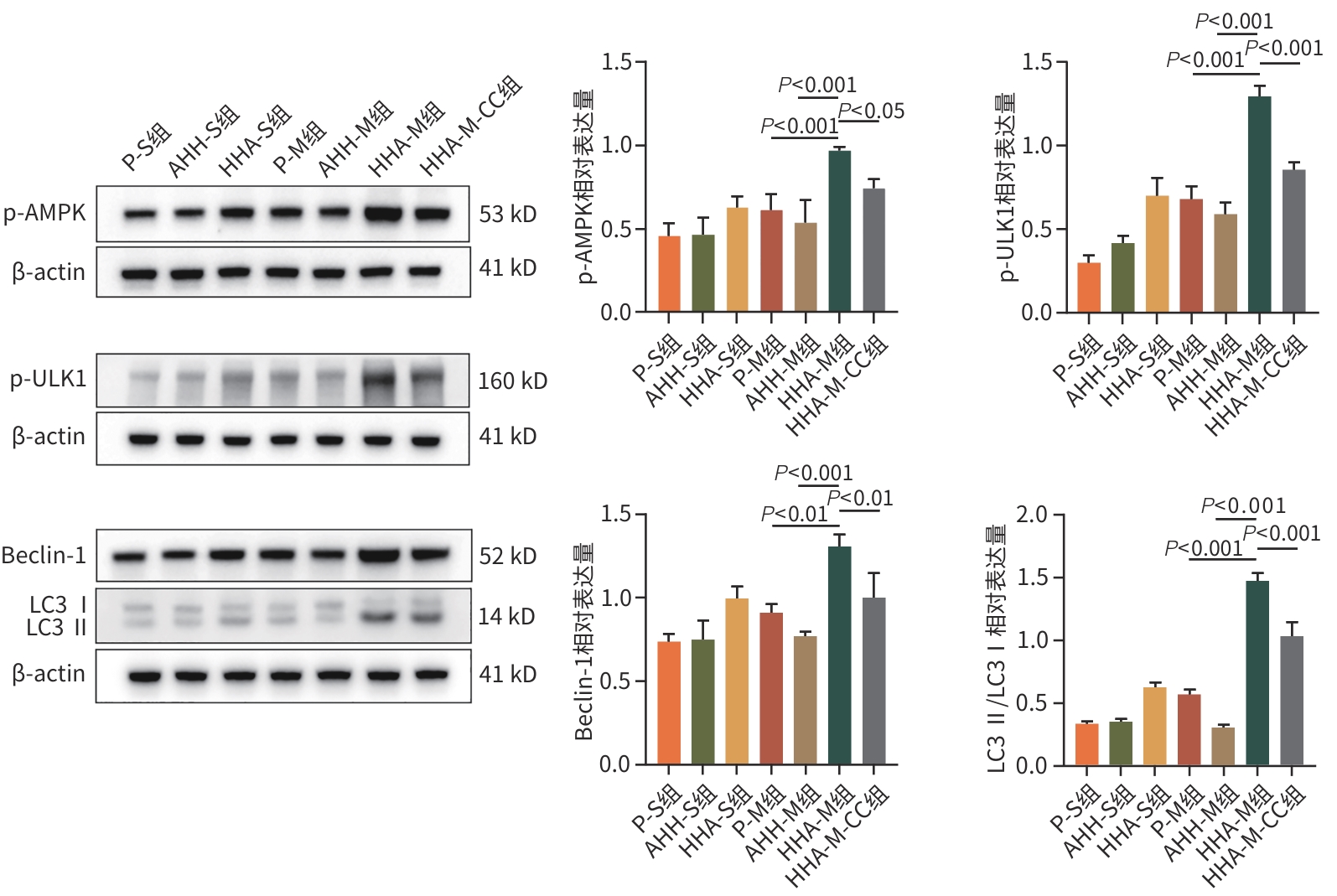
  Objective  To investigate the protective effect of high-altitude hypoxia acclimatization against hepatic ischemia-reperfusion injury (HIRI) in rats, as well as the mechanism of action of high-altitude hypoxia acclimatization in activating autophagy.  Methods  A total of 56 male Sprague-Dawley rats were randomly divided into plain sham-operation group (P-S group), plain model group (P-M group), acute high-altitude hypoxia sham-operation group (AHH-S group), acute high-altitude hypoxia model group (AHH-M group), high-altitude hypoxia acclimatization sham-operation group (HHA-S group), high-altitude hypoxia acclimatization model group (HHA-M group), and high-altitude hypoxia acclimatization model group with the adenosine monophosphate-activated protein kinase (AMPK) inhibitor compound C (HHA-M-CC group), with 8 rats in each group. The rats in the acute high-altitude hypoxia groups and the high-altitude hypoxia acclimatization groups were placed in a low-pressure oxygen chamber at an altitude of 5 000 meters for 1 week and 12 weeks, respectively; the rats in the sham-operation groups were given laparotomy to expose the portal vein without vascular clamping; the rats in the HHA-M-CC group were given abdominal injection of 20 mg/kg CC at 1 hour before surgery, while those in the other groups were given injection of an equal volume of normal saline. An automatic biochemical analyzer was used to measure the levels of liver function parameters including alanine aminotransferase (ALT), aspartate aminotransferase (AST), and total bilirubin (TBil); HE staining was used to observe liver histopathological changes; transmission electron microscopy was used to observe the formation of autophagosomes in liver tissue; RT-qPCR was used to measure the mRNA expression levels of AMPK and Unc-51 like autophagy activating kinase 1 (ULK1) in liver tissue; Western Blot was used to measure the protein expression levels of phosphorylated AMPK (p-AMPK), phosphorylated ULK1 (p-ULK1), Beclin-1, and microtubule-associated protein 1 light chain 3 Ⅱ (LC3Ⅱ). An analysis of variance was used for comparison of continuous data between multiple groups, and the least significant difference t-test was sued for comparison between two groups.  Results  Compared with the AHH-M and HHA-M-CC groups, the HHA-M group had significantly reductions in the levels of ALT, AST, and TBil (all P<0.05), alleviation of liver histopathological injury, a significant reduction in Suzuki score (all P<0.05), a reduction in the degree of abnormal morphological structure of hepatocytes under transmission electron microscopy, and significant increases in the number of autophagosomes, the mRNA expression levels of AMPK and ULK1 (all P<0.05), and the protein expression levels of p-AMPK, p-ULK1, Beclin-1, and LC3Ⅱ (all P<0.05).  Conclusion  High-altitude hypoxia acclimatization can alleviate HIRI in SD rats by activating the AMPK/ULK1 signaling pathway and enhancing autophagy in hepatocytes.
Biliary Disease
Effectiveness and safety of apatinib mesylate combined with gemcitabine+cisplatin+camrelizumab in patients with advanced gallbladder cancer
Yongnian REN, Changqian TANG, Xingbo WEI, Xianzhou ZHANG, Dongxiao LI, Deyu LI
2025, 41(7): 1401-1406. DOI: 10.12449/JCH250726
Abstract(344) HTML (172) PDF (2181KB)(40)
Abstract:
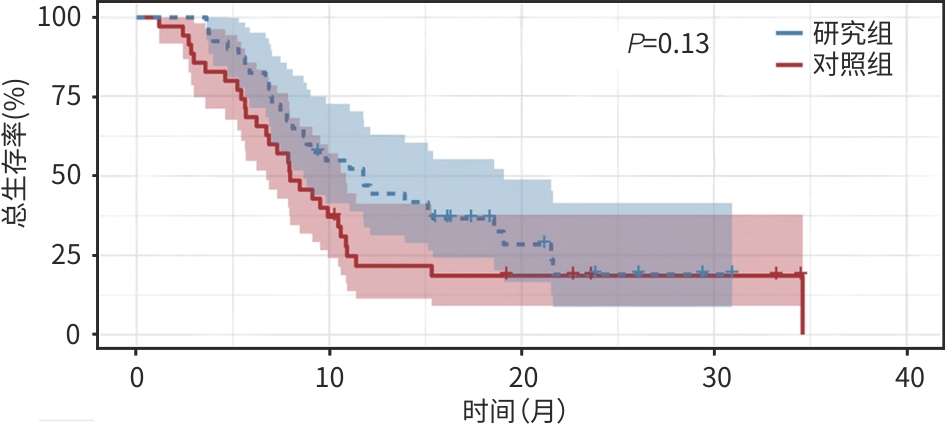
  Objective  To investigate the clinical effectiveness and safety of apatinib mesylate combined with gemcitabine+cisplatin (GC) and camrelizumab in the treatment of advanced gallbladder cancer, and to provide evidence for the clinical treatment of patients with advanced gallbladder cancer.  Methods  A total of 75 patients with advanced gallbladder cancer admitted to Henan Provincial People’s Hospital and The Affiliated Cancer Hospital of Zhengzhou University from January 2022 to December 2023 were retrospectively included. According to treatment plans, they were divided into study group (apatinib mesylate combined with GC+camrelizumab) and control group (GC+camrelizumab). The 1-year survival rate, objective response rate (ORR), disease control rate (DCR), progression-free survival (PFS), overall survival (OS), and adverse reactions were compared between the two groups. Inter-group comparisons were performed using the chi-square test/Fisher’s exact test, the t-test, and the Mann-Whitney U test for categorical data, continuous data in normal distribution, and continuous data in non-normal distribution, respectively. The Kaplan-Meier survival curves were generated and compared using the log-rank test.  Results  The ORR and DCR of the study group were 35.0% and 80.0%, respectively, which were not significantly different from those of the control group (bothP>0.05). The 1-year survival rate of the study group differed significantly from that of the control group (45.0% vs 20.0%,P<0.05). The median PFS was 7.73 (95% confidence interval [CI]:4.39‍ ‍— ‍‍11.01) months in the study group and 4.17 (95%CI:3.48‍ ‍— ‍‍4.85) months in the control group, and the difference was statistically significant (P<0.01). The median OS was 11.77 (95%CI:8.07‍ ‍— ‍‍15.47) months in the study group and 7.97 (95%CI:5.84‍ ‍— ‍‍10.09) months in the control group, which were not statistically significant (P>0.05). Across all grades of adverse reactions, the study group showed significantly higher incidence rates of hand-foot syndrome (62.5% vs 34.3%,χ2=5.945,P<0.05) and elevated blood pressure (42.5% vs 20.0%,χ2=4.343,P<0.05) than the control group. There were no significant differences in the incidence rates of adverse reactions of grade Ⅲ or above between the two groups (all P>0.05).  Conclusion  Apatinib mesylate combined with GC+camrelizumab is superior to GC+camrelizumab in prolonging the PFS but not in terms of the OS, with controllable toxic side effects, which is a safe and effective treatment regimen.
Association between triglyceride-glucose index and gallstones in women: A cross-sectional study
Shuai ZHANG, Jun LIU, Xijing SHI, Yang WU, Hao LIANG, Hao DONG, Dailong LU, Ying ZHU
2025, 41(7): 1407-1413. DOI: 10.12449/JCH250727
Abstract(434) HTML (187) PDF (1413KB)(43)
Abstract:
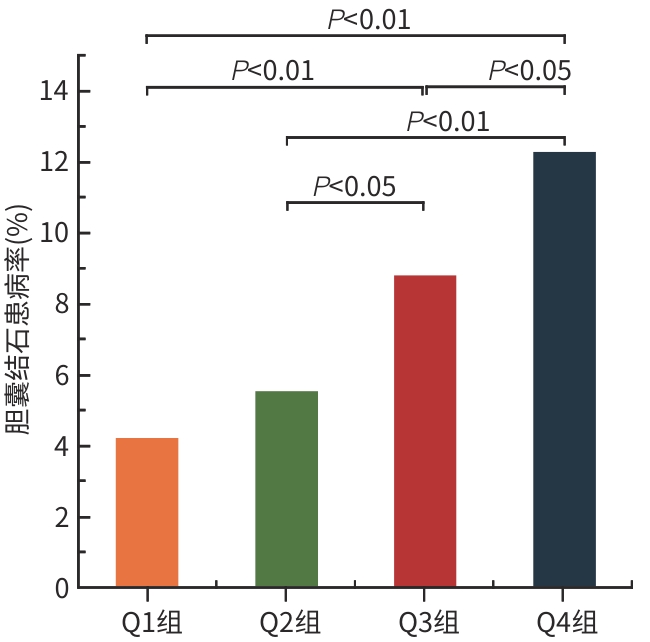
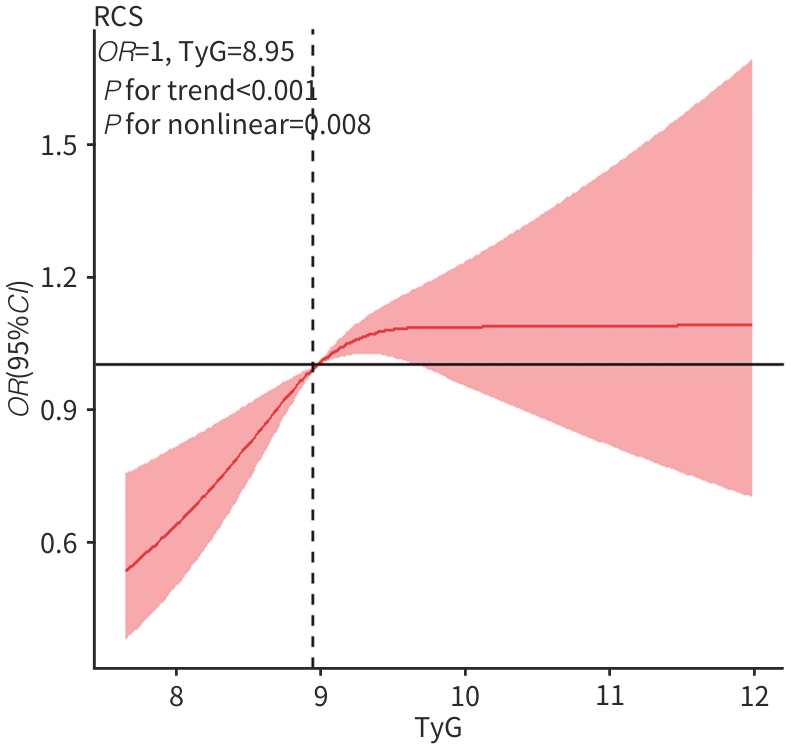
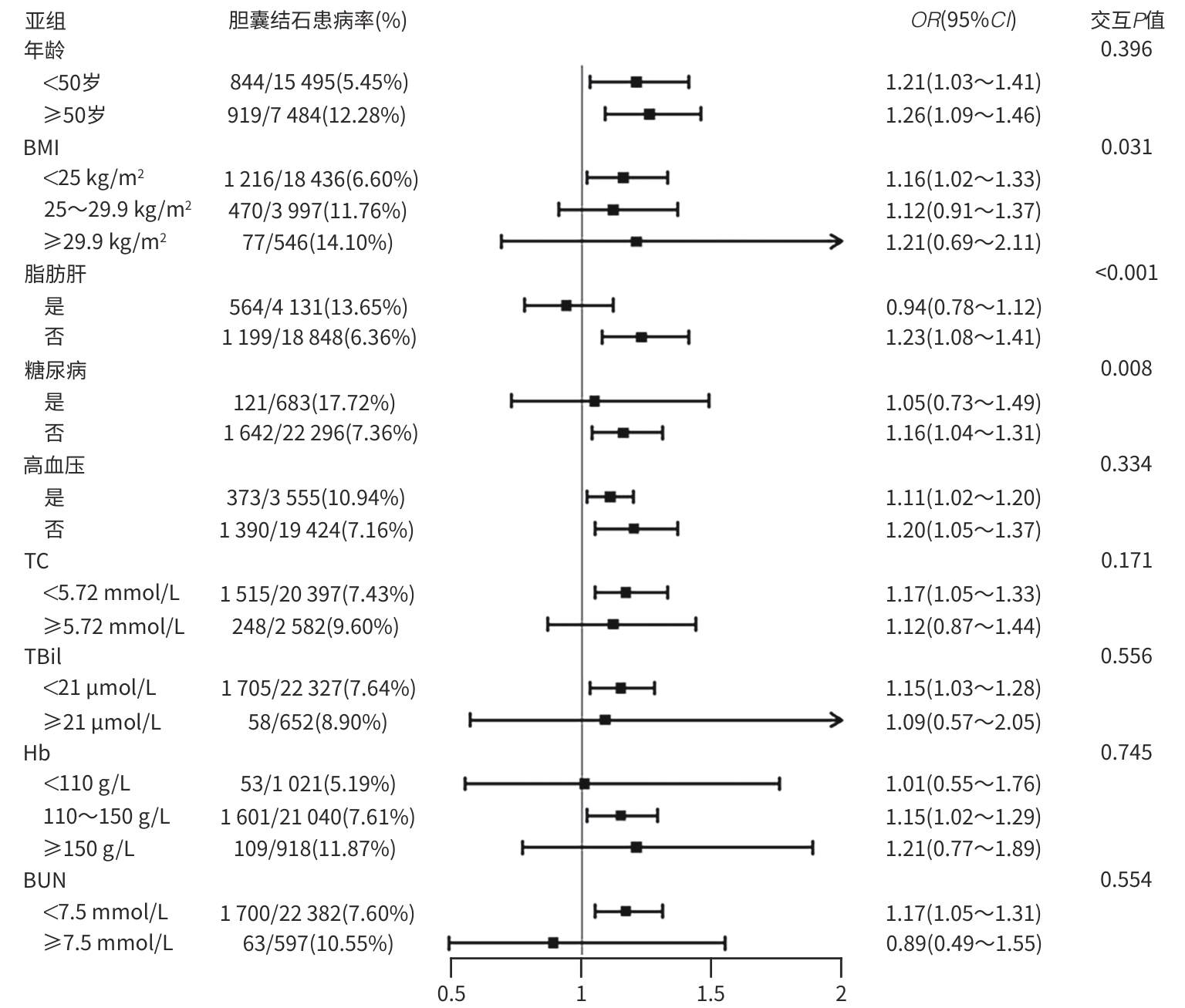
  Objective  To investigate the association between triglyceride-glucose (TyG) index and the prevalence of gallstones in women, and to assess whether it can be used as a convenient indicator for the epidemiological survey of gallstones in women.  Methods  A total of 22 979 adult women who underwent physical examination in Subei People’s Hospital of Jiangsu from January 2021 to June 2023 were enrolled, and according to the results of abdominal color Doppler ultrasound, they were divided into gallstone group with 1 763 women and non-gallstone group with 21 216 women. The independent samples t-test was used for comparison of normally distributed continuous data between groups, and the Mann-Whitney U test was used for comparison of non-normally distributed continuous data between groups; the chi-square test was used for comparison of categorical data between groups. The multivariate logistic regression analysis, the restricted cubic spline analysis, the subgroup analysis, and mediating effect were used to investigate the association between TyG index and the risk of gallstones in women.  Results  The overall prevalence rate of gallstones was 7.7% in women. Compared with the non-gallstone group, the gallstone group had significantly higher age, BMI, FPG, TG, TyG index, TC, Hb, BUN, UA, SCr, TC, and LDL-C (all P<0.05), and the women with diabetes, fatty liver, hypertension, and hyperuricemia were more likely to have gallstones (all P<0.05). The multivariate logistic regression analysis showed that based on the quartiles of TyG index, the risk of gallstones in the Q3 (8.97‍ ‍—‍ ‍9.38) group was 1.38 (95% confidence interval [CI]: 1.15‍ ‍—‍ ‍1.62, P<0.001) times that in the Q1 (<8.63) group, and the risk of gallstones in the Q4 (≥9.38) group was 1.39 (95%CI: 1.16‍ ‍—‍ ‍1.68, P<0.001) times that in the Q1 group. After adjustment for all covariates, TyG index, as a continuous variable, showed an independent positive correlation with the risk of gallstones (odds ratio [OR]=1.24, 95%CI: 1.11‍ ‍—‍ ‍1.39, P=0.004). The restricted cubic spline curve revealed a significant nonlinear association between TyG index and the risk of gallstones (P for non linear=0.008), and the threshold analysis showed statistical significance in the effect of TyG index below the inflection point of 8.95 (OR=1.34, 95%CI: 1.15‍ ‍—‍ ‍1.97, P=0.042). The subgroup analysis showed that TyG index was significantly positively correlated with gallstones in women with a BMI of<25 kg/m², an age of<50 years, an age of ≥50 years, the absence of diabetes or fatty liver, total cholesterol<5.72 mmol/L, total bilirubin<21 μmol/L, a hemoglobin level of 110‍ ‍—‍ ‍150 g/L, and blood urea nitrogen<7.5 μmol/L (all P<0.05). A mediating analysis was performed for the subgroups with a statistically significant P value for interaction, and the results showed that BMI accounted for 23.0% of the mediating effect in the influence of TyG index on gallstones, and fatty liver and diabetes accounted for 15.7% and 21.0%, respectively.  Conclusion  In women, a higher TyG index indicates a higher risk of gallstones. Lowering TyG index may reduce the risk of gallstones by improving insulin sensitivity.
Review
The role of insulin clearance in metabolic associated fatty liver disease
Xiaojing ZHU, Jun SHI, Hailin TANG, Liang ZHOU
2025, 41(7): 1414-1418. DOI: 10.12449/JCH250728
Abstract(372) HTML (152) PDF (842KB)(45)
Abstract:
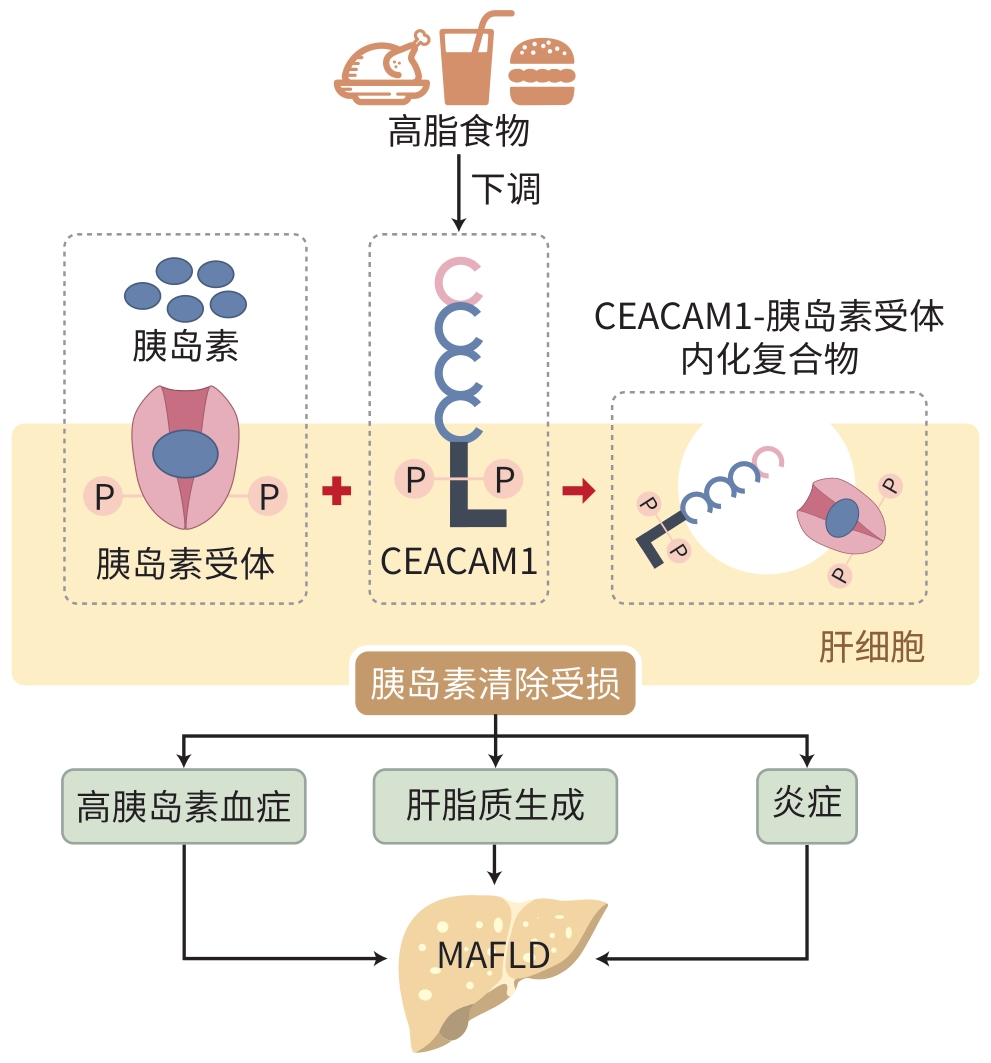
With the rapid changes in lifestyle, the prevalence of nonalcoholic fatty liver disease (NAFLD) has become increasingly severe in China, and it has become a major public health concern. With a deeper understanding of this disease, the latest consensus statement has changed the name from NAFLD to MAFLD, and this updated definition transitions from an exclusion-based approach to an inclusive framework, which not only improves clinical diagnostic accuracy, but also highlights the key role of metabolic disorders in the progression of NAFLD. In recent years, the in-depth studies on the mechanism of carcinoembryonic antigen-associated cell adhesion molecule 1-mediated insulin clearance have highlighted the importance of insulin clearance in the development and progression of NAFLD. This article reviews the research advances in the role of insulin clearance in MAFLD.
Mechanism of action and clinical significance of lipoprotein X in cholestatic liver disease
Yang FENG, Yuetian LI, Simiao LI, Yingmei TANG
2025, 41(7): 1419-1425. DOI: 10.12449/JCH250729
Abstract(426) HTML (229) PDF (1110KB)(40)
Abstract:
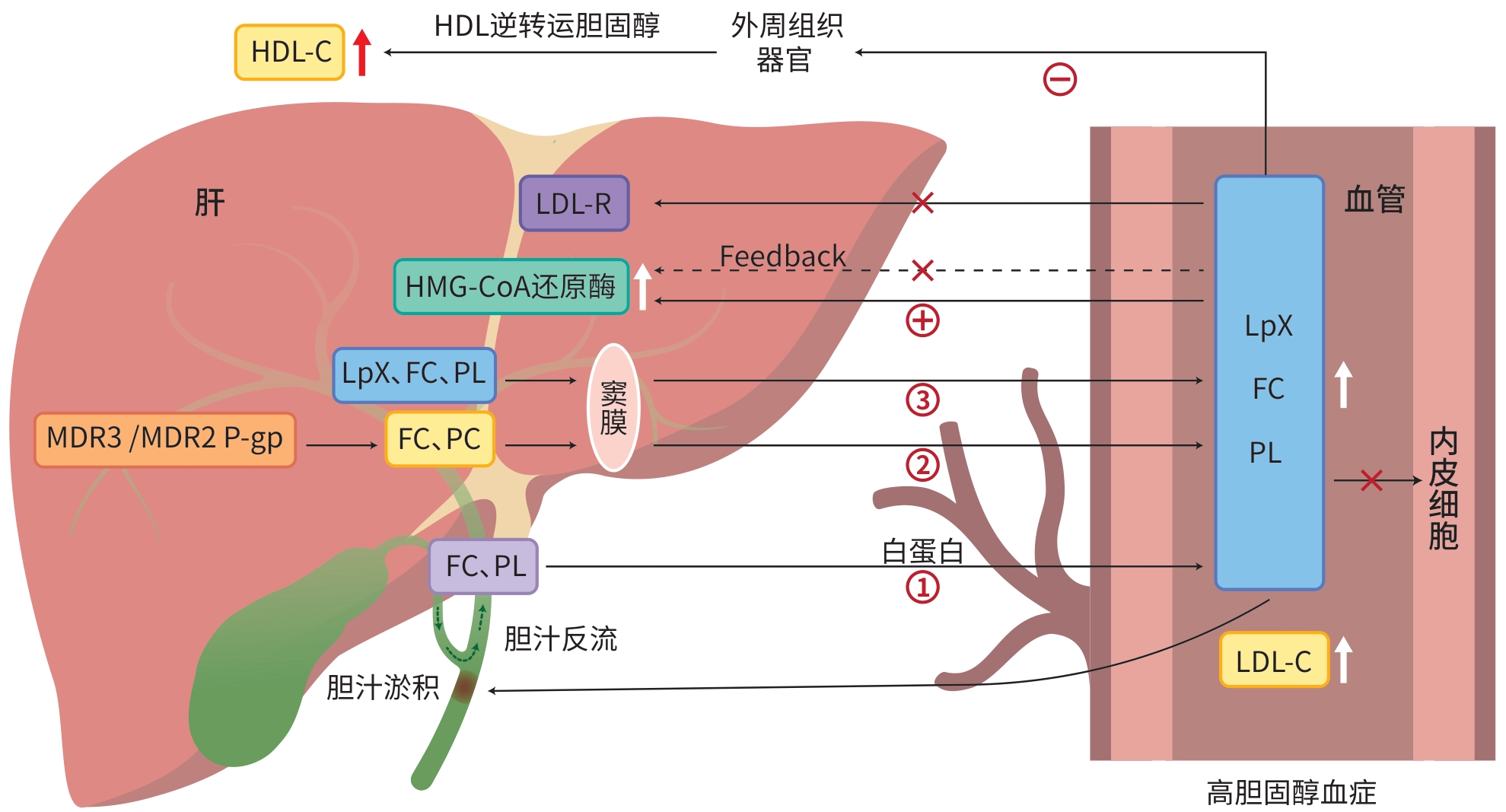
Lipoprotein X (LpX) is an atypical lipoprotein that abnormally accumulates in the plasma of patients with cholestatic liver disease, and it is also a major pathogenic factor for hypercholesterolemia. The formation of LpX is closely associated with the abnormal metabolism of free cholesterol, phospholipids, and other lipid components in bile. LpX cannot be cleared via the low-density lipoprotein receptor pathway and is mainly metabolized by the reticuloendothelial system. The abnormal accumulation of LpX is closely associated with various complications of cholestatic liver disease, including xanthoma and neuropathy. Although there is no significant correlation between the high level of LpX and the risk of atherosclerosis, the role of LpX in cholesterol metabolism disorders cannot be neglected. Due to the similarities in density and characteristics between LpX and low-density lipoprotein cholesterol, clinical testing may result in misdiagnosis and related treatment risks. Current studies mainly focus on the mechanisms of LpX formation, the clinical significance of LpX, related detection methods, and potential therapeutic strategies. Plasma exchange is considered the preferred treatment in the state of high LpX, while traditional lipid-lowering drugs have a limited effect on LpX. This article explores the formation and clearance mechanisms of LpX in cholestatic liver disease, along with its impact of cholestatic liver disease and related detection methods, in order to improve the understanding of the pathophysiology and clinical significance of LpX, provide new strategies for the management of cholestatic liver disease and its complications, and finally improve the prognosis of patients.
Research advances in prognostic models for primary biliary cholangitis
Lingling WAN, Lina LIANG, Shuming LU
2025, 41(7): 1426-1430. DOI: 10.12449/JCH250730
Abstract(434) HTML (162) PDF (595KB)(38)
Abstract:
Primary biliary cholangitis (PBC) is an autoimmune liver disease often observed in middle-aged women. The early clinical symptoms of PBC are not obvious, and it can progress to liver cirrhosis and lead to various complications. Ursodeoxycholic acid (UDCA) is the most effective drug for the treatment of PBC, but about 40% of the patients are still insensitive to UDCA, which can lead to slow progression of the disease. Accurate assessment of disease conditions and patient prognosis can help to optimize treatment regimens. This article reviews the research advances in prognostic models for PBC, in order to provide a reference for clinical treatment.
Research advances in circadian clock genes in the development, progression, and treatment of liver cancer
Yanan KONG, Jiangkai LIU
2025, 41(7): 1431-1436. DOI: 10.12449/JCH250731
Abstract(379) HTML (128) PDF (658KB)(33)
Abstract:
Primary liver cancer is one of the most common malignant tumors of the digestive system, and its morbidity and mortality rates are increasing year by year. Recent studies have shown that circadian clock gene disorders are closely associated with the development and progression of liver cancer, which provides a new perspective for the prevention, diagnosis, treatment, and prognosis of liver cancer. In addition, targeting circadian clock genes also shows a certain clinical application potential in the treatment of cancer. This article reviews the latest research advances in the role of circadian clock genes in the pathogenesis, prevention, treatment, and prognosis of liver cancer, in order to provide new ideas for the clinical diagnosis and treatment of liver cancer.
Risk factors and mechanisms of liver injury in patients with acquired immunodeficiency syndrome
Kexin SUN, Qiang LI
2025, 41(7): 1437-1442. DOI: 10.12449/JCH250732
Abstract(361) HTML (159) PDF (681KB)(20)
Abstract:
With the advent of the era of antiretroviral therapy, the lifespan of individuals living with human immunodeficiency virus (HIV) infection has been extended significantly, and there is a significant increase in the incidence rate of non-acquired immunodeficiency syndrome (AIDS)-related diseases, among which liver disease is one of the main causes of non-AIDS-related deaths. There is still a relatively high incidence rate of liver injury in patients with HIV infection, and there are various causes of liver injury. This article reviews the possible risk factors for liver injury and related mechanisms from the aspects of HIV infection, co-infection with hepatitis B virus/hepatitis C virus and other pathogens, drugs, metabolic dysfunction, and intestinal bacterial translocation, in order to provide a reference for the management of individuals with HIV infection.
Association between bile acid/short-chain fatty acid metabolic disorders and hepatic encephalopathy based on the traditional Chinese medicine theory of Yin and Yang
Luyi YAN, Weiyu CHEN, Han WANG, Wenqian FENG, Yang DU, Xueru TIAN, Yang HONG, Dewen MAO, Lei FU, Chun YAO
2025, 41(7): 1443-1449. DOI: 10.12449/JCH250733
Abstract(403) HTML (185) PDF (1212KB)(20)
Abstract:
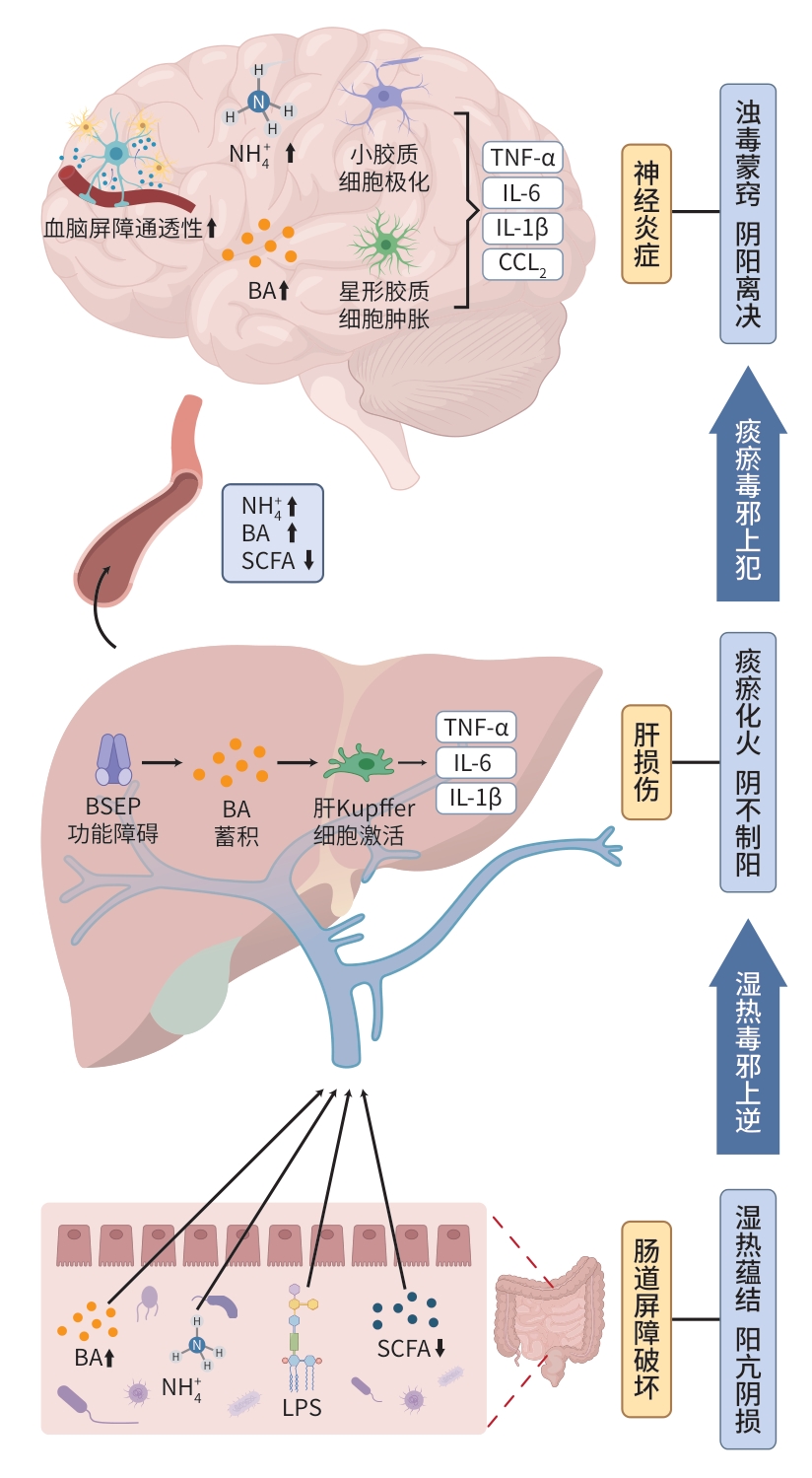
Hepatic encephalopathy is a neuropsychiatric syndrome secondary to severe liver disease. Recent studies have shown that the development of hepatic encephalopathy is closely associated with bile acid/short-chain fatty acid metabolic disorder. As the core theory of traditional Chinese medicine, the theory of Yin and Yang provides a unique perspective for analyzing the association between bile acids/short-chain fatty acids and hepatic encephalopathy. Bile acids function like Yang, governing the free flow of Qi and assisting in metabolic processes, while short-chain fatty acids belong to Yin, maintaining internal stability and conservation, preserving the intestinal barrier, and combating inflammation and toxins. Bile acids and short-chain fatty acids constrain each other and are interdependent to regulate the dynamic equilibrium of the gut-liver-brain axis. On this basis, by regulating the metabolic imbalance of bile acids and short-chain fatty acids, it is expected to restore the dynamic balance of Yin and Yang in patients with hepatic encephalopathy under the synergistic intervention of traditional Chinese medicine and Western medicine.
Effect of Siwu Decoction in the prevention and treatment of liver diseases and its mechanism
Yajie GUAN, Lihui ZHANG, Sutong LIU, Qizhen ZHANG, Wenxia ZHAO, Minghao LIU
2025, 41(7): 1450-1455. DOI: 10.12449/JCH250734
Abstract(448) HTML (182) PDF (715KB)(41)
Abstract:
Siwu Decoction is a classic formula for tonifying the blood and activating blood circulation and is characterized by its ability to tonify the blood without leaving stasis and promote blood circulation without harming the vital energy of the body. It is widely used in clinical practice for the treatment of various conditions related to blood deficiency and poor blood circulation, such as anemia, menstrual disorders, and dysmenorrhea. The liver is responsible for governing the free flow of Qi and storing blood, and abnormalities in liver function are associated with various acute and chronic liver injuries. Siwu Decoction can restore liver homeostasis by tonifying the blood, activating blood circulation, nourishing the blood, and soothing the liver. Based on its unique prescription formulation and multiple pharmacological mechanisms, Siwu Decoction has become an important prescription for enhancing liver microcirculation, facilitating hepatocyte repair and regeneration, and alleviating liver injury. This article reviews the effect and mechanism of Siwu Decoction in the prevention and treatment of various liver injuries (including alcoholic liver disease, nonalcoholic fatty liver disease, nonalcoholic fatty liver disease, liver fibrosis, and liver cirrhosis) and discusses existing problems and future research directions.
The roles of eosinophils in different liver diseases
Guojing XING, Yuan DENG, Lifei WANG, Longlong LUO, Zhen WANG, Zhaojie ZHANG, Meixia YANG, Ting ZHANG, Xiaohui YU, Jiucong ZHANG
2025, 41(7): 1456-1460. DOI: 10.12449/JCH250735
Abstract(380) HTML (156) PDF (864KB)(39)
Abstract:
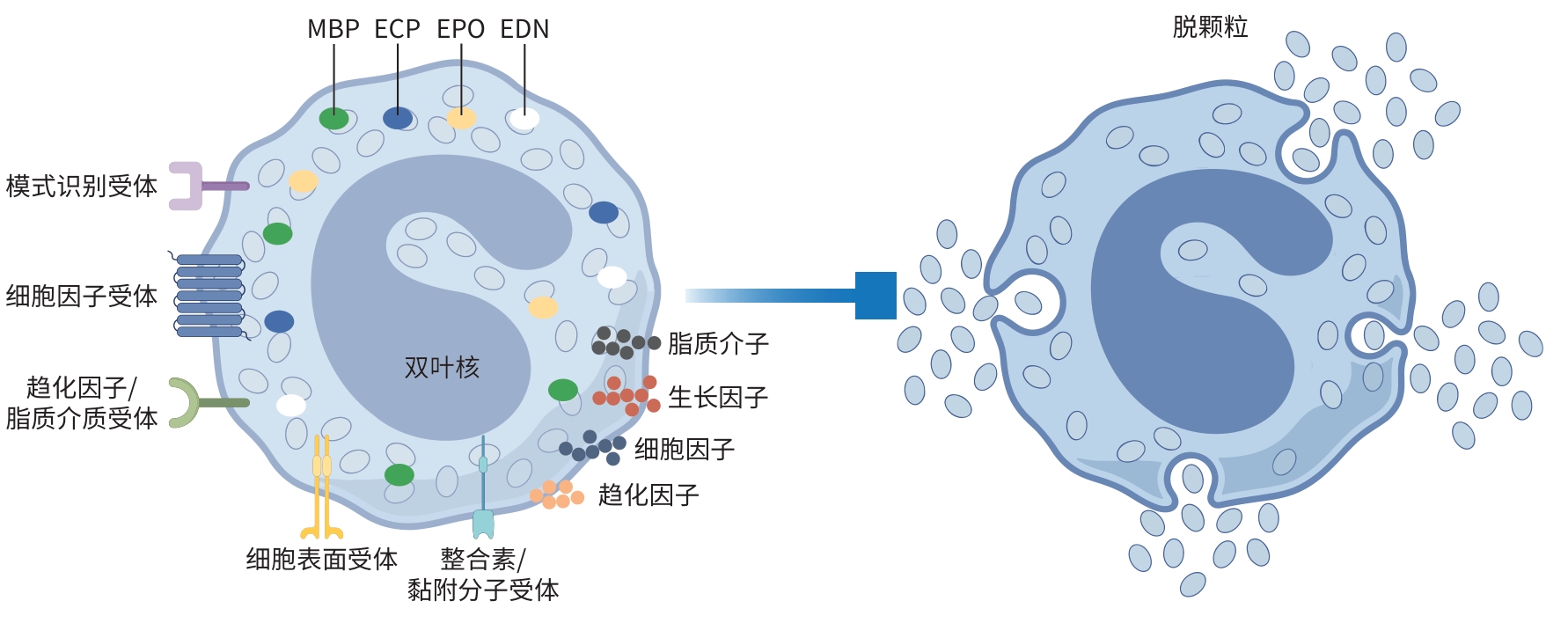
Liver diseases have a high prevalence rate worldwide with relatively poor long-term clinical outcomes and have become one of the leading causes of disease burden and death around the world, which poses significant challenges to public health. Eosinophils (Eos) are a class of highly conserved multifunctional immune cells that play critical effector roles in allergic diseases. In recent years, an increasing amount of evidence has shown that Eos plays an important role in the pathogenesis of liver diseases, exerting a protective or harmful effect in different liver diseases, which has become a research hotspot in this field. This article elaborates on the role and potential mechanism of action of Eos in liver diseases, in order to provide a new perspective for in-depth research on the pathogenesis of liver diseases and lay the foundation for developing therapeutic strategies targeting Eos.
Risk factors for diabetes after liver transplantation and related preventive measures
Hao WANG, Yongqiang FAN, Feng LIU, Zhiyong SHI, Rui ZHANG, Jun XU
2025, 41(7): 1461-1468. DOI: 10.12449/JCH250736
Abstract(387) HTML (188) PDF (745KB)(23)
Abstract:
In recent years, as the survival time of liver transplant recipients continues to increase, serious complications after transplantation, including diabetes, which affects the long-term survival of patients, have attracted more and more attention. Diabetes after liver transplantation can increase the risk of infection and cardiovascular disease, which in turn affects the survival rate of grafts and patients, and therefore, identification and intervention for high-risk populations are of great importance for improving the prognosis of patients. This article reviews the risk factors for diabetes after liver transplantation, in order to deepen the understanding of diabetes after liver transplantation and provide a theoretical basis for disease prevention and treatment.
Inducing ferroptosis:A novel strategy to reverse gemcitabine resistance in pancreatic cancer
Lin XIAO, Kailian ZHENG, Jiaxin ZHANG, Leshui ZHANG, Gang JIN
2025, 41(7): 1469-1475. DOI: 10.12449/JCH250737
Abstract(460) HTML (167) PDF (1280KB)(68)
Abstract:

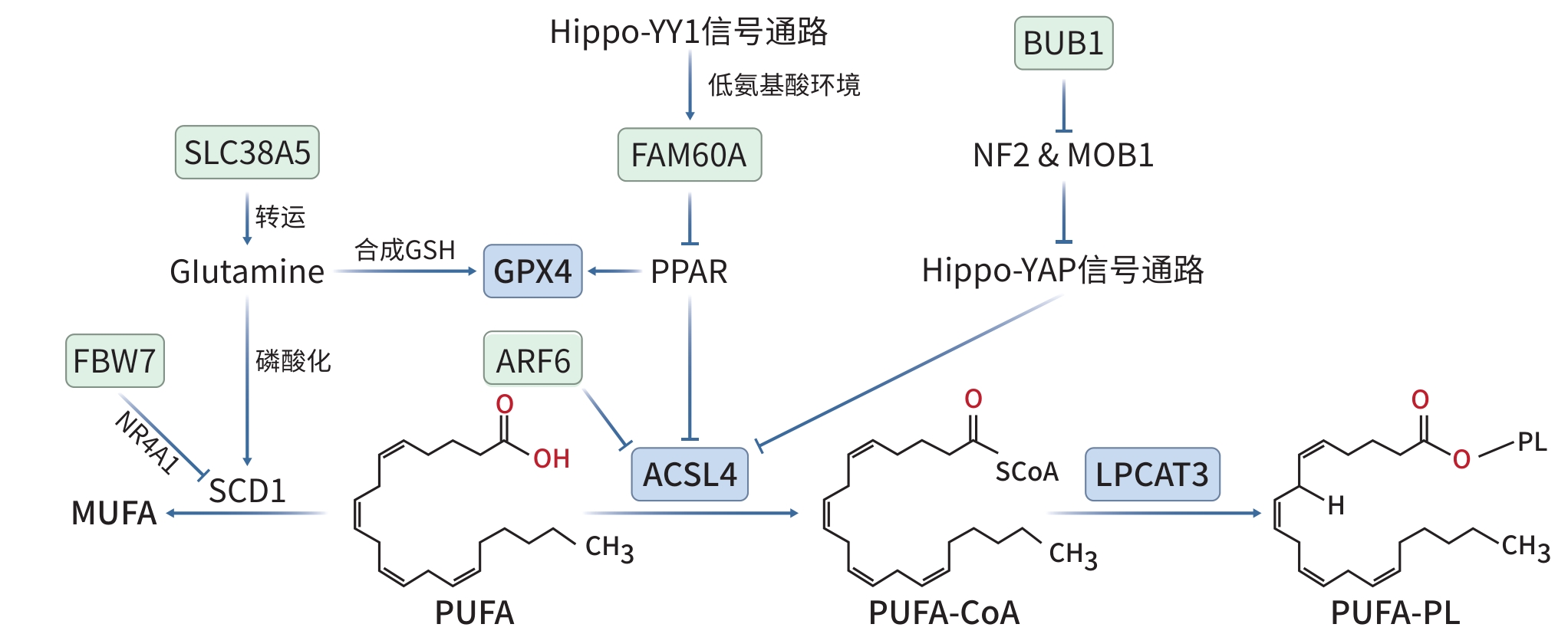
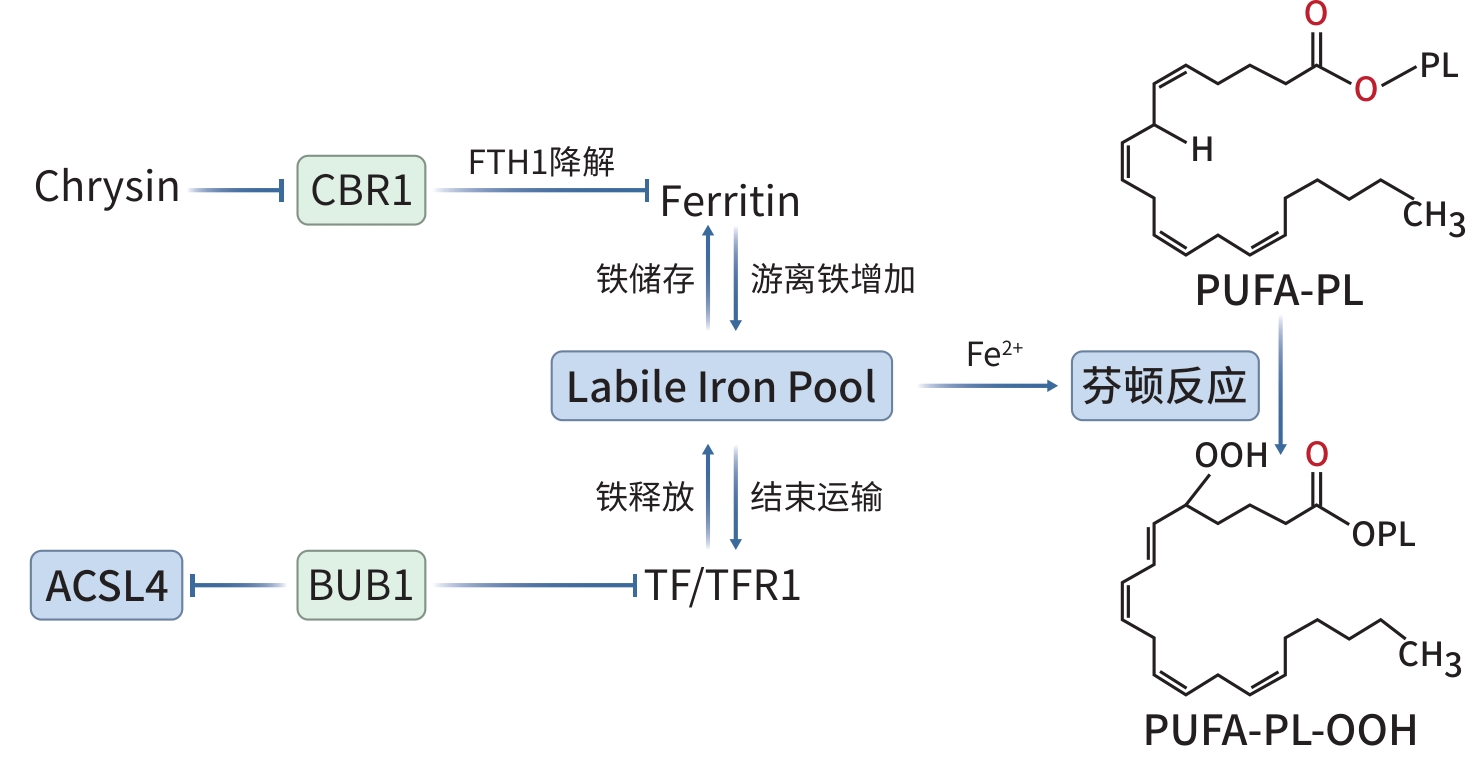
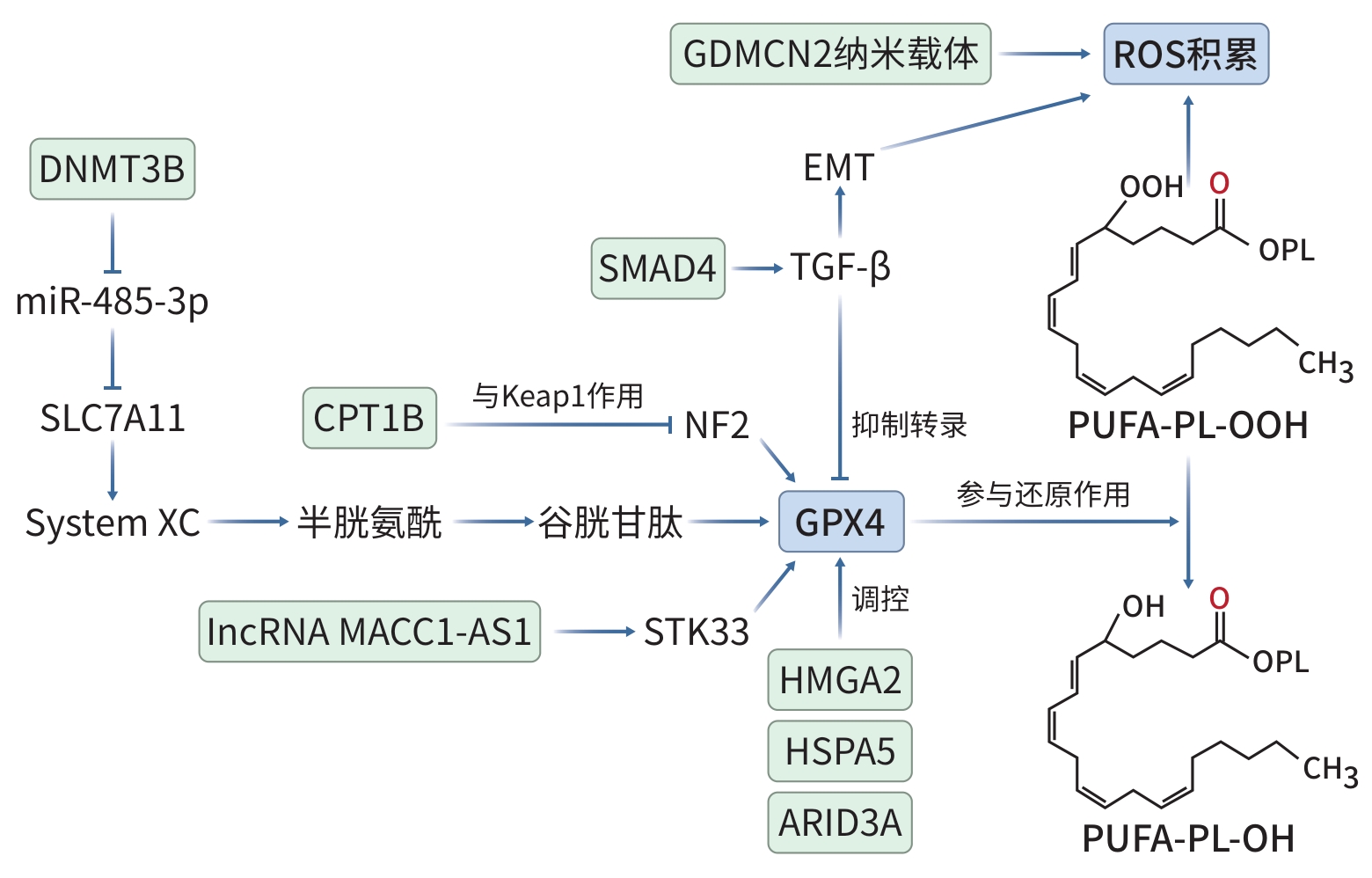
Pancreatic cancer is a highly malignant tumor of the digestive system, with a significantly lower five-year survival rate than other malignancies. Gemcitabine (GEM) is the primary chemotherapeutic agent for pancreatic cancer, but its efficacy is often limited by chemotherapy resistance of tumor. This article elaborates on the intrinsic cellular mechanism and non-cell-autonomous mechanism of GEM resistance in pancreatic cancer and summarizes how to enhance the sensitivity of pancreatic cancer cells to GEM by inducing ferroptosis through the regulation of polyunsaturated fatty acid peroxidation, iron metabolism control, and antioxidant systems, in order to investigate the association between ferroptosis and GEM resistance mechanisms and provide new directions for the clinical treatment of pancreatic cancer.

Pathogenesis and clinical management of new-onset diabetes mellitus after distal pancreatectomy
Waili ALAPATI, Wei HAN
2025, 41(7): 1476-1480. DOI: 10.12449/JCH250738
Abstract(392) HTML (165) PDF (1468KB)(23)
Abstract:
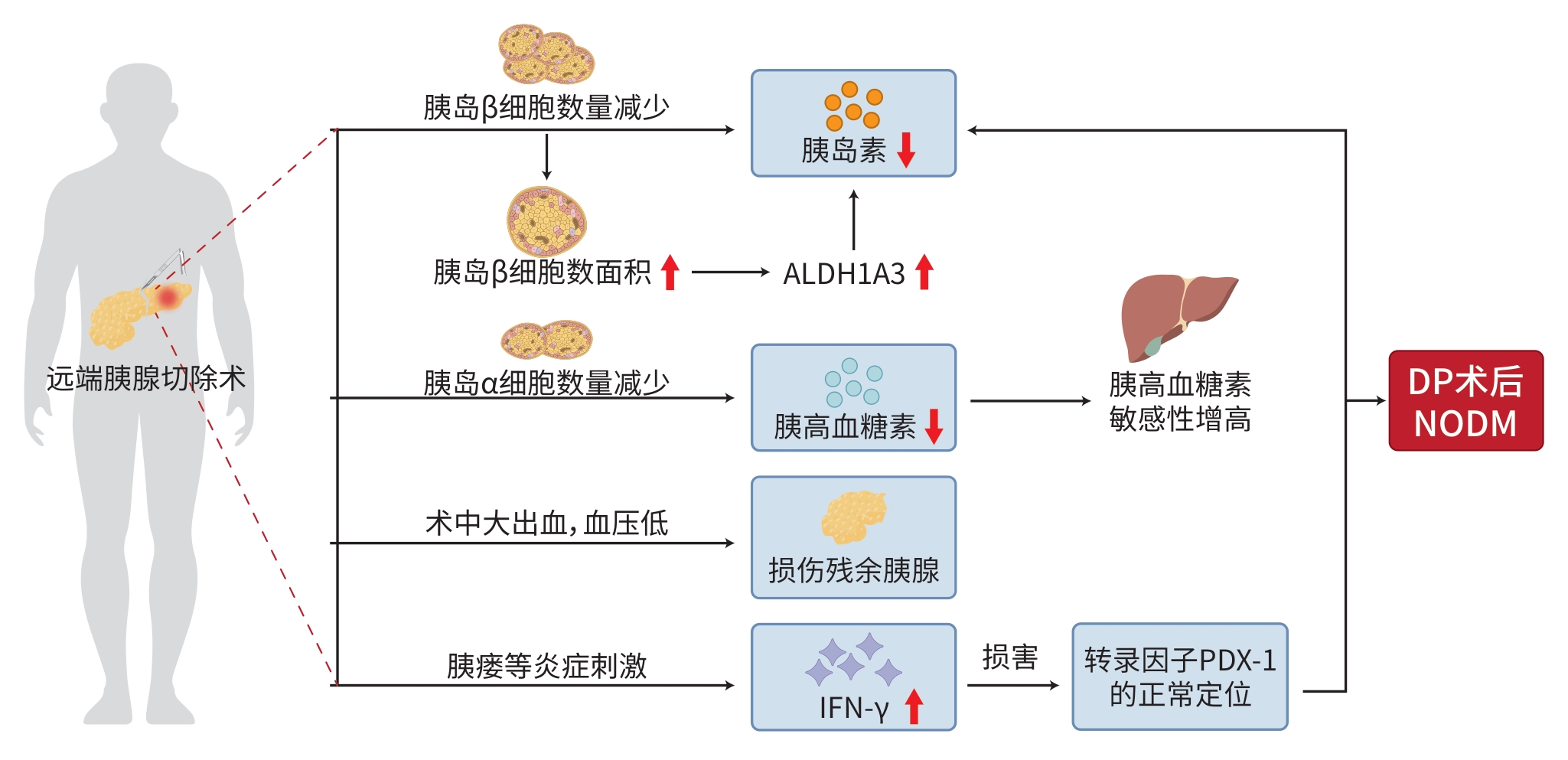
Pancreatogenic diabetes is a special form of diabetes secondary to pancreatic diseases. Pancreatectomy is one of the main causes of pancreatogenic diabetes, with the highest incidence rate observed after distal pancreatectomy. Due to the high misdiagnosis rate of pancreatogenic diabetes and the increased risk of death and readmission in patients with pancreatogenic diabetes compared with those with type 2 diabetes, early accurate identification and diagnosis of pancreatogenic diabetes are of great importance for improving prognosis. This article systematically reviews the research advances in new-onset diabetes after distal pancreatectomy in terms of epidemiological features, risk factors, pathophysiological mechanism, diagnostic criteria, and treatment strategies, in order to provide a reference for clinical diagnosis, treatment, and scientific research.
Introduction of High - quality Articles in Foreign Journals
Hepatology Research|Associations of serum carotenoids with cardiovascular disease mortality among patients with metabolic dysfunction-associated steatotic liver disease
2025, 41(7): 1265-1265. DOI: 10.12449/JCH2507.gwqkjpwzjj1
Abstract(225) HTML (113) PDF (846KB)(33)
Abstract:
Hepatology International|Performance of the AASLD, EASL, and APASL Clinical Practice Guidelines in “grey zone” stages of Chinese patients with chronic hepatitis B
2025, 41(7): 1278-1278. DOI: 10.12449/JCH2507.gwqkjpwzjj2
Abstract(215) HTML (80) PDF (1218KB)(45)
Abstract:
Acknowledgements
Current reviewers
2025, 41(7): 1255-1255. DOI: 10.12449/JCH2507.zhixie
Abstract(157) HTML (80) PDF (820KB)(7)
Abstract: